
Why I started Chicken Recipes Smoke
I was twenty-three, standing in my dad’s backyard with a brisket wrapped in butcher paper and a smoker that kept spitting out embers like it was mad at me. We’d been at it for twelve hours, and the meat was still rock-hard inside.
My dad, who had done this a hundred times, just smiled and said, *‘Patience, mija. The smoke’s got to talk to the meat first.’* That’s when I realised no one was teaching people *how* to listen for that conversation.
This site is for anyone who’s ever opened a recipe and thought, *‘This can’t be right.’* Maybe the instructions skip the part where the wood chips burn too fast, or the photo makes the dish look effortless while the text warns you’ll need a second smoker.
Here, you’ll find recipes that actually work—tested, adjusted, and written for the kitchen you’ve got, not the one in a magazine.
Meet the founder

My dad’s backyard smoker was a rusted green monster with a broken gauge and a habit of flooding the neighborhood with smoke when the wind shifted. He built it himself from scrap metal and a tractor part he ‘borrowed’ from a neighbor.
The first time I helped him, I burned the wood chips so bad the fire department called it in. He just laughed and handed me the hose. That’s when I learned: smoke isn’t just heat. It’s a language.
The smoker’s still out there, though the gauge’s been replaced (twice), and the neighbor who owned that tractor part has since forgiven us. My dad says it’s the only thing he ever built that didn’t fall apart.
I keep it around because it’s proof that the best recipes aren’t about perfection—they’re about what happens when things go wrong.
The failure that changed everything was a batch of smoked wings. I followed a recipe verbatim, used the exact same wood, even let them rest the same amount of time. But they tasted flat.
My dad took one bite, set it down, and said, *‘You didn’t let the smoke hang.’* Turns out, the recipe had me pulling them off the smoker too soon.
Now, I wait until the meat’s so tender it falls off the bone—and I make sure to note the *real* time, not the ‘ideal’ one.
I have a habit of writing down every temperature reading, even the ones that don’t make sense. Once, I had a brisket that hit 203°F and still wasn’t tender. I wrote it down anyway. Turns out, the thermometer was faulty.
Now, I cross-check with a second probe, and I keep a log of every glitch. It’s obsessive, but it’s how I learned that smoke and patience don’t follow rules—they follow *signs*.
Meet the mascot

The first sketch was on a napkin at a diner in Austin, where I’d just burned a batch of ribs. I drew a chicken with a smoke stack for a tail, but the legs kept coming out too short.
The waitress—who’d seen her share of bad briskets—said, *‘That’s not a chicken, that’s a frustrated chef.’* So I redrew it, this time with wings that looked like they’d been through a storm.
The proper drawn version had more detail: the feathers were singed at the edges, the smoke stack curled like it was still rising. But when I scaled it down for the site, I had to simplify.
The stormy wings became just a few lines, the singed feathers vanished, and the smoke stack turned into a single, confident curl. The name? *‘Ember’*—because he’s always got a little fire left in him.
Ember’s job is to remind people that smoke isn’t just flavor—it’s a story. He’s not polished. He’s got a charred wing and a tail that looks like it’s been through a war. And he’s here because, like the best recipes, he’s real.
What I promise you
This site is built on three things: truth, patience, and the occasional lesson from a burned batch of wings.
What you can hold me to
- Every recipe includes the *real* time it took—no ‘about an hour’ guesswork. If it took twelve hours because the smoker flooded, I’ll say so.
- I’ll tell you when a recipe *shouldn’t* work—and how to fix it if it doesn’t. (Yes, even the ‘foolproof’ ones.)
- No vague terms like ‘smoky flavor.’ If it needs applewood, I’ll say applewood. If hickory works better, I’ll say that too.
- If I make a mistake, you’ll find it here—along with how we fixed it. (Spoiler: it usually involves more time, not less.)
How I create a recipe
A recipe starts with a question: *‘What’s missing?’* Not from a recipe book, but from a meal. Maybe it’s a dish that tasted great but fell apart when reheated. Maybe it’s a family favorite that’s too fussy for weeknights.
I don’t start with ingredients—I start with the *hole* in the table.
The first stage: smoking it right
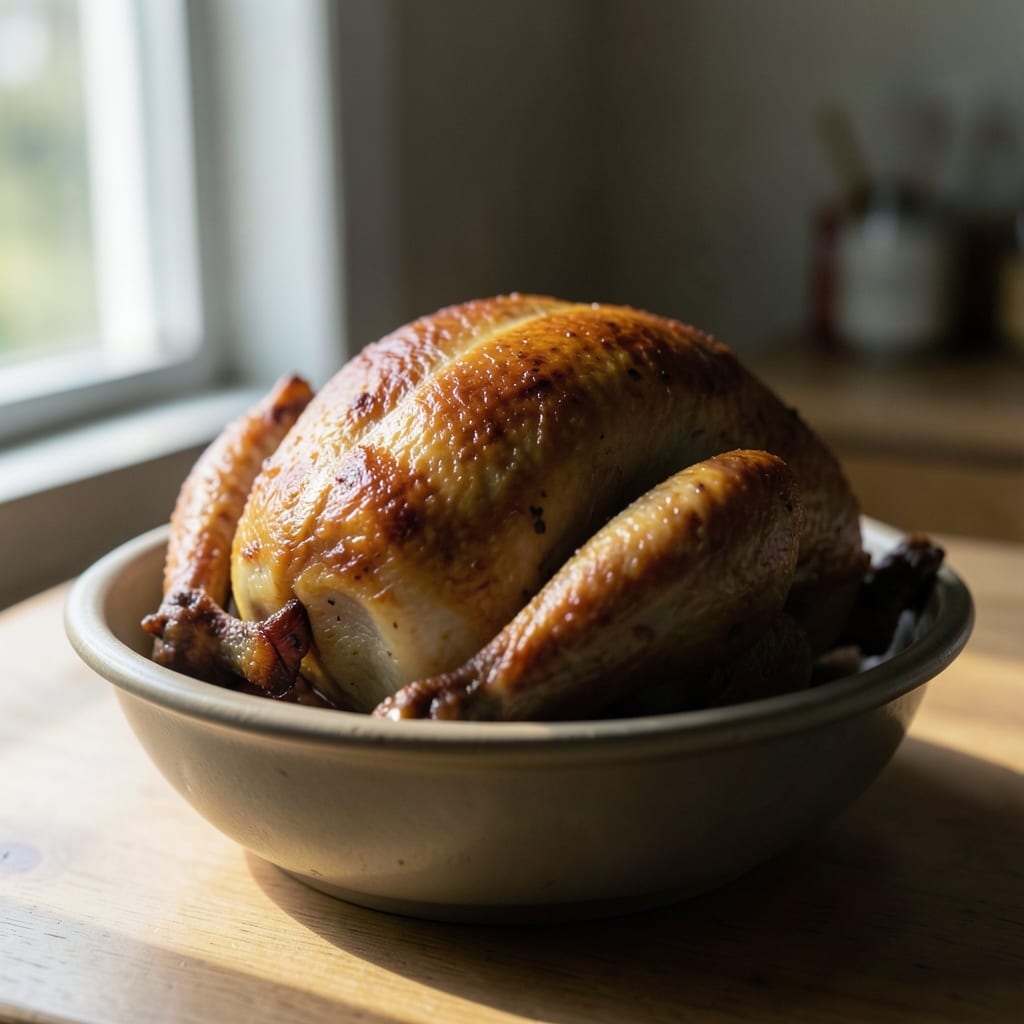
The first step is always the same: fire up the smoker at 225°F and let it settle for an hour. No rushing. The wood should burn slow, the smoke thick enough to see your hand in it.
I watch the gauge like a hawk, but I also trust my nose—if the smoke smells sharp, it’s time to add more wood. The meat goes on the grate when the smoker’s steady, and then it’s about waiting. Not checking every five minutes. Waiting.
The first sign it’s gone wrong? The meat’s not darkening. Smoked food should have color—deep brown, almost black in places. If it’s staying pale, the smoke’s not hitting it right. I’ll adjust the vents, move the meat closer to the fire, or even swap out the wood.
And if the bark isn’t forming? That’s a sure sign the temperature’s too low. I’ll crank it up, but I’ll note it down so I know for next time.
The second stage: letting it rest
Pulling the meat too soon is the fastest way to ruin a recipe. I’ve learned that the hard way—twice. The rule now? If it’s chicken, it rests for at least 20 minutes. Brisket? Forty. And I don’t cut into it until the juices run clear. No exceptions.
The first time I ignored this, the meat dried out. The second time, I let it rest too long, and it got cold. Now, I set a timer and walk away.
The fix is simple: wrap it in foil, tent it with aluminum, or just let it sit in a warm oven. But the real trick is knowing when to stop. If the bark’s cracking but the meat’s still tough, it needs more time. If the bark’s falling apart, it’s overdone.
And if the smoke’s still clinging to the meat like it’s reluctant to let go? That’s a good thing. It means the flavor’s still settling in.
How a page gets onto this site
Every recipe is written while the meat’s still warm, with the smoker’s heat still in the air. I jot down the temps, the times, and the little things that almost went wrong—the wood that burned too fast, the vent that stuck, the neighbor who complained about the smoke.
Then I let it sit for a week. That’s when I cut the fluff: the steps that don’t matter, the details that only a chef would notice. What stays is what *you* need to know.
Some pages get rewritten months later—usually because someone tried the recipe and sent me a photo of the disaster. (Or the triumph.) I’ll adjust the temps, tweak the wood, or add a note about the one thing that always goes wrong. And if a recipe gets updated three times?
That’s how you know it’s worth keeping.
Write to me
I love hearing about the recipes that worked—and the ones that didn’t. Did the wood burn out too fast? Did the meat come out perfect but the sauce fall apart? Did you try a recipe and invent your own twist? Send me the details.
The contact page is where to tell me everything, from the triumphs to the total failures. (And if you’ve got a smoker story of your own, I’d love to hear it.)
This site is for the people who show up, fire up the smoker, and don’t give up when things go wrong. Thanks for being one of them.
Bridget Vasquez
The recipes are grouped by category: Appetizers, Beverages, Breakfast & Brunch, Desserts, Main Courses and Reviews.