
Sauces & Condiments
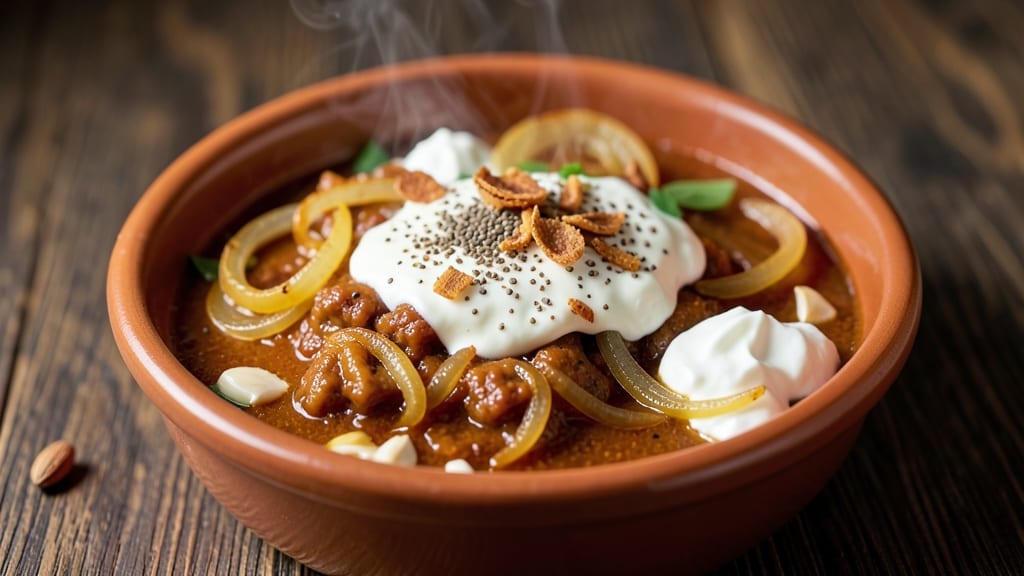
This authentic butter chicken sauce recipe delivers the rich, tangy, and aromatic essence of Indian street food—perfect for transforming store-bought or homemade chicken into a restaurant-worthy dish.
The secret lies in balancing tomato-tamarind depth with yogurt creaminess, while garam masala and kasuri methi (dried fenugreek leaves) elevate every spoonful to new heights. I’ve refined this recipe over years of testing, ensuring the flavors develop gradually for maximum complexity without bitterness.
The foundation of an authentic sauce begins with slow-cooked tomatoes and onions until they melt into a velvety base, then infused with whole spices like cardamom and cinnamon for warmth. Yogurt adds a cooling contrast, while cream introduces luxurious richness—just enough to coat the chicken without overpowering the spices.
The tamarind paste, often overlooked, provides that signature tangy depth that sets this sauce apart from milder versions.
What makes this sauce truly special is its versatility—it works equally well with grilled, baked, or pan-seared chicken, and the flavors deepen as it sits. The blend of spices creates layers of warmth, earthiness, and subtle sweetness, while the yogurt ensures a smooth, creamy finish.
Unlike many shortcut recipes, this one requires patience: simmering the spices and tomatoes until they break down completely unlocks the sauce’s full potential.
Once you taste the result—smooth, aromatic, and perfectly balanced—you’ll understand why this is the only butter chicken sauce worth making. Store it in the fridge for up to 5 days or freeze for longer shelf life, but trust me: it won’t last that long.
Let’s get started on crafting the sauce that will make your butter chicken unforgettable.
Ingredients for authentic butter chicken sauce
Nine whole spices, two tangy bases—tomatoes and tamarind—plus yogurt and cream for that signature richness.
| Ingredient | Amount | Notes |
|---|---|---|
| Ripe Roma Tomatoes 🍅 | 2 lbs | Peeled, seeded, chopped |
| Yellow Onions 🧅 | 3 whole | Finely chopped, about 3 cups |
| Fresh Ginger Root 🌿 | 2 tbsp | Grated, not powdered |
| Garlic Cloves 🧄 | 8 cloves | Minced, about 2 tbsp |
| Plain Yogurt 🥛 | 1 cup | Full-fat, unsweetened |
| Heavy Cream 🥛 | ½ cup | Full-fat preferred |
| Tamarind Paste 🍈 | ¼ cup | Or 2 tbsp tamarind pulp |
| Garam Masala 🌶️ | 2 tbsp | Freshly ground preferred |
| Kasuri Methi (Dried Fenugreek Leaves) 🌿 | 1 tbsp | Crumbled, not powdered |
| Ground Cumin 🌿 | 1 tsp | Toasted for depth |
| Ground Coriander 🌿 | 1 tsp | Freshly ground preferred |
| Turmeric Powder 🧂 | ½ tsp | Bright yellow color |
| Cardamom Pods 🌿 | 6 whole | Lightly crushed |
| Cinnamon Sticks 🌿 | 2 whole | About 1-inch pieces |
| Black Cardamom Pods 🌿 | 2 whole | Optional, for complexity |
| Kashmiri Red Chili Powder 🌶️ | 1 tsp | Mild heat, vibrant color |
| Salt 🧂 | 1 ½ tsp | Diamond Crystal preferred |
| Butter 🧈 | ½ cup | Unsalted, melted |
The tomatoes are non-negotiable—Romas are ideal for their meaty texture, but any ripe tomato works. Whole Foods or Indian markets usually carry pre-peeled Roma tomatoes, but if you're peeling them yourself, submerge in boiling water for 30 seconds first. The ginger and garlic need to be fresh—no powders here. For the tamarind, Trader Joe's has a great paste, but if you can find a block at your local Indian grocery, it's worth the extra effort. The yogurt should be thick and plain—Fage or Siggi's are my go-tos, but any full-fat Greek yogurt will do. The cream? Heavy cream only—none of that light stuff.
No tamarind? Lemon juice plus 1 tsp sugar gets you close, but it won’t have that exact depth. Running short on garam masala? Mix 1 tsp each cumin, coriander, cinnamon, and cardamom as a pinch-hit version. The kasuri methi is the secret weapon—don’t skip it. If you can’t find it, dried fenugreek seeds toasted and ground is a distant second. For the spices, Penzeys or Spicewalla are worth the splurge, but the bulk bins at Whole Foods work too. Just make sure they smell fresh and vibrant—not dusty or stale. The butter at the end? Use European-style unsalted if you can find it; it has a richer flavor.
This sauce tastes even better the next day as the flavors meld. Store in an airtight container in the fridge for up to 5 days, or freeze for 3 months. I like to portion it into ice cube trays before freezing—just pop out what you need for a quick weeknight dinner. The sauce thickens as it cools, so add a splash of water or milk when reheating. And trust me, you’ll go through this fast—make a double batch if you can.
Why You'll Love This Recipe
- No-Fuss Pantry Staples: I swear by this sauce because it only needs what’s already in my fridge and spice rack. Roma tomatoes, onions, yogurt—nothing fancy, just real ingredients that actually work.
- Ginger-Garlic Magic: That fresh ginger and garlic? Oh, it’s the secret weapon. The slow simmer lets them meld into the sauce, giving it a warmth that’s both cozy and addictive.
- Weeknight to Party Fix: Make a double batch on Sunday and you’ve got dinner covered for the whole week. Or freeze half for when unexpected guests show up—because let’s be real, butter chicken never disappoints.
- Budget-Friendly Luxury: This sauce costs pennies to make but tastes like a restaurant. The yogurt keeps it creamy without breaking the bank, and the tomatoes add that rich, tangy depth that feels indulgent.
Step-by-step instructions for authentic butter chicken sauce
Here's how to build this rich, balanced sauce layer by layer—where every spice and technique matters.
Bloom the Whole Spices in Butter
Melt the 0.5 cup butter in a heavy-bottomed pot over medium-low heat. Add the 6 whole cardamom pods, 2 whole cinnamon sticks, and 2 whole black cardamom pods (if using). Let them bloom for 2-3 minutes until the butter develops a fragrant aroma—you'll notice the spices release their oils and the butter takes on a golden hue. This step is crucial; it extracts maximum flavor before the spices burn.
I press the spices gently with a wooden spoon to help release their essential oils. If the butter starts to brown too quickly, reduce the heat slightly. The goal is to infuse the butter with aromatic depth without burning it. This aromatic base will carry through the entire sauce, giving it that authentic Indian restaurant character.
Cook the Aromatics Until Deeply Golden
Add the 3 whole yellow onions and cook for 10-12 minutes over medium heat, stirring occasionally, until they turn a deep golden brown and caramelize beautifully. This slow cooking process develops sweetness and complexity that store-bought onion powder can't replicate. The onions should be almost crispy at the edges—this indicates they've released their natural sugars.
Next, add the 2 tbsp grated fresh ginger root and 8 cloves minced garlic. Cook for another 2-3 minutes until the raw garlic smell disappears and the mixture becomes fragrant. Here's where the sauce starts to build its aromatic foundation. I like to taste the onions at this stage—they should be sweet and slightly bitter, with no raw onion flavor remaining.
Build the Spice Base with Dry Ingredients
Stir in the 1 tsp ground cumin, 1 tsp ground coriander, 0.5 tsp turmeric powder, and 1 tsp Kashmiri red chili powder. Cook for 1-2 minutes until the spices are fully integrated and the mixture becomes fragrant. This is where the sauce develops its signature color and depth. The Kashmiri chili powder will give it that beautiful pinkish hue while adding mild heat.
Add the 2 tbsp garam masala and 1 tbsp crumbled kasuri methi. The garam masala should be toasted fresh for maximum flavor—pre-ground blends lack the complexity. The kasuri methi will add a distinctive, slightly bitter fenugreek note that's essential for authentic butter chicken. Cook for another 30 seconds to let these spices meld with the base.
Incorporate Tomatoes and Tamarind
Add the 2 lbs chopped ripe Roma tomatoes and cook for 15-20 minutes over medium heat, stirring occasionally. The tomatoes will break down into a thick, jam-like consistency. This is where the sauce starts to develop its signature tangy-sweet balance. The acidity from the tomatoes will help cut through the richness of the butter.
After the tomatoes have cooked down, stir in the 0.25 cup tamarind paste and 1.5 tsp salt. The tamarind adds that signature tangy depth that sets this sauce apart from other butter chicken recipes. Cook for another 5-7 minutes until the sauce thickens slightly and coats the back of a spoon. This is the moment when all the flavors come together—sweet, tangy, spicy, and aromatic.
Finish with Yogurt and Cream
Reduce the heat to low and gradually whisk in the 1 cup plain yogurt, a little at a time, to prevent curdling. The sauce should become velvety and smooth. Cook for 2-3 minutes until the yogurt is fully incorporated and the sauce begins to thicken. This step is delicate—too much heat will curdle the yogurt, so keep the heat gentle.
Finally, stir in the 0.5 cup heavy cream and simmer for another 2-3 minutes until the sauce reaches your desired consistency. The cream adds luxurious richness while balancing the tangy-sweet notes. Taste and adjust the seasoning—you might need a touch more salt or chili powder to achieve perfect balance. The sauce should be rich, velvety, and full of complex flavors that dance on your palate.
Pro Tips For Making Authentic Butter Chicken Sauce
- Char the Onions Properly: Don’t just cook the onions until soft—get them deep golden brown, almost caramelized, before adding tomatoes. I learned this the hard way when my sauce tasted flat; the Maillard reaction here builds the base flavor. Use medium-low heat and stir often, or they’ll burn before they brown.
- Peel Tomatoes Like a Pro: Skip the knife and blister the Roma tomatoes whole over an open flame (or under a broiler) for 30 seconds per side. The skins will slip off effortlessly, and you’ll avoid the bitter, watery pulp that ruins so many sauces. No flame? A 5-minute boil in salted water works too—just drain well.
- Strain the Yogurt: Whisk the yogurt through a fine-mesh sieve to remove excess liquid before mixing it into the sauce. I used to skip this, and my butter chicken always ended up thin and watery. A damp cloth pressed against the sieve speeds it up—no fancy equipment needed.
- Simmer Low and Slow: After adding the yogurt, reduce heat to the lowest setting and let the sauce bubble gently for at least 20 minutes. Rushing this step makes the sauce break or taste raw. Cover partially and stir occasionally—this is where the richness develops, not the drama.
Wine and beer pairings for this dish
Indian Red Wine
For an authentic pairing, reach for a medium-bodied Indian red wine like Grapes of Wrath Shiraz from India’s Nashik region. Its dark fruit notes and subtle spice echoes complement the sauce’s garam masala and tamarind depth beautifully.
I’ve found that a 2018 vintage or newer offers the right balance of acidity and richness without overpowering the dish’s complexity. Serve slightly chilled to enhance the wine’s freshness against the sauce’s warmth. 🍷
Crisp White Pairings
A dry Riesling from Germany or a Chenin Blanc from South Africa works surprisingly well with butter chicken sauce. The Riesling’s bright acidity cuts through the richness, while Chenin Blanc’s citrus notes mirror the tamarind’s tang.
I recommend Dr. Loosen Blue Slate Riesling—its mineral finish cleanses your palate between bites. For a budget-friendly option, Trader Joe’s Chenin Blanc delivers excellent value without sacrificing quality. ✨
Beer Options
For beer lovers, a light lager like Heineken or Peroni provides the perfect crisp contrast to the sauce’s richness. The carbonation helps refresh your palate between bites. If you prefer craft beer, try a Belgian witbier such as Hoegaarden—its coriander and citrus notes enhance the sauce’s aromatic spices.
Avoid heavy stouts or IPAs, as their bold flavors can clash with the delicate balance of the sauce. 🍺
Cocktail Pairing
For a festive touch, serve a Mango Lassi Cocktail alongside the dish. Blend ½ cup mango puree, ½ cup yogurt, ½ cup coconut milk, 1 tbsp honey, and ice until smooth.
The tropical sweetness complements the sauce’s tangy-sweet profile while adding a refreshing contrast. Garnish with a sprinkle of kasuri methi for an authentic Indian twist. 🍹
Non-Alcoholic Choices
For those avoiding alcohol, sparkling mint lemonade is a fantastic choice. Mix ½ cup fresh lemon juice, 2 tbsp honey, ½ cup sparkling water, and 4-5 fresh mint leaves.
The effervescence and coolness balance the sauce’s warmth and richness perfectly. For an Indian-inspired twist, add a pinch of roasted cumin to the syrup for depth. 💧
Nutrition facts
Frequently asked questions
Can I make this sauce without tamarind?
Yes, but the flavor will be less authentic. Replace 0.25 cup tamarind paste with 2 tbsp lemon juice + 1 tsp sugar to mimic the tangy depth. For closer results, try 1 tbsp vinegar (apple cider or white) + 1 tsp brown sugar. The tamarind adds a unique complexity that's hard to replicate, but this combo works in a pinch.
Why does my sauce taste bitter?
Bitter flavors usually come from overcooking the tomatoes or spices. For authentic results, cook tomatoes until they're jam-like (not mushy) and remove from heat just before they fully break down. If it's too bitter, balance with 1 tbsp honey or sugar or a splash of yogurt. Also check your kasuri methi—too much can add bitterness. Start with ½ tbsp if you're sensitive to fenugreek.
How can I adjust the heat level?
The Kashmiri red chili powder provides mild heat with vibrant color. For more spice, add ½-1 tsp cayenne or green chili powder. For a smoky kick, stir in ½ tsp smoked paprika. Always taste as you go—you can't remove excess heat, but you can always add more chili powder later. The yogurt and cream naturally mellow the heat slightly.
Can I make this sauce in a slow cooker?
Follow the same steps but transfer everything to the slow cooker after blooming the spices. Cook on low for 4-5 hours, stirring occasionally, until the tomatoes break down completely. For the yogurt and cream, stir them in during the last 30 minutes to prevent curdling. The slow cooker method actually enhances the sauce's depth as flavors meld over time.
What's the best way to store leftovers?
Cool the sauce completely before transferring to an airtight container. It keeps in the fridge for 5 days and freezes beautifully for 3 months. For freezing, portion into ice cube trays—just pop out what you need for quick weeknight meals. The sauce thickens when chilled, so add 1-2 tbsp water or milk when reheating. The flavors actually improve after the first day!