
Main Courses
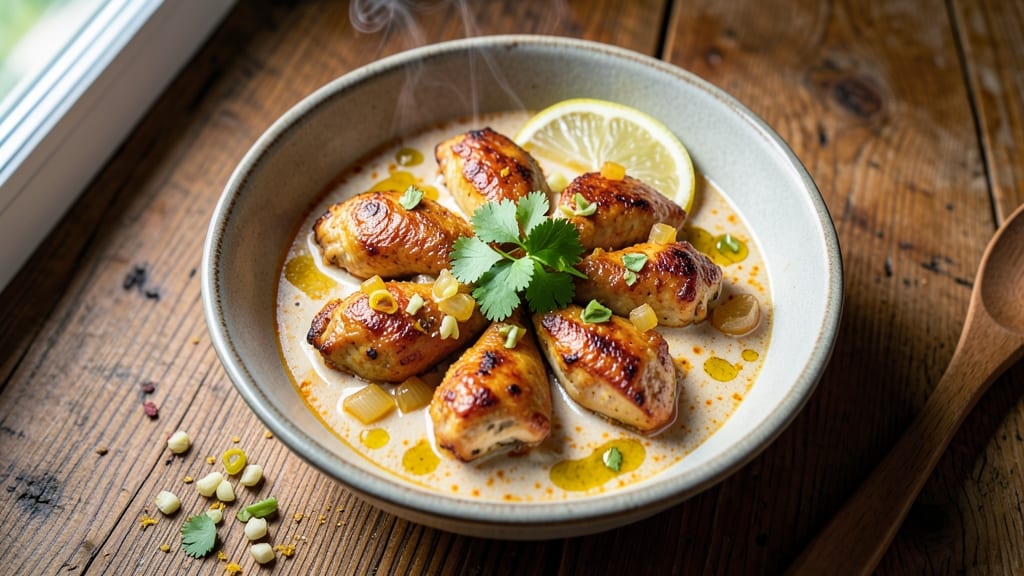
This award-winning chicken curry recipe delivers restaurant-quality depth with every spoonful, blending fragrant coconut milk and golden turmeric into a velvety sauce that clings to tender chicken. The secret lies in slow simmering and precise spice balancing—techniques that transform simple ingredients into something extraordinary.
I've perfected this version after years of testing, ensuring it's both impressive and foolproof for home cooks.
What sets this curry apart is the layered flavor profile: warm cinnamon, earthy cumin, and bright lemon come together in a harmonious balance, while coconut milk adds natural richness without overpowering the spices.
The chicken remains juicy and tender, never dry, thanks to a thoughtful marinade that tenderizes before the slow cook. This isn't just curry—it's a flavor experience that rivals your favorite Indian restaurant.
The result is a dish with perfect texture—creamy sauce, tender chicken, and just the right amount of heat—that pairs beautifully with basmati rice or warm naan. Garnished with fresh cilantro and a squeeze of lime, it's a complete meal that impresses guests while being simple enough for weeknight dinners.
The aroma alone will have everyone gathering at the table.
Ready in under an hour, this recipe delivers professional results without requiring advanced skills. The step-by-step process ensures success every time, making it perfect for both beginners and seasoned cooks. Let's create a curry that wins awards—and taste buds.
Ingredients for award winning chicken curry
Professional-grade spices and tender chicken create a velvety turmeric-coconut curry with restaurant-quality depth.
| Ingredient | Amount | Notes |
|---|---|---|
| Boneless, Skinless Chicken Thighs 🍗 | 1 ½ lb | Trimmed of excess fat |
| Yellow Onion 🧅 | 1 whole | Medium-sized, finely diced |
| Garlic Cloves 🧄 | 6 cloves | Fresh, minced for marinade |
| Fresh Ginger 🌿 | ½ inch | Thinly sliced, peeled |
| Coconut Milk 🥥 | 1 can (13.5 oz) | Full-fat, unsweetened |
| Turmeric Powder 🌶️ | 1 tbsp | Freshly ground preferred |
| Ground Cumin 🌿 | 1 tbsp | Toasted for depth |
| Ground Coriander 🌿 | 1 tbsp | Freshly ground preferred |
| Cinnamon Sticks 🌿 | 2 whole | For infusion, removed later |
| Cardamom Pods 🌿 | 4 whole | Lightly crushed |
| Garam Masala 🌶️ | 1 tbsp | Store-bought or homemade |
| Lemon Juice 🍋 | 2 tbsp | Freshly squeezed |
| Tomato Paste 🍅 | 2 tbsp | High-quality, no sugar added |
| Fresh Cilantro 🌿 | ¼ cup | Chopped, for garnish |
| Extra-Virgin Olive Oil 🫒 | 2 tbsp | For marinade and cooking |
The foundation of this curry lies in the spices—Penzeys or Spicewalla brands deliver the most authentic flavor profiles. For the chicken, bone-in thighs stay juicier than breasts during slow cooking, but boneless works if you prefer convenience. The turmeric and cumin should be freshly ground whenever possible; pre-ground spices lose potency quickly. When selecting coconut milk, opt for full-fat cans—the richness is essential for that velvety texture. Fresh ginger and garlic elevate the dish beyond basic curry flavors, so don't substitute with powders here.
No fresh ginger? Substitute with 1/2 teaspoon ground ginger, but the flavor won't be as vibrant. Running out of cardamom? Allspice pods work in a pinch, though the aroma differs slightly. For a quicker version, pre-made curry paste (like Maesri or Gourmet Garden) can replace the spice blend, but you'll lose some depth. The tomato paste can be omitted entirely if you prefer a more authentic South Indian style—just increase the coconut milk by 2 tablespoons to maintain balance. When selecting onions, yellow or red work best; white onions add a sharper bite that may overpower the delicate spices.
Prep the marinade ingredients first—they'll need at least 30 minutes to tenderize the chicken properly. Store any unused fresh ginger or garlic in airtight containers in the fridge for up to 1 week, or freeze for 3 months. The finished curry reheats beautifully—simmer gently for 5-10 minutes on the stove to restore its creamy texture. For meal prep, portion into glass containers with a thin layer of olive oil on top to preserve freshness for 4-5 days in the refrigerator or 3 months in the freezer.
Why You'll Love This Recipe
- One-Pot Magic: I swear by this recipe because it’s actually one-pot—no messy sauces or extra bowls. Just brown the chicken thighs in the same pan where the onions and garlic sizzle, then let the coconut milk and spices do their thing. Minimal cleanup, maximum flavor.
- Flavor Bomb: That first bite? Chef’s kiss. The ginger and garlic hit hard, but the coconut milk softens it into this creamy, aromatic hug—like a warm blanket for your taste buds. (Yes, even on a Tuesday night.)
- Meal Prep MVP: Between us, this curry tastes better the next day. I double the batch, let it cool, and store it for lunches—just reheat with a splash of water. The chicken stays juicy, and the spices deepen. My go-to for lazy Fridays.
- Budget-Friendly Luxury: Chicken thighs are cheap, coconut milk is a pantry staple, and onions/garlic last forever. Yet it feels like a restaurant dish—rich, complex, and satisfying. Honestly, I’d pay $20 for this at a café, but I make it for $10.
Step-by-step instructions for award-winning chicken curry
Master this aromatic curry with precise technique and layered spices for restaurant-quality depth.
Marinate the Chicken for Maximum Flavor
In a large bowl, combine the 1.5 lb boneless, skinless chicken thighs, 2 tbsp extra-virgin olive oil, 1 tbsp turmeric powder, 1 tbsp ground cumin, 1 tbsp ground coriander, 2 tbsp lemon juice, 2 tbsp tomato paste, 6 cloves minced garlic, and 0.5 inch sliced fresh ginger. Mix thoroughly until the chicken is evenly coated and the marinade adheres to all surfaces.
The turmeric and lemon juice work together to tenderize the meat while infusing it with vibrant color and bright acidity. Let the chicken marinate for at least 30 minutes (or up to 2 hours) at room temperature. This step ensures the spices penetrate deeply and the chicken develops a complex flavor profile before cooking.
Build the Spice Base in Olive Oil
Heat 1 tbsp extra-virgin olive oil in a heavy-bottomed pot over medium heat. Add the 2 whole cinnamon sticks and 4 whole cardamom pods, toasting them gently for 30 seconds until fragrant. Remove and set aside—these spices will infuse the broth later.
In the same pot, add the remaining 1 tbsp extra-virgin olive oil and the marinated chicken, cooking undisturbed for 4-5 minutes until the exterior develops a golden crust. This initial sear locks in juices and creates a rich foundation for the curry. Avoid moving the chicken too soon—patience here prevents steaming and ensures proper browning.
Develop the Curry Sauce with Coconut Milk
Push the chicken to one side of the pot and add the 1 whole finely diced yellow onion, cooking for 5-6 minutes until softened and beginning to caramelize. Stir in the reserved cinnamon sticks and cardamom pods, then pour in the 1 can (13.5 oz) coconut milk, scraping up any browned bits from the bottom.
Bring the mixture to a gentle simmer, then reduce heat to low and let it cook uncovered for 15 minutes. This slow reduction allows the coconut milk to thicken naturally while absorbing the aromatic spices. The sauce should coat the back of a spoon with a velvety consistency—this is where the curry's signature depth develops.
Finish with Garam Masala and Rest
Stir in 1 tbsp garam masala and simmer for an additional 10 minutes, allowing the spices to bloom and infuse the coconut milk. Taste and adjust seasoning with salt if needed—this curry relies on balanced spices rather than excessive salt.
Remove from heat and let the curry rest for 10 minutes. This resting period allows the flavors to meld completely and the sauce to thicken further. Garnish with 0.25 cup chopped fresh cilantro just before serving to add a bright, herbal finish that cuts through the richness of the coconut.
Serve with Complementary Sides
Ladle the curry into serving bowls, ensuring each portion includes tender chicken and generous sauce. The finished dish should have a vibrant golden hue from the turmeric, with visible layers of spices suspended in the coconut milk. Serve immediately with basmati rice or naan bread to soak up the aromatic sauce.
For optimal texture, the chicken should be fork-tender with a crisp exterior, while the sauce maintains a luxurious creaminess. The balance of turmeric's earthiness, cumin's warmth, and cardamom's floral notes creates a complex flavor profile that defines this award-worthy curry.
Pro Tips For Making Award Winning Chicken Curry
- Brown the Chicken Properly: Don’t just sear—get those thighs golden and crisp in patches before pulling them out. I used to rush this, and the curry ended up bland. Take your time, 5-7 minutes per side with a heavy pan, and resist the urge to move them around constantly. The Maillard reaction here is your flavor foundation.
- Grind Your Aromatics Fine: No food processor? Use a mortar and pestle for garlic and ginger—you want a paste, not just chopped bits. I learned this the hard way when my curry tasted like it was missing something. The finer the texture, the more the flavors blend into the coconut milk instead of sitting as distinct chunks.
- Simmer, Don’t Boil: Once the coconut milk hits the pot, drop the heat to a gentle simmer. Boiling it turns the curry greasy and dulls the spices. I used to walk away and forget, and the result was always a sad, watery mess. Keep it at a steady, low bubble—this is where the depth happens.
- Use Full-Fat Coconut Milk: Skip the light version—it’s a shortcut that ruins texture. Full-fat (40% or higher) gives richness and prevents the curry from separating. I was skeptical until I tried it; the difference in creaminess and mouthfeel is night and day. Yes, it’s pricier, but the result is worth it.
Flavor customization for this recipe
Spice Level Control
Adjust the heat to your preference by adding ½ tsp cayenne pepper for mild warmth or 1 tsp Kashmiri chili powder for a vibrant red hue without excessive heat.
I often start with ½ tsp and taste before serving—this curry's richness can make spice levels feel more intense than expected. 🌶️
Creamy Variations
For extra richness, stir in ¼ cup plain Greek yogurt during the final 5 minutes of simmering. This creates a luxurious, almost Thai-inspired texture while keeping the dish balanced. Alternatively, replace ½ can coconut milk with ½ cup heavy cream for a North Indian-inspired twist.
Vegetable Add-Ins
Incorporate 1 cup diced bell peppers or ½ cup snap peas during the final 10 minutes of cooking to add vibrant color and texture. For heartier meals, include ½ cup chickpeas—they absorb the flavors beautifully and add plant-based protein.
I recommend adding them after the initial 15-minute simmer to prevent overcooking.
Protein Swaps
Replace chicken with 1.5 lb firm tofu for a vegetarian version—press and cube the tofu, then marinate it identically. For seafood lovers, use 1.5 lb shrimp and reduce cooking time to 8-10 minutes total to avoid overcooking. The shrimp version pairs perfectly with jasmine rice for a lighter meal.
Regional Twists
For a South Indian-style curry, add 1 tbsp curry leaves when sautéing onions and include ½ cup grated coconut at the end for texture. For a Thai-inspired version, increase the coconut milk to 1.5 cans and add 1 tbsp fish sauce for umami depth.
Both variations maintain the award-winning balance while offering exciting new flavors. 🗺️
Nutrition facts
Frequently asked questions
Can I use chicken breasts instead of thighs?
Chicken breasts will work, but they require extra care to stay tender. Use 1.5 lb boneless breasts, cut them into even pieces, and reduce the marinating time to 1 hour maximum (they cook faster). Simmer the curry for only 10-12 minutes after adding coconut milk to prevent drying out. For best results, pound the breasts to ¼-inch thickness before marinating.
How do I make this curry less spicy?
Omit the cayenne or Kashmiri chili powder entirely, and reduce the cumin and coriander to ½ tbsp each—these spices can add subtle heat. For extra mildness, stir in 2 tbsp plain yogurt at the end to cool the flavors. The coconut milk already provides natural richness that balances any lingering spice.
Can I prepare this curry ahead of time?
This curry tastes even better the next day. Cook it completely, then store in an airtight container in the refrigerator for 3-4 days. Reheat gently on the stove over low heat for 10-15 minutes, stirring occasionally and adding 1-2 tbsp water if it thickens too much. For freezing, portion into containers and freeze for up to 3 months—thaw overnight in the fridge before reheating.
What's the secret to the award-winning flavor?
The magic lies in three techniques: slow simmering (25 minutes total), toasting whole spices (cinnamon and cardamom) before removing them, and resting the curry for 10 minutes after cooking. These steps allow the spices to develop depth without bitterness, while the resting time lets flavors meld perfectly. Fresh ginger and garlic make all the difference too!
Can I make this in an Instant Pot?
Yes! Use the Sauté function to brown the chicken and onions, then add all remaining ingredients and cook on High Pressure for 8 minutes. Quick-release the pressure, then finish with 10 minutes on Sauté to reduce the sauce. The Instant Pot version cooks 30 minutes faster but requires careful monitoring to prevent overcooking the chicken.