
Sauces & Condiments
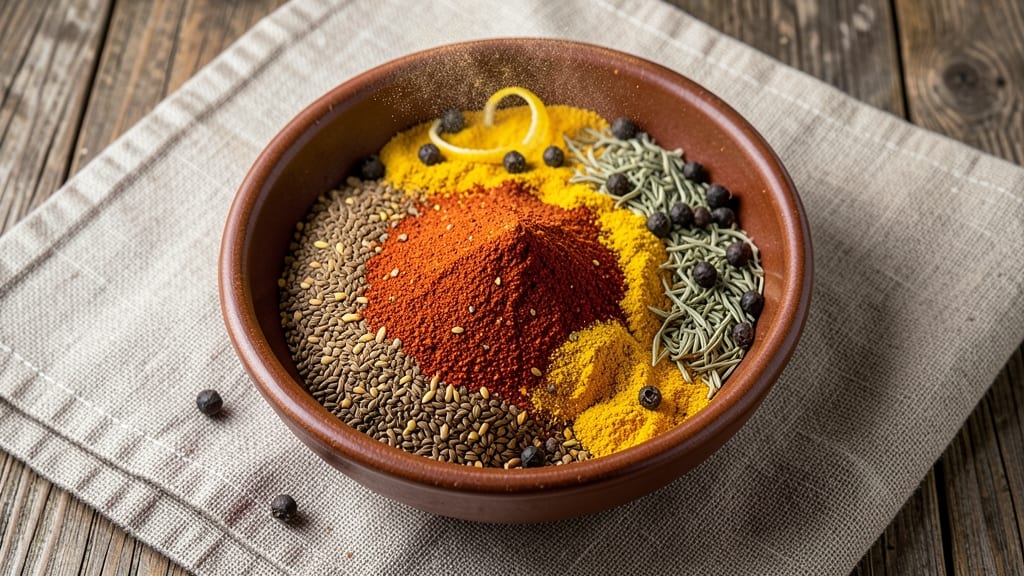
Baba's Chicken Curry Powder Recipe transforms ordinary chicken into restaurant-worthy flavor with just a sprinkle of this bold spice blend. 🌟 Unlike store-bought versions, this homemade mix delivers deeper, more complex flavors—perfect for marinades, dry rubs, or sprinkling directly onto cooked chicken. The secret lies in balancing heat, earthiness, and aromatic spices for a blend that's as versatile as it is unforgettable.
This simple yet powerful recipe uses 10 easy-to-find spices in precise proportions, ensuring every batch delivers consistent results. Whether you're seasoning a whole roasted chicken or a quick weeknight meal, the blend infuses meat with layers of warmth, smokiness, and subtle sweetness.
The key ingredients—like coriander and cumin—create a foundation, while cayenne and fenugreek add depth that store-bought powders can't match.
What sets this curry powder apart is its adaptability. Use it as a dry rub for grilled chicken, stir it into marinades for tender, flavorful meat, or even sprinkle it over cooked dishes for an instant flavor boost.
The blend stays potent for up to 6 months when stored in an airtight container, making it a pantry staple for anyone who loves bold, aromatic flavors.
For best results, apply the powder generously—about 1 to 2 tablespoons per pound of chicken—and let it sit for at least 30 minutes before cooking to allow the spices to penetrate.
The result? Chicken that tastes like it's been simmering in a rich, aromatic curry, but with none of the fuss. Let's get started on this flavor-packed spice blend!
Ingredients for baba's chicken curry powder
Ten aromatic spices blend into a restaurant-worthy curry powder that elevates chicken to extraordinary heights.
| Ingredient | Amount | Notes |
|---|---|---|
| Ground Coriander Seeds 🌿 | 3 tbsp | Toasted for enhanced aroma |
| Ground Cumin Seeds 🌿 | 2 tbsp | Freshly ground preferred |
| Sweet Paprika 🌶️ | 1 ½ tbsp | Smoked variety for depth |
| Turmeric Powder 🧂 | 1 tbsp | Bright, vibrant color |
| Ground Fenugreek Seeds 🌿 | 1 tbsp | Key for authentic curry taste |
| Ground Black Pepper 🌶️ | 1 tbsp | Freshly cracked for heat |
| Ground Cardamom Pods 🌿 | ½ tbsp | Lightly toasted pods preferred |
| Ground Ginger 🧄 | ½ tbsp | Freshly ground for warmth |
| Cayenne Pepper 🔥 | ½ tbsp | Adjust for desired heat |
| Salt 🧂 | 1 tsp | Diamond Crystal preferred |
The foundation of this blend lies in the coriander and cumin—Penzeys Spice Shop or bulk bins at Whole Foods offer the freshest, most potent options. For fenugreek, Indian or Middle Eastern markets carry the best quality, often sold in small jars that preserve freshness longer. Toasting whole spices before grinding amplifies their flavor, though pre-ground options work in a pinch. Turmeric should be a vibrant yellow; if it's dull, it's lost potency. Cardamom pods should be plump and aromatic—crush them lightly before grinding for maximum impact.
No coriander? Celery seeds at half the amount provide a similar earthy note, though with less sweetness. Substitute cumin with caraway seeds, but reduce to three-quarters the quantity to avoid bitterness. Smoked paprika can replace sweet paprika, though the flavor profile shifts slightly. For heat adjustments, reduce cayenne to 0.25 tbsp for mild versions or increase to 1 tbsp for fiery results. Freshly ground spices always outperform pre-ground, but if you're short on time, spices from sealed containers at Trader Joe's are a reliable shortcut.
Store this blend in an airtight glass jar away from light and heat—it retains potency for up to 6 months. For long-term storage, freeze portions in ice cube trays and transfer to a sealed bag. The powder works best when applied generously—about 1 to 2 tablespoons per pound of chicken—and allowed to sit for at least 30 minutes before cooking. This ensures deep flavor penetration, transforming ordinary chicken into a dish that tastes like it's been simmering in a rich, aromatic curry.
Why You'll Love This Recipe
- No-Spice-Stress Mix: I swear by this blend because it’s literally five ingredients—no measuring cups, no guesswork. Just dump the coriander, cumin, and fenugreek into a bowl, stir, and you’ve got a pantry staple that transforms chicken into something magical. (Yes, even when I’m too tired to chop anything.)
- Earthy Warmth Bomb: That fenugreek might sound weird, but trust me—it’s the secret. The sweet paprika gives it a smoky kick, while the turmeric and cumin build this deep, cozy flavor that sticks with you. It’s the kind of taste that makes you reach for seconds without even thinking.
- Weeknight Workhorse: This powder doesn’t just work for chicken—it’s my go-to for roasted veggies, lentils, or even scrambled eggs when I’m desperate. Freeze extra in ice cube trays for single-use portions, and suddenly, dinner feels like a victory.
- Budget Magic: A little goes a long way, and honestly? This mix costs next to nothing compared to store-bought curry pastes. I make a big batch, store it in a jar, and use it for months—no wasted money, no wasted time. Plus, my wallet and my taste buds both win.
Step-by-step instructions for baba's chicken curry powder
This bold spice blend delivers restaurant-quality depth with every pinch.
👨🍳 Step 1: Measure and Prepare the Spices
Start by gathering all ingredients on a clean workspace. I like to use a medium-sized mixing bowl that's just large enough to hold everything comfortably. Measure out the 3 tbsp ground coriander seeds, 2 tbsp ground cumin seeds, and 1.5 tbsp sweet paprika first—they form the aromatic base of this blend. The coriander adds citrusy brightness while the cumin provides earthy warmth, and the paprika contributes that signature curry color and subtle smokiness.
Next, add the 1 tbsp turmeric powder and 1 tbsp ground fenugreek seeds. Here's the thing—fenugreek is crucial for that authentic curry taste, but it's potent, so use exactly 1 tbsp. The turmeric will give your curry its vibrant golden hue and subtle earthy flavor. Don't skip the toasted coriander and cardamom notes from the ingredients list—they make all the difference in depth of flavor.
👨🍳 Step 2: Add the Heat and Balance Components
Now incorporate the heat elements: 1 tbsp ground black pepper, 0.5 tbsp ground cardamom pods, 0.5 tbsp ground ginger, and 0.5 tbsp cayenne pepper. The black pepper adds sharpness that cuts through the richness, while the cardamom and ginger bring floral and warming notes. I always use freshly ground black pepper and lightly toasted cardamom pods—they make a noticeable difference in flavor quality.
Finally, add the 1 tsp salt. This isn't just seasoning—it's flavor enhancement. The salt helps all the spices meld together and prevents the blend from being too harsh. Be precise with measurements, especially with the cayenne. If you want less heat, reduce to 0.25 tbsp—it's easy to adjust later, but hard to fix if you've added too much.
🥘 Step 3: Combine and Mix Thoroughly
Using a clean, dry whisk or silicone spatula, gently fold all ingredients together in the bowl. The goal is to distribute everything evenly without creating dust clouds. I like to start with the whisk in the center of the bowl and work my way outward in small circles, gradually incorporating all the spices from the edges. This ensures no pockets of concentrated spice remain.
After the initial mix, transfer the blend to a clean, airtight container with a tight-sealing lid. I prefer glass jars for storage—they're non-reactive and let me see the vibrant color of the blend. Give the jar a good shake to distribute any remaining dry spots, then let it sit for 5 minutes before final mixing. This resting period allows the spices to begin combining their aromas.
🔪 Step 4: Final Blending and Storage
Return to your mixing bowl and give the spices one final thorough mix. At this point, you should see a uniform, vibrant blend with no distinct clumps. The color should be a rich, deep orange-brown with flecks of black pepper and cardamom. This is your visual cue that everything is properly combined.
Transfer the finished blend to your storage container and seal tightly. For best flavor, store in a cool, dark place for up to 3 months. If you notice the spices losing their aroma before then, simply give the jar a good shake before using. This blend makes about 1 cup, which is perfect for 4 servings of curry or enough to spice up multiple dishes. The key to great curry powder is freshness—always use within the recommended timeframe for peak flavor.
Pro Tips For Making Baba'S Chicken Curry Powder
- TOAST THE WHOLE SPICES: Before grinding, dry-toast coriander and cumin seeds in a pan for 30 seconds—just until they smell warm and nutty. I learned this the hard way when my curry tasted flat; raw seeds lack depth. Skip this, and your powder will be one-dimensional.
- SIFT THE FENUGREEK: Fenugreek burns fast and clumps like glue. Sift it in last while mixing the other spices, then whisk vigorously to break up lumps. My grandmother swore by this, and she was right: uneven distribution turns your curry bitter.
- LOW-HEAT DRY ROAST: If you’re toasting the powder mix, keep the heat low and stir constantly—fenugreek and paprika scorch in seconds. I’ve ruined batches by walking away, so set a timer for 2-3 minutes max. Smell it often; it should smell earthy, not acrid.
- STORE IN DARK GLASS: Curry powder oxidizes fast, turning dull. Transfer it to a dark amber jar and keep it in the fridge for longer shelf life—yes, even if it’s just for a few weeks. I used to hoard it in a clear container, and the flavor faded in days. Worth the effort.
Pro cooking tips for this recipe
Toast Whole Spices
Before grinding, lightly toast coriander, cumin, and cardamom seeds in a dry skillet over medium-low heat for 2-3 minutes until fragrant. This step unlocks deeper flavors by releasing natural oils.
I use a 10-inch cast-iron skillet for even heat distribution—just shake the pan occasionally to prevent burning. Let them cool completely before grinding to preserve their potency. 🌿
Use Freshly Ground Spices
Pre-ground spices lose flavor quickly, but freshly grinding coriander, cumin, and cardamom makes a world of difference. I recommend a spice grinder like the OXO Good Grips for consistency. For fenugreek, buy whole seeds and grind them fresh—they develop a bitter note when pre-ground.
If you must use pre-ground, check the expiration date and store them in the freezer to extend freshness.
Adjust Heat Levels
The cayenne pepper is where you can customize the heat. For a mild blend, reduce to 0.25 tbsp—this still provides warmth without overpowering. If you love heat, increase to 1 tbsp for a spicy kick.
I often make two batches: one with 0.5 tbsp cayenne for everyday use and another with 1 tbsp for bold dishes. Taste as you go—this blend is forgiving, but cayenne is the easiest to adjust.
Store Properly
Light and heat degrade spices quickly, so store your curry powder in an amber glass jar with a tight-sealing lid in a cool, dark pantry. I label mine with the date to track freshness—it stays vibrant for up to 6 months.
For long-term storage, divide into smaller portions and freeze them in ice cube trays, then transfer to a sealed bag. This method preserves aroma for up to 12 months without losing potency. ❄️
Apply Generously
Don’t be shy with this blend—use 1 to 2 tablespoons per pound of chicken. For dry rubs, mix with 1 tbsp olive oil to help it adhere. Let the seasoning sit on the chicken for at least 30 minutes (or overnight for deeper flavor).
I often marinate chicken thighs in a mix of 2 tbsp curry powder, 1 tbsp yogurt, and 1 tbsp lemon juice for 4 hours before grilling. The result? Juicy, flavor-packed chicken every time. 🍗
Revive Stale Spices
If your blend loses aroma before 6 months, revive it by adding ½ tsp ground cloves or ½ tsp ground cinnamon to the jar. Shake well and let it sit for 10 minutes before using.
For a stronger boost, toast the spices in a dry skillet for 1 minute to reactivate their oils. This trick works wonders for any dried spice blend that’s lost its punch. 💡
Nutrition facts
Frequently asked questions
Can I make this curry powder without fenugreek?
Yes, but you'll lose that authentic curry depth. For a substitute, use ½ tsp ground cloves or ½ tsp ground cinnamon—they add warmth without the same complexity. If you're avoiding fenugreek for dietary reasons, the blend will still taste great but lean more toward a general "warm spice" profile rather than traditional curry flavor.
How much curry powder should I use for other proteins?
For 1 pound of chicken, use 1 to 2 tablespoons—this works for thighs, breasts, or drumsticks. For ground meat (like beef or turkey), reduce to 1 to 1.5 tablespoons per pound—it's more concentrated. For tofu or vegetables, use 1 teaspoon per pound and toss with oil to help it adhere. The blend is potent, so start with less and adjust to taste.
Why does my homemade curry powder look different from store-bought?
Store-bought blends often use paprika as the main colorant and may include fillers like rice flour. This recipe relies on turmeric and paprika for color, but the deeper orange-brown hue comes from the toasted spices. The texture might also be coarser—pre-ground store versions are often finely milled for shelf appeal. Your blend should have visible flecks of black pepper and cardamom, which is perfect!
Can I use this blend for dishes other than chicken?
It works beautifully in soups, stews, rice dishes, and even roasted vegetables. For soups, use 1 teaspoon per quart of liquid. For rice, mix 1 tablespoon per cup of rice with the water before cooking. The blend also elevates pasta sauces, scrambled eggs, or popcorn—just be creative! The key is balancing the spices with other flavors in the dish.
What if I accidentally add too much cayenne?
Don't panic! The blend is forgiving. For mild dishes, reduce the cayenne to 0.25 tbsp in future batches. If you've already mixed it, balance the heat by adding 1 teaspoon of sugar or honey to the dish during cooking. For spicy dishes, embrace the heat—it pairs well with yogurt, coconut milk, or fresh herbs like cilantro or mint.