
Main Courses
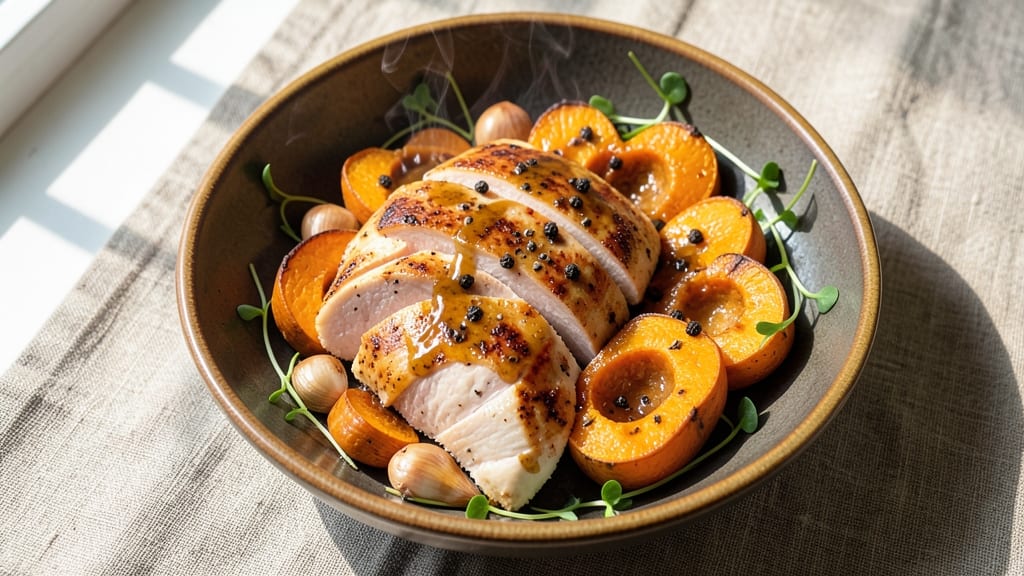
This baked chicken breast and acorn squash recipe transforms simple ingredients into a restaurant-worthy meal with minimal effort. The sweet maple glaze caramelizes beautifully on the squash while tenderizing the chicken, creating a perfect balance of savory and sweet flavors in one pan.
I developed this dish during a busy week when I needed something impressive yet straightforward—it never fails to impress guests and simplify weeknight dinners.
The secret lies in the maple-mustard marinade, which infuses the chicken with depth while the acorn squash roasts until tender with crisp edges. Both components cook simultaneously at 400°F, ensuring everything is ready at the same time.
This method not only saves time but also creates a cohesive dish where every bite delivers harmonious flavors—no complicated techniques required.
What you’ll end up with is juicy, golden chicken paired with caramelized squash that’s sweet, nutty, and perfectly tender. The maple glaze adds a subtle richness that complements the savory seasoning on the chicken, making this dish feel indulgent yet balanced.
It’s the kind of meal that feels special without requiring hours in the kitchen.
Perfect for family dinners or impressing guests, this recipe scales easily and pairs well with a simple side salad or crusty bread. The one-pan approach means less cleanup, and the flavors develop beautifully even if you’re not an experienced cook.
Let’s get started—your table is about to look (and taste) like a gourmet restaurant’s finest offering.
Ingredients for baked chicken breast and acorn squash
Sweet maple glaze meets savory chicken and nutty squash—just 13 ingredients for a showstopper.
| Ingredient | Amount | Notes |
|---|---|---|
| Boneless, Skinless Chicken Breast 🍗 | 1 ½ lb | Pounded to even thickness |
| Acorn Squash 🎃 | 1 whole | Halved and seeds removed |
| Pure Maple Syrup 🍯 | ¼ cup | Grade B for richer flavor |
| Dijon Mustard 🥬 | 2 tbsp | For depth and tang |
| Extra-Virgin Olive Oil 🫒 | 2 tbsp | For roasting and marinade |
| Garlic Cloves 🧄 | 4 cloves | Minced for marinade |
| Fresh Thyme Leaves 🌿 | ¼ cup | Chopped, stems removed |
| Diamond Crystal Kosher Salt 🧂 | 1 ½ tsp | For seasoning |
| Freshly Ground Black Pepper 🌶️ | ½ tsp | For heat and depth |
| Cinnamon Sticks 🌳 | 2 whole | For squash aroma |
| Fresh Rosemary Sprigs 🌿 | 2 whole | For herbal notes |
| Balsamic Vinegar 🍶 | 1 tbsp | For glaze acidity |
| Unsalted Butter 🧈 | 1 tbsp | For squash caramelization |
The chicken breast is non-negotiable—look for even-sized pieces from the deli counter at Whole Foods or your local butcher. Pounding them to ¼-inch thickness ensures even cooking. For the acorn squash, Trader Joe's has the best selection, but any grocery store carries them in fall. Choose squash that feels heavy for its size—lightweight means it's past its prime. Fresh thyme and rosemary? Penzeys Spices sells bundles that keep for months if stored properly. The maple syrup should be Grade B—it's richer and less processed than the clear stuff.
No Dijon mustard? Yellow mustard thinned with a splash of water works in a pinch. Short on fresh thyme? Dried thyme at one-third the amount gets you close, but fresh is ideal. The cinnamon sticks can be swapped for ½ teaspoon ground cinnamon if you're in a hurry. For the squash glaze, brown sugar can replace maple syrup if you're avoiding carbs—just use half the amount. The butter is worth melting into the squash—it adds incredible richness that oil can't match. If you're watching calories, olive oil instead of butter keeps the same caramelization but with fewer saturated fats.
Chicken marinates best in the fridge for at least 2 hours, but overnight is ideal. The squash keeps for up to 2 weeks in a cool, dark place—just cut it when you're ready to cook. Leftover chicken? Shreds perfectly for sandwiches or salads. The maple glaze on the squash thickens as it cools, so reheat gently with a splash of water if it seems too stiff. Portion the chicken into containers with a little glaze drizzled on top—tastes even better the next day.
Why You'll Love This Recipe
- I’ll be real: this feeds my family of four with room for leftovers, but it also feels fancy enough for a dinner party. Swap the squash for butternut if you’re in a rush, or add a sprinkle of pecans for a holiday twist—it’s that adaptable.
- One-Pan Magic: Honestly, I swear by this recipe because it’s literally one pan, one knife, and 20 minutes of hands-off baking. The squash roasts alongside the chicken—no chopping boards, no extra pots—just slide it all in, drizzle that maple syrup and olive oil, and walk away.
- Sweet-Savory Balance: Between us, the combo of Dijon mustard and pure maple syrup on the chicken is ridiculously good. The squash soaks up the caramelized edges while staying tender, and that subtle sweetness cuts through the richness of the chicken—like a hug in food form.
- Weeknight to Holiday: I’ll be real: this feeds my family of four with room for leftovers, but it also feels fancy enough for a dinner party. Swap the squash for butternut if you’re in a rush, or add a sprinkle of pecans for a holiday twist—it’s that adaptable.
Step-by-step instructions for sweet maple-roasted chicken and acorn squash
This one-pan wonder delivers perfectly tender chicken and caramelized squash with minimal effort.
Prep the Chicken and Squash for Even Cooking
Start by pounding the 1.5 lb boneless, skinless chicken breast to an even ½-inch thickness between two sheets of plastic wrap. This ensures even cooking throughout. Pat the squash halves dry with paper towels—this helps the skin crisp up beautifully during roasting.
Cut the 1 whole acorn squash in half lengthwise and scoop out the seeds with a spoon. Place the squash halves cut-side down on a baking sheet to catch any juices while you work. I like to score the flesh in a crosshatch pattern with a sharp knife—this creates more surface area for caramelization and helps the maple syrup penetrate deeper.
Create the Maple-Dijon Glaze and Season the Chicken
In a small bowl, whisk together the 0.25 cup pure maple syrup, 2 tbsp Dijon mustard, 1 tbsp balsamic vinegar, and 2 tbsp extra-virgin olive oil until smooth. This glaze will give the chicken its signature sweet-tangy flavor profile while keeping it moist during roasting.
Season the pounded chicken generously with 1.5 tsp Diamond Crystal kosher salt and 0.5 tsp freshly ground black pepper on both sides. Brush the maple-Dijon glaze evenly over the chicken, coating all surfaces. Let it sit for 5 minutes while you prep the squash—this gives the seasoning time to adhere and intensify the flavors.
Assemble the One-Pan Roast with Aromatics
Flip the squash halves cut-side up and place them in a large, deep roasting pan that can handle 425°F temperatures. Nestle the seasoned chicken breasts into the squash halves—this creates a self-basting effect as the squash juices flavor the chicken.
Arrange the 2 whole cinnamon sticks and 2 whole fresh rosemary sprigs around the pan. Add the 4 minced garlic cloves and 0.25 cup chopped fresh thyme leaves directly onto the squash flesh. Dot the squash with 1 tbsp unsalted butter and drizzle any remaining glaze from the bowl over the top. The butter will melt into the squash, creating a rich, caramelized crust.
Roast Until Golden and Tender
Preheat your oven to 425°F with the rack positioned in the middle. Slide the assembled pan into the oven and roast for 25 minutes. After 25 minutes, flip the chicken breasts and spoon any accumulated juices from the pan over the squash and chicken. This basting ensures maximum flavor transfer.
Continue roasting for another 15-20 minutes until the chicken reaches an internal temperature of 165°F and the squash flesh is fork-tender with deep golden brown spots. The squash should yield slightly when pressed with a fork, and the chicken should have crispy edges with juicy centers. Watch closely after 35 minutes—ovens vary, and you want that perfect caramelization without burning.
Rest and Serve with Pan Sauce
Remove the pan from the oven and let everything rest for 5 minutes before serving. This resting period allows the chicken juices to redistribute, preventing them from pooling on your plate. While resting, use a spoon to scrape up any browned bits from the bottom of the pan and mix them into the squash juices—this creates a delicious pan sauce.
Carefully transfer the chicken and squash to serving plates, spooning the pan sauce over the top. The squash should have a beautiful caramelized crust with tender, slightly sweet flesh, while the chicken will be juicy with a crisp exterior. Serve immediately with a sprinkle of extra fresh thyme leaves for a pop of color and freshness. The flavors will meld beautifully as you eat, creating a perfect balance of sweet, savory, and herbal notes in every bite.
Pro Tips For Making Baked Chicken Breast And Acorn Squash
- BRINE THE CHICKEN: Toss the chicken breasts in a mix of ¼ cup maple syrup, 1 tablespoon Dijon, and ½ teaspoon salt for 15 minutes before baking. This keeps them juicy—no more dry, sad chicken after roasting.
- SCORE THE SQUASH: Cut the acorn squash in half lengthwise, then score the flesh in a crosshatch pattern (about ¼-inch deep). It caramelizes faster and soaks up the maple glaze better—no more undercooked, bland squash.
- DON’T OVERMIX THE GLAZE: Whisk just 2 tablespoons maple syrup with 1 teaspoon Dijon and 1 tablespoon olive oil—thick enough to cling, not drip. Too much liquid = soggy chicken, too little = dry. Test it on a spoon.
- BAKE IN STAGES: Roast the squash at 400°F (200°C) for 20 minutes first, then add the chicken and reduce heat to 375°F (190°C). The squash softens faster, and the chicken cooks evenly—no more burnt edges or raw centers.
Common mistakes when making this dish
Uneven Chicken Thickness
Skipping the pounding step is the #1 reason for dry, overcooked chicken centers. I’ve learned the hard way that ¼-inch thickness is critical—any thicker, and the outside burns before the inside cooks.
Use a meat mallet or heavy pan to gently pound the breasts between plastic wrap. If you don’t have one, a rolling pin works in a pinch, but apply even pressure. 💡
Overcrowding the Pan
Stuffing too much into your roasting pan traps steam, making the squash soggy and the chicken steam instead of roast. Use a pan large enough to fit the squash halves with 1-inch gaps around the chicken.
I recommend a 10x15-inch heavy-duty sheet pan—it distributes heat evenly and prevents overcrowding. If your pan is too small, roast the squash and chicken separately for best results.
Skipping the Resting Time
Cutting into the chicken or squash immediately after roasting causes juices to spill out, leaving you with dry, disappointing bites. Always let the dish rest for 5-10 minutes before serving.
During this time, the chicken juices redistribute, and the squash continues to soften slightly. Pro tip: Tent loosely with foil if you’re serving family-style to keep things warm.
Underestimating Oven Variations
Your oven’s hot spots can turn one side of the squash into charcoal while the other stays raw. Rotate the pan halfway through cooking (around the 25-minute mark) to ensure even browning.
For extra insurance, place a thermometer probe in the thickest part of the squash—it should reach 200°F for perfect tenderness. If your oven runs hot, reduce the temperature to 400°F.
Neglecting the Glaze
Brushing the chicken with the maple-Dijon glaze only once means missed flavor potential. I double-brush the chicken after flipping at 25 minutes to lock in moisture and deepen the caramelization.
For the squash, don’t forget to drizzle the remaining glaze over the top during the final 10 minutes of roasting—this creates that beautiful sticky crust we all love. 🍯
Using Low-Quality Maple Syrup
Grade A maple syrup is lighter and sweeter but lacks the deep, complex flavor of Grade B. The darker syrup adds molasses-like notes that pair perfectly with the savory chicken and squash.
If you only have Grade A, reduce it by 1 tablespoon and add ½ teaspoon vanilla extract to compensate for the missing depth. Trust me, the difference is noticeable!
Nutrition facts
Frequently asked questions
Can I use butterflied chicken thighs instead of breasts?
Chicken thighs have more natural fat, which makes them forgiving for roasting. Use 2 bone-in, skin-on thighs (about 1.5 lbs) and increase the oven temperature to 425°F. The skin will crisp beautifully, and the meat stays juicy. Just reduce the roasting time by 5-10 minutes since thighs cook faster than breasts.
How do I store leftovers to keep them tasting fresh?
Store leftovers in an airtight container with parchment paper between layers to prevent sticking. The chicken and squash keep well in the fridge for 3-4 days. For longer storage, freeze portions for up to 2 months. Reheat gently in the oven at 350°F until warmed through—microwaving can make the squash rubbery.
What’s the best way to reheat this dish without drying it out?
Transfer components to an oven-safe dish and cover loosely with foil. Reheat at 325°F for 15-20 minutes until everything reaches 165°F internally. For extra moisture, drizzle a little water or broth over the squash before reheating. The low temperature prevents drying while restoring texture.
Can I make this dish ahead of time for meal prep?
Yes! Prep the marinade and score the squash the night before, but don’t roast yet. Assemble everything in the pan and refrigerate uncovered for 1 hour before baking. This cold start helps the squash caramelize more evenly. For meal prep, cook the chicken and squash separately (they reheat better alone) and combine when ready to serve.
What are good side dishes to pair with this?
This dish balances perfectly with light, fresh sides like a mixed greens salad> with citrus vinaigrette or roasted Brussels sprouts with crispy pancetta. For heartier meals, try wild rice pilaf> or garlic mashed potatoes. The sweet-savory profile works especially well with tangy elements like pickled red onions or a whipped feta dip.