
Appetizers
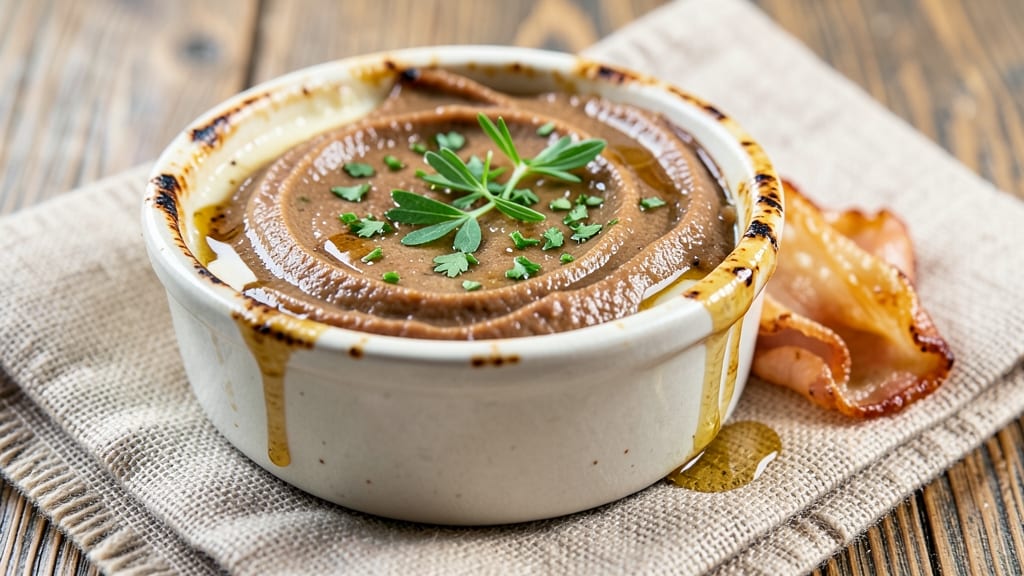
This baked chicken liver pâté recipe delivers a velvety, herb-infused spread that transforms simple ingredients into something luxurious. The secret lies in slow cooking the livers until tender, then blending them with butter and aromatics until silky smooth.
I developed this version after years of perfecting the texture—no graininess, just rich, spreadable perfection with every bite.
What sets this recipe apart is the balance of earthy liver flavor and bright herbs, elevated by toasted nuts that add subtle crunch. The baking method ensures even cooking without drying out, while a final chill creates that signature pâté firmness.
This isn't just an appetizer—it's a showstopper that pairs beautifully with crusty bread or pickled vegetables.
By the time you're done, you'll have a pâté so rich and flavorful it belongs on any table. The herbs infuse deeply during baking, while the butter creates that signature melt-in-your-mouth texture.
Serve it chilled and sliced for elegant presentation, or spread it directly on toasted baguette slices for a rustic touch.
The beauty of this recipe is its versatility—use it as an appetizer, sandwich filling, or even a flavorful topping for roasted vegetables. The nutty depth from toasted walnuts or hazelnuts adds complexity that makes this pâté stand out from basic liver spreads. Let's create something truly special.
Ingredients for baked chicken liver pate
Earthy livers, aromatic herbs, and nutty crunch transform into a luxurious pâté with velvety texture.
| Ingredient | Amount | Notes |
|---|---|---|
| Chicken Livers 🍗 | 1 lb | Fresh, trimmed of connective tissue |
| Unsalted Butter 🧈 | ½ cup | Cold, cubed for even cooking |
| Shallots 🧅 | 4 whole | Minced, for aromatic depth |
| Garlic Cloves 🧄 | 4 cloves | Peeled, finely chopped |
| Fresh Tarragon 🌿 | ¼ cup | Chopped, stems removed |
| Fresh Parsley 🌿 | ¼ cup | Chopped, flat-leaf preferred |
| Walnuts 🥜 | ½ cup | Toasted, roughly chopped |
| Heavy Cream 🥛 | ½ cup | Full-fat for richness |
| Diamond Crystal Kosher Salt 🧂 | 1 tsp | For seasoning and balance |
| Freshly Ground Black Pepper 🌶️ | ½ tsp | Cracked, not powdered |
| Baguette Slices 🍞 | 8 pieces | For serving, lightly toasted |
| Extra-Virgin Olive Oil 🫒 | 2 tbsp | For finishing and drizzling |
The chicken livers are the foundation—freshness is critical here. Look for bright red, moist livers at your local butcher or specialty market, like D'Artagnan or Whole Foods, where they're handled with care. Trim any connective tissue or silver skin before use, as these can make the pâté gritty. The butter should be cold and cubed when baking to prevent overcooking, while the nuts need toasting for depth—toast walnuts in a dry pan over medium heat until fragrant. Shallots and garlic should be finely minced to blend seamlessly into the texture, and fresh herbs are non-negotiable for that bright, aromatic punch.
No tarragon? Fresh thyme or marjoram work in a pinch, though the flavor will differ slightly. Substitute walnuts with toasted hazelnuts or pecans for a different nutty profile, but keep the toasting step. For a dairy-free version, replace heavy cream with full-fat coconut cream, though texture may vary slightly. The pâté can be made ahead—chill for 4 hours before serving to achieve that signature firmness, or freeze for up to 3 months in an airtight container. If using pre-minced shallots or garlic, ensure they're freshly opened—jarred versions often contain preservatives that can alter flavor.
Store the pâté in an airtight container in the refrigerator for up to 5 days, covered with a thin layer of olive oil to preserve freshness. For serving, slice chilled pâté into 1/4-inch rounds for elegant presentation, or spread directly on toasted baguette slices. The texture will soften slightly at room temperature, so plan accordingly. If making ahead for a party, portion into small ramekins—they double as serving dishes. The pâté pairs beautifully with pickled vegetables or crusty bread, making it versatile for both appetizers and sandwich fillings.
Why You'll Love This Recipe
- No-Fuss Baking: I swear, this recipe is the opposite of fussy. You just toss the livers in a dish with butter, shallots, and garlic, then let the oven do the work—no constant stirring, no watching the pot. Honestly, I’ve made it while scrolling through my phone.
- Rich, Earthy Depth: That tarragon? It’s the secret weapon. The butter melts into the livers until it’s silky, but the crispy edges add texture, and the shallots caramelize just enough to make every bite taste like a little flavor bomb. Not the prettiest, but the taste makes up for it.
- Weeknight to Party: Between us, this pate is my go-to for when I’m feeding a crowd but don’t want to slave over it. Serve it with crusty bread for a casual dinner, or dollop it on toasted baguettes for a fancy appetizer. (Yes, even on a Tuesday night.)
- Budget-Friendly Luxury: Chicken livers are cheap, but they taste like a splurge. A single batch stretches for days—spread it on crackers, mix it into pasta, or even stuff it into crepes. Took me three tries to get the texture right, but now it’s my secret weapon for stretching meals without sacrificing flavor.
Step-by-step instructions for baked chicken liver pâté
Transform rich chicken livers into a velvety, herb-infused pâté with this precise method.
Prepare and Sear the Chicken Livers
Pat the 1 lb chicken livers thoroughly dry with paper towels, removing any connective tissue or silver skin. This step is critical—moisture will cause your pâté to steam instead of render properly. Trim any large veins or tough bits, reserving only the cleanest meat.
Heat a large skillet over medium-high heat and melt 0.25 cup of the 0.5 cup unsalted butter (reserve the remaining for later). Add the chicken livers in a single layer, being careful not to overcrowd. Sear for 2-3 minutes per side until they develop a deep golden-brown crust and release easily from the pan. The livers should be cooked through but still slightly pink in the center—overcooking will make them tough. Transfer to a plate and set aside.
Here's the thing—chicken livers cook fast. If they brown too quickly, reduce heat slightly. You're aiming for a perfect sear that locks in flavor without overcooking the delicate meat.
Build the Flavor Base with Shallots and Garlic
In the same skillet (no need to clean it—the browned bits are flavor gold), reduce heat to medium and add the remaining 0.25 cup unsalted butter. Toss in the 4 whole minced shallots and cook for 4-5 minutes until they soften and turn translucent, releasing their sweet aroma.
Add the 4 cloves finely chopped garlic and continue cooking for 30 seconds until fragrant but not browned. Garlic burns quickly—watch it closely. At this point, your skillet should smell like a French countryside kitchen, with layers of caramelized shallots and garlic mingling with the chicken liver essence.
Real talk: If your shallots start to stick before softening, add a splash of water or white wine to deglaze. The goal is even cooking without burning the aromatics.
Process the Ingredients for Silky Texture
Transfer the seared chicken livers, shallot mixture, 0.25 cup chopped fresh tarragon, 0.25 cup chopped fresh parsley, 0.5 cup toasted walnuts, 1 tsp Diamond Crystal kosher salt, and 0.5 tsp freshly ground black pepper to a food processor fitted with the metal blade. Pulse 3-4 times to create a coarse texture—you want visible bits of walnuts and herbs for texture contrast, not a completely smooth paste.
With the processor running, slowly drizzle in the 0.5 cup heavy cream. This gradual addition prevents the mixture from becoming oily. Process until the pâté reaches a smooth, spreadable consistency, scraping down the sides as needed. The texture should be velvety but still hold its shape when piped—like thick, luxurious frosting.
This is the moment that matters: If the mixture looks too dry, add 1 teaspoon of water at a time until it reaches the perfect consistency. Too wet? Add a few more walnuts to absorb excess moisture.
Bake for Perfect Texture and Flavor Development
Transfer the pâté to a 4×4-inch baking dish or ramekin and smooth the top with a spatula. Drizzle the 2 tbsp extra-virgin olive oil evenly over the surface. This creates a protective barrier that prevents drying during baking.
Bake in a 350°F oven for 20-25 minutes until the center reaches 160°F on an instant-read thermometer. The pâté should be set but still slightly jiggly in the center—this ensures it remains spreadable when served. If the top browns too quickly, tent loosely with foil.
Don't skip this baking step. It's what transforms raw ingredients into a restaurant-quality pâté with deep, developed flavors and perfect texture.
Chill and Serve with Crisp Baguette
Remove the pâté from the oven and let it cool at room temperature for 10 minutes, then refrigerate for at least 2 hours (or up to 3 days). This chilling time is essential—it allows flavors to meld and the texture to firm up just enough to hold its shape when spread.
Before serving, toast the 8 pieces baguette slices lightly in a dry skillet over medium heat for 1-2 minutes per side until golden and crisp. Spoon or pipe the chilled pâté onto the toasted baguette slices, drizzle with any remaining olive oil from the baking dish, and garnish with additional chopped tarragon or parsley.
The perfect pâté should be rich, silky, and packed with nutty depth from the walnuts and herbal brightness from the tarragon. Each bite should deliver that luxurious mouthfeel with every element—herbs, nuts, and tender chicken liver—perfectly balanced.
Pro Tips For Making Baked Chicken Liver Pate
- Trim the Membranes: Chicken livers hide a bitter, fibrous membrane on the fat side—peel it off before cooking. I learned this the hard way when my first batch tasted off; now I use kitchen scissors to slice and flick it away like a bad tattoo. No knife required, just patience.
- Sweat Shallots Low: Shallots should melt into a glossy paste, not brown into oblivion. Cook them on medium-low with a splash of water or white wine, stirring every 30 seconds. Burning them turns your pate into a sad, bitter mess—trust me, I’ve done it twice.
- Chill Before Blending: Cold livers blend smoother and yield a velvety texture. After searing, transfer them to an ice bath for 10 minutes—this also stops cooking and makes the final pate look professional. Skip this, and you’ll fight a food processor rebellion.
- Butter in Stages: Don’t dump all the butter at once—fold in half now, half later. The first batch cooks the shallots and garlic, while the second melts into the finished pate for a richer mouthfeel. Greedy? Maybe. Worth it? Absolutely.
Creative variations of this dish
Herb Variations
Swap the tarragon and parsley for other aromatic herbs to match your taste. Try fresh thyme and marjoram for a more rustic, earthy flavor profile that pairs beautifully with the liver's richness.
For a brighter twist, add chopped chives and dill—about 2 tbsp each—which introduce a fresh, almost citrusy note that cuts through the fattiness. If you love heat, stir in 1 tsp finely chopped fresh rosemary and ½ tsp red pepper flakes for a smoky kick. 🌿
Nutty Twists
Toasted walnuts are classic, but experiment with other nuts for different textures and flavors. For a sweeter profile, use ½ cup toasted hazelnuts—their buttery richness complements the liver beautifully. Pecans add a buttery crunch, while ¼ cup toasted almonds bring a slightly floral note.
For a bolder flavor, try ¼ cup toasted pine nuts, though they’re pricier. Always toast the nuts until fragrant to enhance their depth.
Dairy-Free Adaptations
Replace the heavy cream with ½ cup full-fat coconut cream for a dairy-free version, though the texture will be slightly denser. For a lighter touch, blend ¼ cup unsweetened almond milk with ¼ cup melted coconut oil to mimic the cream’s richness.
To keep the pâté spreadable, add 1 tbsp extra olive oil during processing. The flavor won’t be identical, but it’s a great compromise for those avoiding dairy. 🥥
Smoky & Spiced
Add depth with ½ tsp smoked paprika or ¼ tsp cayenne pepper for a subtle smokiness that pairs perfectly with the liver’s earthiness. For warmth, infuse the butter with 1 tsp chopped fresh sage while melting it in the skillet—this adds a piney aroma that elevates the pâté.
If you love bold flavors, stir in ½ tsp ground cumin during processing for a Middle Eastern-inspired twist.
Sweet & Savory
Balance the richness with a touch of sweetness by adding 1 tbsp honey or maple syrup during processing. This works especially well with the nutty depth of walnuts or hazelnuts.
For a fruitier note, fold in 2 tbsp finely chopped dried apricots or figs (soaked in warm water for 10 minutes first) for a jammy texture. This variation shines when served on toasted baguette slices with a drizzle of honey. 🍯
Nutrition facts
Frequently asked questions
Can I use beef or duck livers instead of chicken livers?
Beef livers add a deeper, slightly gamey flavor while duck livers create a richer, more decadent pâté. For beef, reduce cooking time slightly as they're denser. Duck livers should be trimmed of any blood vessels and seared gently to avoid overcooking. Adjust the butter quantity by 10% more for duck due to their higher fat content.
Why does my pâté turn out grainy or dry?
Graininess usually means the livers weren't cooked enough or the mixture wasn't processed long enough. Always sear livers until fully cooked (no pink centers) and process until completely smooth. For dryness, ensure you're using enough butter and cream—add 1 tbsp more cream if needed during processing. Chill thoroughly before serving to achieve proper texture.
How long can I make this ahead of time?
This pâté keeps beautifully for 5 days in the refrigerator when stored in an airtight container with a layer of olive oil on top. For longer storage, freeze for up to 3 months. Thaw overnight in the fridge—never at room temperature—and let sit at room temperature for 30 minutes before serving to soften slightly. The flavors actually improve with time!
What's the best way to serve this pâté?
Classic presentation is on toasted baguette slices arranged on a platter with pickled vegetables or cornichons for acidity. For an elegant touch, pipe the chilled pâté into ramekins and garnish with fresh herbs. It also makes a luxurious sandwich filling—try it with provolone cheese and mustard on crusty bread. Always serve chilled for best texture!
Can I make this recipe without a food processor?
Yes, but you'll need to work carefully. Use a mortar and pestle to finely chop the cooked livers, shallots, and garlic, then mix with the herbs and nuts by hand. Gradually fold in the cream until fully incorporated. For the smoothest texture, consider using a hand mixer or immersion blender to blend the mixture after chopping. The texture will be slightly less refined but still delicious!