
Main Courses
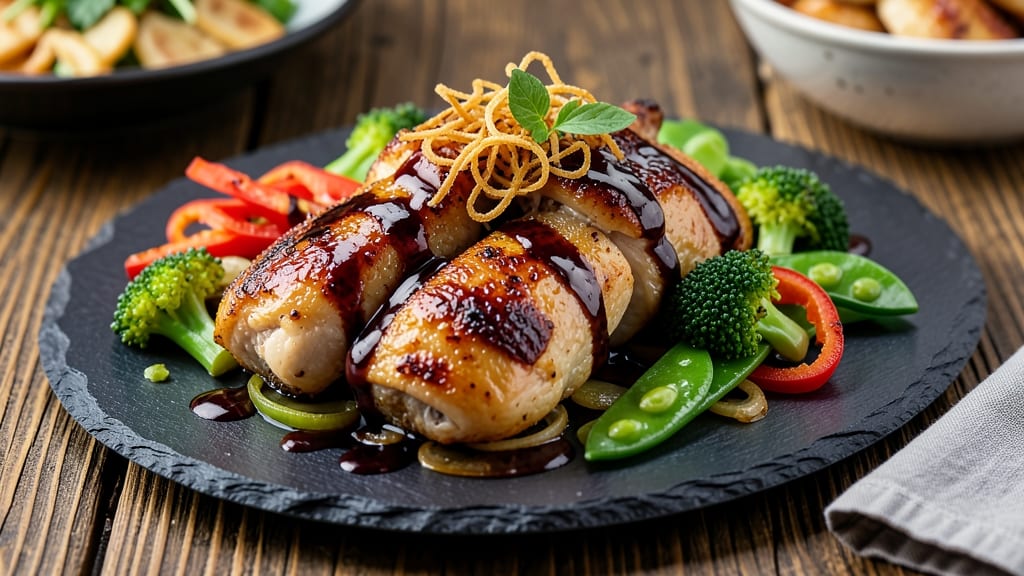
This balsamic chicken stir fry delivers restaurant-quality wok magic in just 20 minutes, balancing sweet, tangy, and savory flavors perfectly. The secret lies in high-heat searing for crispy chicken and a reduced balsamic glaze that caramelizes into a glossy, complex sauce.
After years of perfecting this dish, I've simplified it without sacrificing depth—no fancy techniques, just bold flavors and a foolproof method.
What sets this stir fry apart is the sauce—balsamic vinegar simmered with brown sugar and soy sauce until thick and syrupy, then finished with a splash of red wine for brightness.
The chicken stays juicy while developing a caramelized crust, and the vegetables (bell peppers, broccoli, snap peas) retain their crisp-tender texture. This is the kind of weeknight dinner that feels like a special occasion.
By the time you plate it, you'll have golden-brown chicken pieces glistening with that glossy balsamic glaze, vibrant vegetables, and a sauce that's both sweet and tangy. The aroma alone will have everyone at the table asking what's for dinner.
Serve it over steamed jasmine rice or noodles for the full experience—this stir fry is designed to impress without the fuss.
The beauty of this recipe is its versatility. Swap in whatever vegetables you have on hand, or use shrimp instead of chicken. The sauce works equally well as a marinade or drizzle for grilled meats. Let's get cooking—this dish comes together faster than you can say "wok hei."
Ingredients for balsamic chicken stir fry
Sweet-tangy balsamic glaze meets crispy chicken and vibrant veggies for a weeknight dinner that feels special.
| Ingredient | Amount | Notes |
|---|---|---|
| Boneless, Skinless Chicken Thighs 🍗 | 1 ½ lb | Cut into 1-inch pieces |
| Bell Peppers 🧅 | 2 whole | Any color, sliced into strips |
| Broccoli Florets 🥦 | 2 cups | Cut into bite-sized pieces |
| Snap Peas 🌱 | 1 cup | Trimmed if needed |
| Balsamic Vinegar 🍷 | ½ cup | High-quality aged balsamic |
| Brown Sugar 🍚 | 2 tbsp | Light or dark variety |
| Soy Sauce 🥢 | 2 tbsp | Low-sodium preferred |
| Red Wine 🍷 | ¼ cup | Dry variety like Cabernet |
| Vegetable Oil 🫒 | 2 tbsp | High smoke point preferred |
| Garlic Cloves 🧄 | 4 cloves | Minced finely |
| Ginger Root 🌿 | 1 tbsp | Freshly grated |
| Sesame Oil 🫒 | 1 tsp | For finishing touch |
| Salt 🧂 | 1 tsp | Kosher or sea salt |
| Black Pepper 🌶️ | ½ tsp | Freshly ground |
| Jasmine Rice 🍚 | 1 ½ cups | Uncooked, for serving |
The chicken thighs are key here—they stay juicy while developing that perfect caramelized crust. Look for bone-in, skin-on thighs at the grocery store (the butcher section usually has the best quality), but boneless works too. Cut them into even 1-inch pieces so they cook uniformly. The balsamic vinegar should be aged balsamic—the thicker, the better. Trader Joe's and Whole Foods carry great options, but any bottle labeled "aged" will do. For the vegetables, buy fresh but don't stress if they're not perfect—bell peppers can be slightly soft, broccoli can have a few yellow florets. The snap peas? Trim the ends, but leave them whole for that classic stir-fry look.
No aged balsamic? Regular balsamic vinegar plus 1 tbsp maple syrup works in a pinch. Short on red wine? Dry white wine or extra chicken broth keeps the brightness. The soy sauce can be swapped for coconut aminos if you're avoiding sodium. For the vegetables, feel free to mix and match—snap peas, carrots, or mushrooms all play well here. The garlic and ginger? Fresh is best, but if you're using dried, cut the amount in half. And if you're worried about the chicken drying out, pound the pieces slightly thinner before cooking—it makes all the difference.
This stir fry tastes even better the next day, so double the sauce if you're feeding a crowd. Store leftovers in an airtight container for up to 4 days in the fridge. The sauce freezes beautifully too—portion it into ice cube trays for easy drizzling later. For the rice, cook it ahead and keep warm in a rice cooker or insulated container—it stays fluffy for hours. And if you've got extra sauce, drizzle it over grilled salmon or steak next time. It's that versatile.
Why You'll Love This Recipe
- One-Pan Magic: I swear by this for nights when I’m too tired to wash a million dishes. Toss everything—chicken, peppers, broccoli, peas—onto one sheet pan, drizzle with balsamic, and let the oven do the work. The veggies caramelize right alongside the chicken, and cleanup? One spatula, one wipe-down.
- Balsamic Glow-Up: That tangy-sweet balsamic reduction clings to the chicken like a flavor hug. It’s not just sweet—it’s got this deep, umami richness that makes the snap peas taste like they’re begging for another bite. Honestly, the first time I tried it, I nearly licked the pan.
- Meal Prep MVP: Between us, this is my go-to for lunch all week. The flavors only get better after a night in the fridge, and it reheats like a dream. Pack it in containers, grab it on the go, or serve it cold over rice—no one’s judging.
- Budget-Friendly Feast: Chicken thighs stretch further than breasts, and frozen veggies work just as well. A splash of balsamic turns basic ingredients into something that feels special—no fancy sauce required. My wallet and my family both approve. (Yes, even on a Tuesday night.)
Step-by-step instructions for balsamic chicken stir fry
Here's how to create a restaurant-quality stir fry with tender chicken and vibrant vegetables.
🍳 Step 1: Cook the Jasmine Rice to Perfection
Rinse the 1.5 cups jasmine rice under cold water until the water runs clear—this removes excess starch and prevents gummy rice. Drain well in a fine-mesh strainer. In a medium saucepan, combine the rice with 3 cups water (yes, it's a 1:2 ratio) and bring to a boil over high heat. Once boiling, reduce to low heat, cover with a tight-fitting lid, and simmer for 15 minutes. Turn off the heat and let it steam, covered, for another 10 minutes. Fluff with a fork and keep warm until serving.
I like to use a heavy-bottomed pot for even heat distribution—this prevents hot spots that can create unevenly cooked rice. If you're short on time, you can use a rice cooker instead, following the manufacturer's instructions for jasmine rice.
🍳 Step 2: Sear the Chicken Until Golden Brown
Heat 2 tablespoons vegetable oil in a large wok or skillet over medium-high heat until shimmering. Add the 1.5 lb boneless, skinless chicken thighs, cut into 1-inch pieces, and cook undisturbed for 3-4 minutes until golden brown on one side. Flip and cook another 3-4 minutes until fully cooked through and golden on all sides.
Here's the thing—don't overcrowd the pan. If you're working in batches, let the chicken rest for 2 minutes between batches to maintain the pan's heat. The chicken should be cooked to an internal temperature of 165°F—use a meat thermometer to check if you're unsure. Once done, remove the chicken and set it aside on a plate.
🍳 Step 3: Stir-Fry the Vegetables Until Crisp-Tender
In the same wok, add 2 tablespoons vegetable oil and increase heat to high. Add the 2 whole bell peppers, sliced into strips, and stir-fry for 3 minutes until they begin to soften. Add the 2 cups broccoli florets and 1 cup snap peas, then stir-fry for another 4-5 minutes until the vegetables are crisp-tender—bright green and just slightly softened but still with a bite.
Watch the heat carefully—you want the vegetables to cook quickly over high heat to retain their color and crunch. If they start to brown too quickly, reduce the heat slightly. The snap peas should still have a bit of snap, and the broccoli should hold its shape but be tender enough to pierce easily with a fork.
🥘 Step 4: Create the Balsamic Sauce
Reduce the heat to medium and add the 4 cloves minced garlic and 1 tablespoon freshly grated ginger root. Cook for 30 seconds until fragrant—you should smell that aromatic punch of garlic and ginger. Pour in the 0.25 cup red wine and scrape up any browned bits from the bottom of the pan with a wooden spoon. Let it simmer for 2 minutes until the wine reduces by half.
Next, add the 0.5 cup balsamic vinegar, 2 tablespoons brown sugar, 2 tablespoons soy sauce, 1 teaspoon salt, and 0.5 teaspoon black pepper. Stir well and let the sauce simmer for 3-4 minutes until it thickens slightly and coats the back of a spoon. This is where the magic happens—the sweetness of the brown sugar and balsamic vinegar combines with the umami of the soy sauce to create a glossy, tangy-sweet glaze.
🍽️ Step 5: Combine and Finish with Sesame Oil
Return the chicken to the wok and stir everything together for 1-2 minutes until the chicken is coated in the sauce and heated through. Taste and adjust the seasoning if needed—you might want to add a splash more soy sauce for saltiness or a touch more brown sugar for sweetness.
Remove the stir fry from heat and drizzle with 1 teaspoon sesame oil. Toss gently to distribute the oil evenly—this adds a nutty aroma and rich depth of flavor. Serve the balsamic chicken stir fry immediately over the jasmine rice, garnished with extra sesame oil and a sprinkle of black pepper if desired. Enjoy while it's hot, with the sauce clinging beautifully to every bite of chicken and vegetable.
Pro Tips For Making Balsamic Chicken Stir Fry
- CUT CHICKEN SMALLER: I used to leave chunks too big, and they’d turn rubbery while the smaller veggies got mushy. Aim for 1-inch pieces—no larger than a poker chip—and slice the thighs against the grain. The sauce will cling better, and every bite will be tender.
- SALT CHICKEN FIRST: Skip this, and you’ll end up with bland chicken no matter how much balsamic you toss in later. Pat the thighs dry, then season generously with salt and pepper before searing. Let them sit for 10 minutes—this guarantees juicy, flavor-packed meat.
- ADD VEGGIES IN ORDER: Broccoli and snap peas straight into a hot pan? They’ll turn to mush before the chicken’s done. Start with bell peppers (they take the longest), then add broccoli 2 minutes later, and snap peas last. Crowd the pan? They’ll steam instead of sear.
- DEGLAZE WITH BOTH VINEGAR AND WATER: I was lazy and just used balsamic vinegar for the sauce—big mistake. The acid overpowers everything. After searing, splash in 2 tablespoons of water first, scrape up the browned bits, then add the balsamic. The balance is what makes it sing.
Regional styles of this dish
Italian Balsamic Twist
In Italy, this stir fry transforms into a Balsamic Chicken alla Milanese—a dish where the balsamic glaze becomes the star.
Use 2 tablespoons of aged balsamic reduction (found in Italian markets or specialty stores) instead of regular balsamic vinegar, and add 1 tablespoon of lemon zest to brighten the sauce. The Italians often serve this with polenta or freshly grilled bread to soak up the sauce.
For extra authenticity, finish with fresh basil leaves torn by hand—it adds a fragrant, herbal note that ties everything together. 🍷
Thai-Inspired Fusion
For a Thai-inspired take, swap the red wine for 2 tablespoons of fish sauce and add 1 tablespoon of lime juice to the balsamic mixture. Stir in 1 teaspoon of Thai red curry paste (like Maesri) and a pinch of turmeric for warmth.
Use red bell peppers and Thai eggplant for the vegetables, and finish with fresh cilantro and crushed peanuts for texture. Serve over jasmine rice or rice noodles for a quick, flavor-packed meal. 🌶️
Japanese Teriyaki Fusion
Combine the best of both worlds with a Japanese-inspired teriyaki-balsamic glaze. Reduce the balsamic vinegar with 1 tablespoon of mirin and 1 tablespoon of sake instead of red wine. Add 1 teaspoon of grated ginger and 1 tablespoon of honey to the sauce for a sweeter, glossier finish.
Use shredded bonito flakes (optional) for a smoky aroma, and garnish with sesame seeds and green onions. This version works beautifully with udon noodles or steamed white rice. 🍜
American BBQ Balsamic
Give it a Southern twist by adding 1 tablespoon of smoked paprika and 1 teaspoon of liquid smoke to the balsamic sauce. Use chicken thighs with the skin on for extra flavor, and serve over cornbread or buttery mashed potatoes.
Top with pickled red onions and crumbled blue cheese for a tangy, creamy contrast. This hearty version is perfect for a weekend family dinner. 🔥
Vegetarian Adaptation
Swap the chicken for extra-firm tofu pressed and cubed, or mushroom stems (like shiitake or portobello) for a meaty texture. Marinate the tofu in 1 tablespoon of soy sauce and 1 teaspoon of cornstarch for crispiness.
Add edamame and bok choy to the vegetable mix for extra protein. The balsamic sauce remains the same, but drizzle with toasted sesame oil and scallions for a satisfying vegetarian meal. 🌱
Spicy Korean Kimchi Stir-Fry
For a Korean-inspired version, stir ½ cup of kimchi (chopped) into the vegetables while cooking. Add 1 tablespoon of gochujang (Korean chili paste) to the balsamic sauce for heat, and finish with sesame seeds and thinly sliced green onions.
Serve over steamed rice or mandu (dumplings) for a bold, spicy kick. This version is a crowd-pleaser for anyone who loves bold flavors. 🌶️
Nutrition facts
Frequently asked questions
Can I use chicken breast instead of thighs?
Chicken breast works, but thighs stay juicier during stir-frying. If you prefer breast, cut it into ½-inch thick pieces and cook them for just 2-3 minutes per side over medium-high heat to prevent drying. Pound the pieces slightly thinner to ensure even cooking.
How do I make the sauce thicker or thinner?
For a thicker sauce, simmer it uncovered for 1-2 extra minutes to reduce further. Need it thinner? Add 1 tablespoon water or chicken broth at a time until it reaches your desired consistency. The sauce should coat the back of a spoon but still be pourable.
What's the best way to reheat leftovers?
Reheat in a skillet over medium heat with 1 teaspoon sesame oil for 2-3 minutes until everything is warmed through. Avoid microwaving—it makes the sauce watery. For extra flavor, add a splash of water or broth and cover the pan for 30 seconds to steam.
Can I make this gluten-free?
Yes! Swap the soy sauce for coconut aminos or tamari (gluten-free soy sauce). Check your balsamic vinegar label—some brands process in gluten-containing facilities. For extra flavor, add 1 teaspoon gluten-free fish sauce or ½ teaspoon nutritional yeast to the sauce.
Why did my sauce turn out too sweet?
This happens when the balsamic vinegar isn't fully reduced or if you used too much brown sugar. Next time, reduce the brown sugar to 1 tablespoon and taste the sauce before adding all the sugar. A splash of lemon juice or rice vinegar can balance excess sweetness by adding acidity.