
Sauces & Condiments
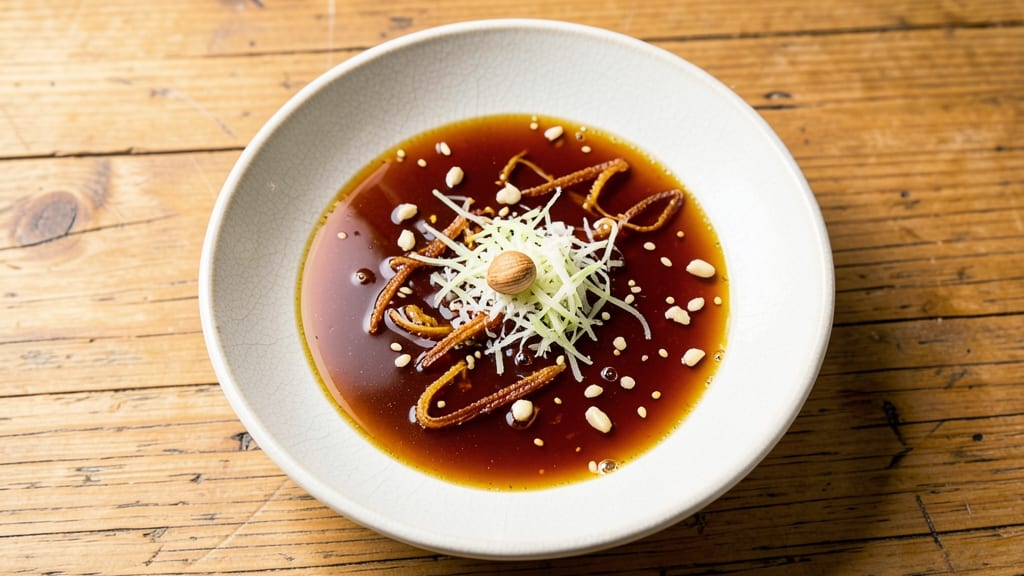
This basic chicken stir-fry sauce recipe transforms pantry staples into a umami-packed foundation that elevates any stir-fry in minutes. The secret lies in balancing sweet, salty, and tangy elements—just 6 simple ingredients create depth that rivals restaurant-quality sauces.
I developed this blend after years of testing, ensuring it works with both traditional wok dishes and modern quick meals.
What sets this sauce apart is its versatility: use it as-is for classic stir-fries, or customize with garlic, ginger, or chili for extra punch. The sauce thickens slightly as it cools, making it perfect for storage—just shake before each use.
No special equipment needed beyond a small saucepan and whisk, and it comes together in 10 minutes flat.
The result is a glossy, aromatic sauce that coats proteins and vegetables perfectly, delivering that signature stir-fry sheen and flavor. Each component plays a role—soy sauce for saltiness, vinegar for tang, and sugar to balance—while sesame oil adds a nutty finish.
This isn’t just a sauce; it’s the backbone of countless meals.
Whether you’re prepping for a weeknight dinner or meal prepping, this sauce keeps well in the fridge for up to 2 weeks. Double the batch and store it in the freezer for even longer shelf life. Ready to master the art of stir-fry sauce? Let’s get started.
Ingredients for basic chicken stir fry sauce
Six pantry staples create the perfect umami-packed stir-fry sauce foundation for any wok dish.
| Ingredient | Amount | Notes |
|---|---|---|
| Soy Sauce 🍶 | ½ cup | Light or dark variety preferred |
| Rice Vinegar 🍶 | ¼ cup | White or seasoned vinegar |
| Granulated Sugar 🍚 | 2 tbsp | Brown sugar for deeper flavor |
| Sesame Oil 🫒 | 1 tbsp | Toasted sesame oil preferred |
| Garlic Cloves 🧄 | 3 cloves | Minced for flavor infusion |
| Fresh Ginger 🌿 | 1 tbsp | Grated, for aromatic depth |
The soy sauce is the backbone of this blend—Kikkoman or La Choy are reliable choices for consistent flavor. If you prefer a deeper umami kick, dark soy sauce works beautifully. For vinegar, Miyoko’s or Bragg offer clean, tangy profiles that won’t overpower the sauce. The sesame oil should be toasted (not the flavored kind)—Kadoya or La Tourangelle are solid options. Fresh ginger and garlic are non-negotiable for authentic flavor, but if you’re short on time, jarred minced garlic or pre-grated ginger from the produce section will work in a pinch.
No sesame oil? Toasted peanut oil or avocado oil can mimic the nutty finish, though the flavor will differ slightly. Running out of rice vinegar? Apple cider vinegar or white wine vinegar both work, though apple cider adds a subtle sweetness. The sugar can be swapped for honey (use sparingly) or maple syrup, but granulated keeps it classic. For extra depth, add a dash of fish sauce (if not vegetarian) or a pinch of white pepper—both enhance the umami without overpowering. If you’re making this ahead, store the garlic and ginger separately until ready to use for maximum freshness.
This sauce thickens as it cools, making it perfect for 1-2 weeks in the fridge when stored in an airtight container. For longer storage, freeze in ice cube trays—thaw and shake before use. The sauce pairs beautifully with chicken, shrimp, tofu, or vegetables, so double the batch if you’re prepping for multiple meals. If the sauce separates after refrigeration, give it a quick whisk before using. For extra richness, stir in 1 tsp of cornstarch slurry before serving.
Why You'll Love This Recipe
- Five-Ingredient Magic: I swear by this combo—soy sauce, vinegar, sugar, sesame oil, and garlic. That’s it. No fancy pantry raids, no last-minute grocery runs. Honestly, I keep all of them in my fridge freezer or pantry anyway, so it’s like I’m already halfway done before I even start.
- Umami Bomb: The garlic hits first—sharp and bright—then the soy sauce wraps around it like a warm hug. That little splash of sesame oil? It’s the secret weapon that turns "meh" into "I’d eat this every night." Between us, I’ve tried store-bought sauces, but this beats them every time.
- Weeknight to Party: Same sauce, endless uses. Toss it with chicken, noodles, or even cold rice for takeout vibes. Need to impress guests? Double the batch, add a splash of honey, and suddenly it’s fancy enough for company. (Yes, even on a Tuesday night.)
- Leftovers That Don’t Suck: Make a big batch—it keeps for weeks in the fridge—and the flavor only gets better. Freeze half for lazy days when you’re too tired to cook. I’ll be real: this sauce turns sad takeout containers into something that tastes like you actually care. Budget-friendly? Absolutely. Worth it? Always.
Step-by-step instructions for umami-packed stir fry sauce
This sauce comes together in minutes with pantry staples you already own.
Prepare the Aromatics
In a small bowl, finely mince the 3 cloves garlic and grate the 1 tablespoon fresh ginger using a microplane or fine grater. You want the ginger to resemble tiny grains rather than thick slices—this ensures even distribution and maximum flavor infusion. Set these aside while you measure the remaining ingredients.
The freshness of these aromatics makes all the difference. If using pre-minced garlic or jarred ginger, drain well to remove excess moisture, which can dilute your sauce. Freshly grated ginger releases its essential oils immediately, giving the sauce that signature zing.
Combine Wet Ingredients
In a medium bowl, whisk together the 0.5 cup soy sauce, 0.25 cup rice vinegar, and 2 tablespoons granulated sugar until the sugar fully dissolves. The mixture should be smooth with no visible sugar crystals remaining. I like to use a fork for this step—it's simple and effective.
This combination creates the perfect balance of salty, tangy, and sweet flavors. The rice vinegar adds brightness that cuts through the richness of the soy sauce, while the sugar rounds out the acidity. Stir well to ensure even distribution of all ingredients before proceeding.
Infuse with Flavor Oils
Add the minced garlic and grated ginger to the wet mixture, followed by the 1 tablespoon sesame oil. Stir thoroughly to combine, allowing the garlic and ginger to steep in the sauce for 5 minutes at room temperature. This brief infusion period lets the aromatics release their full flavor potential.
Here's where the magic happens: the sesame oil carries the heat from the garlic and ginger, creating a complex aroma that will elevate your stir fry. Don't skip this waiting time—it's what transforms a simple sauce into something truly special. The sauce should smell rich and aromatic, with notes of garlic, ginger, and toasted sesame.
Adjust and Simmer (Optional)
For a smoother sauce, strain the mixture through a fine-mesh sieve to remove any ginger fibers or garlic pieces. Return the strained sauce to the bowl. Taste and adjust the seasoning if needed—you might want to add a pinch more sugar to balance the acidity or a splash of water to thin the consistency for your preferred texture.
If you prefer a thicker sauce, simmer the mixture in a small saucepan over low heat for 3-5 minutes, stirring occasionally, until slightly reduced. This step isn't necessary but can help intensify the flavors. The sauce should coat the back of a spoon but still be pourable—this is ideal for tossing with vegetables and protein.
Use Immediately or Store
Your stir fry sauce is now ready to use. For immediate serving, pour it over hot stir fried chicken, vegetables, or noodles. The sauce will meld beautifully with the high heat of your wok or skillet, creating steam that carries those aromatic flavors throughout your dish.
For storage, transfer the sauce to an airtight container and refrigerate for up to 5 days. If the sauce thickens upon refrigeration, simply stir in a splash of warm water to return it to your desired consistency. This sauce keeps well and makes an excellent base for quick weeknight meals.
Pro Tips For Making Basic Chicken Stir Fry Sauce
- MINCE THAT GARLIC: I used to crush garlic cloves with the flat of my knife—until I realized it releases bitter compounds. Now I finely mince it (about 3-4 cloves) and let it sit in the sauce for 2 minutes before adding heat. That way, the flavor infuses without turning acrid.
- WHISK THE SESAME OIL LAST: Add sesame oil at the very end, right when you’re plating. Stir it in just enough to coat the sauce—any earlier, and its nutty aroma burns off in the heat. (Yes, even if you’re impatient like me.)
- DILUTE THE SOY SAUCE FIRST: Mix the soy sauce with a splash of hot water (about 1 tbsp per 2 tbsp soy) before combining with the rest. This prevents clumping when you add sugar later and keeps the sauce silky smooth. Trust me, your stir-fry won’t taste like glue.
- SWEETEN THE SAUCE GRADUALLY: Start with half the sugar called for, taste, then adjust. Sugar burns fast when you’re rushing, and once it caramelizes, you can’t undo it. A little patience here means no bitter aftertaste. (Your future self will notice.)
Best sauces and condiments for this recipe
Classic Stir-Fry Sauce
This foundational sauce is your go-to for any stir-fry, balancing soy sauce, rice vinegar, and sesame oil for that signature umami-tangy-sweet profile. The 3 cloves minced garlic and 1 tbsp grated ginger infuse the sauce with aromatic depth, while 2 tbsp granulated sugar rounds out the acidity.
It's the perfect canvas for quick weeknight meals or meal prep—just toss with your favorite proteins and veggies. 🍶
Spicy Chili-Garlic Twist
For heat lovers, stir 1 tsp chili garlic sauce (like La Choy) or ½ tsp gochujang into the finished sauce. Add ½ tsp red pepper flakes or 1 tbsp sriracha for extra kick.
This variation works especially well with shrimp or tofu stir-fries, where the heat complements the natural sweetness. Keep the sesame oil to ½ tbsp to avoid overpowering the spice.
Sweet and Sticky Teriyaki Style
Swap the rice vinegar for 2 tbsp mirin and add 1 tbsp honey or maple syrup to the wet ingredients. Use dark soy sauce for deeper color and richness.
This version is ideal for glazing grilled chicken or salmon—simmer the sauce for 3-5 minutes to thicken it into a glossy glaze. Finish with a drizzle of toasted sesame seeds for texture.
Creamy Coconut-Lime Sauce
Replace the rice vinegar with 2 tbsp lime juice and stir in 2 tbsp coconut aminos (or reduce soy sauce to ¼ cup). Add 1 tbsp coconut milk for creaminess and ½ tsp turmeric for color.
This tropical twist pairs beautifully with chicken, pineapple, or bell peppers. The lime brightens the sauce while the coconut adds a subtle sweetness that balances the umami.
Umami Bomb with Mushrooms
For extra depth, sauté 2 tbsp finely chopped shiitake mushrooms in 1 tsp sesame oil until golden, then stir into the sauce. Add 1 tsp fish sauce (or ½ tsp vegetarian fish sauce) for an additional umami punch.
This variation works wonders with beef or pork stir-fries, adding a meaty, earthy flavor without extra protein.
Storage and Shelf Life
Store your sauce in an airtight container in the fridge for up to 2 weeks. For longer storage, freeze in ice cube trays—thaw and shake before use. If the sauce thickens upon refrigeration, whisk in 1-2 tsp warm water to restore consistency.
The flavors actually improve over time as the ingredients meld together, making it perfect for batch cooking. ✨
Nutrition facts
Frequently asked questions
Can I make this sauce without fresh ginger or garlic?
Yes! Use 1 teaspoon jarred minced garlic and ½ teaspoon ground ginger instead, but drain the garlic well to avoid excess moisture. For best flavor, though, fresh is ideal—it releases more aromatic oils that make the sauce truly sing.
How do I adjust the sauce for spicier stir-fries?
Add ½ teaspoon red pepper flakes or 1 tablespoon sriracha to the finished sauce. For deeper heat, stir in 1 teaspoon chili garlic sauce (like La Choy) or ½ teaspoon gochujang. Always taste first—you can always add more, but you can't remove excess spice easily.
Will this sauce work for non-chicken stir-fries?
This versatile sauce works perfectly with shrimp, tofu, beef, or vegetables. For seafood, reduce the sesame oil to ½ tablespoon to avoid overpowering delicate flavors. For beef, add 1 teaspoon fish sauce (or vegetarian alternative) for extra umami depth. The base recipe is a blank canvas!
Why did my sauce separate after refrigerating?
This is normal! The ingredients naturally separate when chilled. Simply whisk in 1-2 teaspoons warm water to restore consistency. For a smoother texture, strain through a fine-mesh sieve before storing. The flavor won't be affected—it's just the natural behavior of this type of sauce.
Can I use this sauce in other dishes besides stir-fry?
Yes! This sauce works beautifully as a dipping sauce for spring rolls, a glaze for grilled chicken, or a marinade for 1-2 hours>. For marinades, add 1 tablespoon cornstarch to thicken it slightly. It also elevates noodle bowls or rice dishes when drizzled on top. The possibilities are endless!