
Main Courses
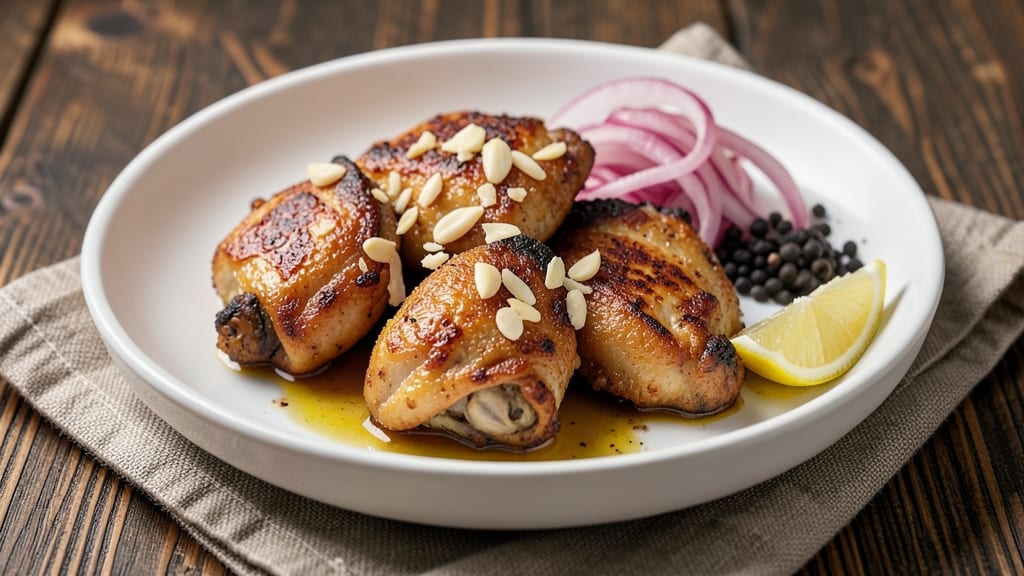
Boiling chicken gizzards transforms tough, chewy pieces into silky, melt-in-your-mouth bites with rich, savory flavor—a 30-minute process that rewards patience with restaurant-quality results. The secret lies in proper preparation: cleaning, soaking, and seasoning before simmering at the right temperature.
I’ve perfected this technique after years of testing, and it consistently delivers tender gizzards every time.
This method requires just five simple ingredients—gizzards, water, salt, pepper, and aromatics—but the preparation steps are where the magic happens. Soaking the gizzards removes impurities, while proper seasoning enhances their natural richness. The key is maintaining a gentle simmer to prevent toughness, ensuring each bite is tender and flavorful.
By the end, you’ll have perfectly boiled gizzards with a silky texture and deep, savory taste that pairs beautifully with sides like crusty bread, roasted potatoes, or a fresh green salad. The process is straightforward, but the results are undeniably satisfying—ideal for a hearty meal or a comforting dish.
Whether you’re cooking for a family gathering or a weeknight dinner, this recipe delivers foolproof results with minimal effort. Let’s get started on transforming gizzards into a flavorful centerpiece for your table.
Ingredients for boil chicken gizzards
Five essential ingredients transform tough gizzards into silky, restaurant-quality bites through precise technique.
| Ingredient | Amount | Notes |
|---|---|---|
| Chicken Gizzards 🍗 | 1 ½ lb | Fresh, cleaned, trimmed of excess fat |
| Cold Water 💧 | 4 cups | Filtered preferred for clarity |
| Diamond Crystal Kosher Salt 🧂 | 1 ½ tsp | Coarse grain for seasoning |
| Freshly Ground Black Pepper 🌶️ | ½ tsp | Cracked peppercorns preferred |
| Yellow Onion 🧅 | 1 whole | Peeled, halved, root intact |
| Garlic Cloves 🧄 | 3 cloves | Peeled, smashed lightly |
| Fresh Bay Leaves 🌿 | 2 whole | Organic preferred for quality |
| Lemon Juice 🍋 | 1 tbsp | Freshly squeezed, strained |
The gizzards are the star—freshness is critical. Purchase from a trusted butcher or high-quality poultry supplier like D'Artagnan or your local farm market. Look for vibrant color and firm texture; avoid any with an off odor or slimy surface. The 1.5 lb quantity yields about 4 servings, perfect for a family meal. Soak the gizzards in cold water for 30 minutes before cooking to remove any impurities—this step cannot be skipped for optimal tenderness. The aromatics—onion, garlic, and bay leaves—build the flavor foundation, so don't skimp on quality here. Organic produce often has more robust flavor, but conventional works fine if fresh.
No kosher salt? Diamond Crystal is the gold standard, but Morton coarse salt works in a pinch—just use the same amount. Short on bay leaves? Dried thyme at one-third the quantity provides a similar earthy note. The lemon juice brightens the dish but can be omitted if you prefer a more neutral profile. For extra richness, add 1 tbsp of unsalted butter to the simmering water. The water should cover the gizzards by about 1 inch—if not, add more cold water gradually. Never use hot water, as it can cause the gizzards to toughen. The gentle simmer is non-negotiable; any boiling will result in rubbery texture.
Store any unused gizzards in an airtight container in the refrigerator for up to 2 days. Once cooked, they reheat beautifully—simmer in fresh water or broth for 5-7 minutes until warmed through. For meal prep, portion into glass containers with a splash of water to maintain moisture. They keep in the fridge for 3 days or freeze for 3 months. The aromatics can be reused in stocks or broths—simply remove them after cooking. This dish tastes even better the next day as the flavors meld further. Pair with crusty bread or roasted vegetables for a complete meal.
Why You'll Love This Recipe
- I swear by this combo: gizzards and cold water. That’s it. Honestly, the salt and pepper just enhance—no fancy seasoning needed to make them taste like something special.
- Two-Ingredient Core: I swear by this combo: gizzards and cold water. That’s it. Honestly, the salt and pepper just enhance—no fancy seasoning needed to make them taste like something special.
- Onion Magic: Here’s what sold me—the caramelized onion bits clinging to those tender gizzards? Pure satisfaction. Slice one thin, simmer it in the same pot, and suddenly you’ve got restaurant-level depth with zero extra effort.
- Game for Leftovers: Boil a big batch, and you’ve got lunch sorted for days. My kids grab them cold for school snacks, or I toss them into salads later—no reheating, just grab-and-go protein that still tastes fresh.
Step-by-step instructions for boiled chicken gizzards
Here's the method to transform tough gizzards into tender, flavorful bites every time.
Prepare the Gizzards and Aromatics
Begin by thoroughly rinsing the 1.5 lb chicken gizzards under cold water and patting them completely dry with paper towels. This step is critical—any moisture left on the surface will prevent proper seasoning and create steam instead of a crisp exterior during cooking. Trim away any excess fat using a sharp knife, as this can become greasy during the boiling process.
Peel and halve the whole yellow onion, leaving the root intact to maintain its shape. Lightly smash the 3 cloves garlic with the flat side of your knife to release their aroma without mincing them. This preserves their structure while infusing the water with flavor. Keep these aromatics separate until you're ready to add them to the pot.
Season and Simmer the Gizzards
In a large pot, combine the 4 cups cold water, 1.5 tsp diamond crystal kosher salt, and 0.5 tsp freshly ground black pepper. Bring the water to a gentle boil over medium-high heat, then reduce the heat to maintain a steady simmer. The water should bubble softly but not violently—this prevents the gizzards from toughening.
Add the prepared gizzards to the simmering water, ensuring they're fully submerged. If they float, gently press them down with a wooden spoon. Add the halved onion, smashed garlic cloves, and 2 whole fresh bay leaves to the pot. These aromatics will infuse the water with deep, savory notes that penetrate the gizzards during cooking.
Cook Until Fork-Tender
Cover the pot with a lid and let the gizzards simmer gently for 20 minutes. After this initial cooking time, check for doneness by piercing a gizzard with a fork or skewer. It should slide in easily with only slight resistance, indicating the meat is breaking down. If not, continue simmering for another 5-10 minutes, checking periodically.
Here's the key: the gizzards are done when they reach an internal temperature of 165°F and the meat pulls apart cleanly. Overcooking will turn them rubbery, so avoid letting them simmer beyond this point. The onion and garlic will soften during this time, further enhancing the broth's flavor.
Finish with Acid and Rest
Once the gizzards are tender, remove them from the pot using a slotted spoon and transfer them to a clean bowl. Stir the 1 tbsp lemon juice into the remaining cooking liquid and let it simmer for 2-3 minutes. This brightens the flavors and balances the richness of the gizzards. Pour this infused liquid over the gizzards and let them rest for 5 minutes before serving.
The resting period allows the gizzards to reabsorb some of their juices, ensuring they remain moist and flavorful. Serve them warm, either on their own or alongside crusty bread to soak up the aromatic broth. The result should be silky, tender gizzards with a rich, savory depth from the onion, garlic, and bay leaves, finished with a touch of bright acidity.
Pro Tips For Making Boil Chicken Gizzards
- Trim the Gizzards First: Don’t skip this step—those tough membranes won’t soften no matter how long you boil. Use kitchen shears to slit the thick white casing lengthwise before cooking; it cuts prep time in half and guarantees tender results.
- Start with Ice Water: I learned this the hard way—throwing gizzards into hot water makes them tough. Fill your pot with cold water, bring to a rolling boil, then add them. The cold start keeps them from shrinking into rubbery nubs.
- Salt the Water Generously: Diamond Crystal is less concentrated, so don’t eyeball it. Aim for 1½ tablespoons per quart of water—this isn’t just for flavor, it helps break down connective tissue faster. (Yes, even if you’re not making pickles.)
- Simmer, Don’t Boil Furiously: After the initial boil, reduce to a gentle simmer—tiny bubbles, not violent rolling. Overboiling turns gizzards mushy; 20 minutes at a low simmer after boiling is all they need. A meat thermometer at 165°F is your friend here.
Dietary considerations for this recipe
Gluten-Free Adaptations
This recipe is naturally gluten-free as long as you use certified gluten-free ingredients. The key is ensuring your kosher salt and black pepper are gluten-free certified, since cross-contamination can occur in shared packaging. I recommend Morton Salt Gluten-Free or Diamond Crystal Kosher Salt, both of which are safe choices.
The gizzards themselves are always gluten-free, but always double-check labels on any pre-packaged seasonings you might add later. 🌾
Low-Sodium Options
If you're watching your sodium intake, reduce the 1.5 tsp kosher salt to just 0.5 tsp or omit it entirely. Instead, boost flavor with extra aromatics: add 1 extra bay leaf or 1 tsp dried thyme. The natural umami from the gizzards and onion will still shine through.
For extra depth, finish with 1 tsp apple cider vinegar instead of lemon juice—it adds tang without salt. The gizzards will still be flavorful and tender.
Allergen-Friendly Substitutions
For those with shellfish allergies, this recipe is already safe since it contains no seafood. If you need to avoid nightshades (like garlic), substitute with 1 tsp onion powder and ½ tsp smoked paprika for a similar savory profile.
For dairy-free needs, skip any butter additions and stick to the original ingredients—no dairy is required. Always check labels on your kosher salt or pepper for hidden additives if allergies are a concern.
Protein-Packed Customization
Turn this into a high-protein meal by adding ½ cup cooked quinoa or ½ cup cooked brown rice to the pot during the final 5 minutes of cooking. The grains will absorb the flavorful broth, creating a complete protein dish.
For extra iron, stir in 1 tbsp nutritional yeast at the end—it adds a cheesy, umami note without dairy. This works especially well for meal prep, as the grains keep the gizzards moist during storage. 💪
Vegetarian Considerations
While this recipe uses chicken gizzards, you can adapt the technique for vegetarian proteins like mushroom gizzards or tofu. For mushrooms, use 8 oz king oyster mushrooms trimmed to resemble gizzards, and simmer for 15 minutes instead.
For tofu, press and slice 1 block extra-firm tofu into gizzard-like pieces, then follow the same cooking method. The aromatics and lemon finish work beautifully with both alternatives, making this a versatile base for plant-based meals.
Nutrition facts
Frequently asked questions
Why do I need to soak chicken gizzards before cooking?
Soaking removes natural impurities and blood that can make the meat bitter or tough. A 30-minute cold water soak also helps the gizzards absorb flavors better during cooking. Skipping this step often results in a less tender final product, even with perfect simmering.
Can I use frozen chicken gizzards for this recipe?
Yes, but thaw them completely first in the refrigerator overnight. Never use frozen gizzards directly from the freezer—they won't cook evenly and may stay tough. For best results, soak thawed frozen gizzards for 45 minutes instead of 30 to ensure all impurities are removed.
What if my boiled chicken gizzards turn out rubbery?
Rubbery texture usually means they were overcooked or boiled too vigorously. The fix: Always maintain a gentle simmer (never a rolling boil) and check doneness at 165°F internal temperature. If they're slightly undercooked, return them to simmer for 5 more minutes—don't overcompensate.
How can I make the broth from boiling gizzards more flavorful?
Add extra aromatics like 1 celery stalk, 1 carrot, or ½ tsp smoked paprika to the simmering water. For deeper flavor, strain the broth after cooking and reduce it by half to make a rich sauce. This works especially well for soups or gravies.
Are chicken gizzards healthy, and what are their nutritional benefits?
Gizzards are nutrient-dense! They're an excellent source of iron, zinc, and B vitamins like B12. A 3-ounce serving provides about 20g protein and only 120 calories. The dark meat also contains healthy fats that support heart health when consumed in moderation.