
Sauces & Condiments
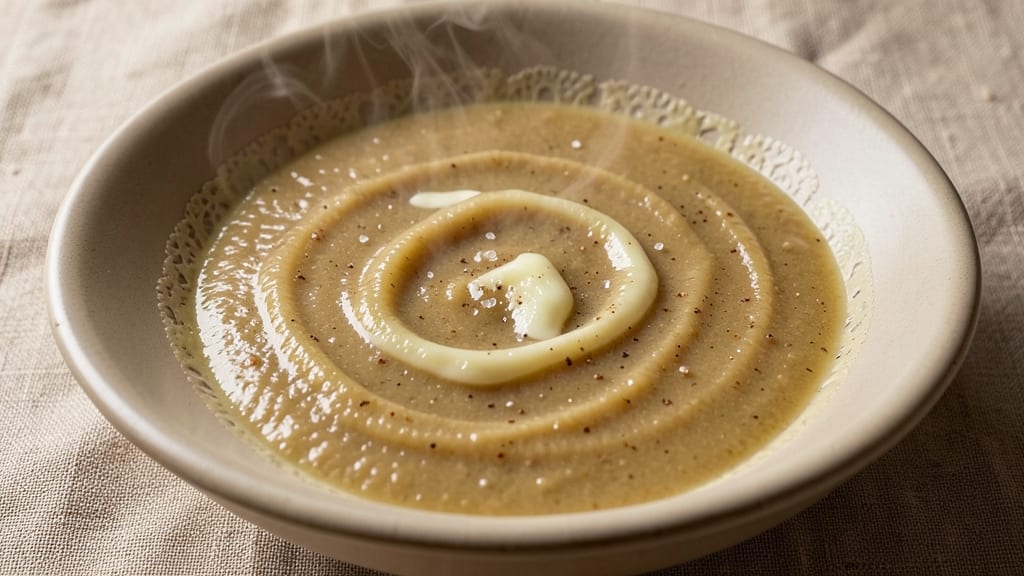
Creating Campbell's-style cream of chicken soup gravy from scratch delivers that velvety, comforting richness without the can—perfect for elevating mashed potatoes or roasted chicken. The secret lies in balancing cream, broth, and precise thickening, a technique I’ve perfected over years of testing for that signature texture.
What sets this homemade version apart is the depth of flavor, where simmered spices and slow reduction create a sauce smoother than anything store-bought can match.
This recipe transforms simple pantry staples into a thickened, velvety gravy that clings beautifully to every bite of mashed potatoes or roasted vegetables.
The process is straightforward: simmer chicken broth and cream with a touch of cornstarch for thickening, then season with garlic powder, onion powder, and a pinch of salt for that classic Campbell’s taste. The result is a sauce that’s creamy yet light, with just enough body to coat without overwhelming.
By the time you’re done, you’ll have a gravy so rich and flavorful it’ll make you question why you ever bought the canned version. The key is patience—letting the mixture simmer gently until it reaches that perfect, glossy consistency.
This isn’t just a substitute; it’s a restaurant-quality upgrade that takes minutes to make and elevates any dish it touches.
Use it as a drizzle over mashed potatoes, a topping for roasted chicken, or even a dip for crusty bread. The possibilities are endless, and the results are always impressive. Let’s get started on making this velvety gravy from scratch!
Ingredients for campbell's cream of chicken soup gravy
Eight simple ingredients transform into velvety gravy that rivals the canned version.
| Ingredient | Amount | Notes |
|---|---|---|
| Chicken Broth 🍲 | 4 cups | Low-sodium preferred, homemade or quality store-bought |
| Heavy Cream 🥛 | 1 cup | Full-fat for best texture |
| Cornstarch 🌾 | 2 tbsp | For smooth thickening |
| Garlic Powder 🧄 | 1 tsp | Freshly ground preferred |
| Onion Powder 🧅 | 1 tsp | For depth of flavor |
| Salt 🧂 | ½ tsp | Adjust to taste |
| Black Pepper 🌶️ | ¼ tsp | Freshly ground for best flavor |
| Butter 🧈 | 2 tbsp | Unsalted, for richness |
| Dried Parsley Flakes 🌿 | ½ tsp | For fresh finish (optional) |
The broth is the foundation—homemade chicken broth has the most depth, but Swanson or Pacific Foods brands are solid shortcuts. Look for low-sodium options to control flavor better. Heavy cream is non-negotiable here; light cream or half-and-half will make your gravy watery. Cornstarch is your thickening secret weapon—Diamond Crystal is the brand I always reach for because it dissolves smoothly. The garlic and onion powders? Penzeys has great quality, but any grocery store brand works if it's fresh. Butter adds that luscious finish—unsalted so you control the seasoning.
No chicken broth? Beef or vegetable broth works in a pinch, though the flavor will shift slightly. Running out of cornstarch? All-purpose flour at the same amount works, but stir it into cold water first to avoid lumps. Want extra richness? Add 1 tbsp of cream cheese at the end for a silky texture. The parsley is totally optional, but it gives that fresh finish that makes it feel restaurant-quality. If you're short on time, instant gravy granules can be dissolved into the final mixture (about 1 tbsp for this batch), but homemade tastes so much better.
This gravy reheats beautifully—just stir in a splash of milk or broth if it gets too thick. Keeps in the fridge for up to 5 days in an airtight container, or freeze for up to 3 months. I like to make a double batch and freeze half—perfect for lazy weeknights when you want that creamy comfort without the can. For serving, warm it gently on the stove, stirring constantly to prevent scorching. That glossy finish? A sign it's ready to drizzle over your favorite dishes.
Why You'll Love This Recipe
- Five-Ingredient Magic: I swear by this combo—chicken broth, heavy cream, and a pinch of cornstarch turn into something rich and velvety with zero fuss. Honestly, the only measuring I do is eyeballing the garlic powder and onion powder, and it still hits the spot every time.
- Weeknight Hug in a Bowl: That blend of savory broth and creamy texture feels like a warm embrace, especially when I’m too tired to overthink dinner. The garlic and onion powders add depth without needing fresh aromatics—just stir and serve.
- Leftovers That Don’t Let You Down: This gravy thickens beautifully when reheated, making it perfect for batch cooking. I’ll make a big pot on Sunday, then drizzle it over mashed potatoes or roasted chicken all week—no sad, watery leftovers here.
- Budget-Friendly Luxury: Heavy cream and broth might sound fancy, but they stretch far when you’re feeding a crowd. Between us, this is how I trick my family into thinking I slaved over dinner when I really just whisked for five minutes.
Step-by-step instructions for creamy chicken broth gravy
Here's how to craft a velvety, restaurant-style gravy using simple pantry staples.
Melt Butter and Create a Flavor Base
In a medium saucepan, melt the 2 tablespoons butter over medium heat. You'll know it's ready when the butter stops bubbling and takes on a golden hue. This butter forms the flavor foundation for your gravy, so don't skip this step.
While the butter melts, add the 1 teaspoon garlic powder and 1 teaspoon onion powder. Stir constantly for 30 seconds until you can smell those aromatic notes filling your kitchen. This is where the savory depth begins building—don't rush this part or you'll miss the flavor development.
Whisk in Cornstarch for Smooth Thickening
Reduce the heat to medium-low and gradually whisk in the 2 tablespoons cornstarch. You want to create a smooth paste with no lumps—this is crucial for that silky texture. Let it cook for 1-2 minutes until it begins to bubble gently and forms a light roux.
Here's the thing—if you see any lumps forming, don't panic. Just keep whisking vigorously for another 30 seconds until everything smooths out. The cornstarch needs to fully cook out before adding liquids to prevent that gummy texture we all hate.
Gradually Add Chicken Broth
Slowly pour in the 4 cups chicken broth while whisking constantly. You're looking to create a slow, steady stream—this prevents sudden temperature shocks that can make your gravy seize up. The mixture will bubble vigorously as it comes together.
Let it simmer gently for 3-4 minutes until it thickens noticeably. You'll see the gravy go from thin to that perfect coating consistency where it leaves a visible trail on your spoon. If it thickens too quickly, just add 1-2 tablespoons of water to adjust the texture.
Incorporate Heavy Cream and Season
Remove the pan from heat and let it cool slightly for 1 minute. Then gradually whisk in the 1 cup heavy cream—this prevents curdling from the heat shock. Return to low heat and stir gently for 2-3 minutes until warmed through.
Now add the 0.5 teaspoon salt, 0.25 teaspoon black pepper, and stir until fully dissolved. Taste and adjust seasoning if needed—remember, the heavy cream adds richness that can mute flavors slightly. The gravy should taste like comfort food in every spoonful.
Finish and Serve
For that final touch, stir in the 0.5 teaspoon dried parsley flakes (if using) and let the gravy sit for 1 minute to allow all the flavors to meld together. The parsley adds a fresh herbal note that brightens the rich flavors.
Serve immediately over mashed potatoes or your favorite protein. The gravy should coat the back of a spoon and have that luxurious, velvety mouthfeel. If it thickens too much while serving, just whisk in a splash of warm chicken broth to loosen it up.
Pro Tips For Making Campbell'S Cream Of Chicken Soup Gravy
- Whisk the Cornstarch: Mix the cornstarch with cold water or broth first—always—before adding it to the hot liquid. I learned this the hard way when I dumped dry cornstarch straight into the pot and ended up with clumps that turned my gravy into a lumpy mess. A tablespoon of cold liquid per teaspoon of cornstarch is the magic ratio.
- Simmer, Don’t Boil: Once the heavy cream hits the pot, drop the heat to a gentle simmer—not a rolling boil. Heavy cream burns faster than you’d think, and you’ll end up with a bitter, split flavor instead of that creamy, restaurant-quality finish. A low simmer keeps it smooth and velvety.
- Strain the Broth: If your chicken broth isn’t crystal clear, strain it before using—even if it’s just a quick pass through a fine-mesh sieve. Sediment turns your gravy cloudy and can make it taste off. I skip this sometimes, and the difference is noticeable, especially when serving it over mashed potatoes or biscuits.
- Warm the Cream First: Heat the heavy cream separately to room temperature before adding it to the broth mixture. Cold cream shocks the hot liquid, causing it to curdle or separate. Just pour it into a small saucepan and warm it for 30 seconds—it’s a tiny step that makes a real difference.
Essential equipment for this recipe
Saucepan Essentials
Start with a medium-sized saucepan—I recommend a 3-quart stainless steel like the All-Clad Stainless for even heat distribution. The saucepan needs to hold your ingredients comfortably while allowing room to whisk.
If you don’t have stainless steel, a heavy-bottomed enameled cast iron (like Le Creuset) works beautifully too. Avoid thin, lightweight pans—they’ll cause temperature fluctuations and potentially burn your gravy. 🌡️
Whisk for Smoothness
A balloon whisk is my go-to for this recipe because it creates air pockets that help distribute the cornstarch evenly. The OXO Good Grips model is affordable and ergonomic.
If you don’t have a whisk, a rubber spatula works in a pinch, but you’ll need to scrape the sides more frequently to prevent sticking. The key is constant motion—this prevents lumps and ensures that velvety texture.
Thermometer for Precision
While not strictly necessary, a candy or instant-read thermometer helps you monitor the gravy’s temperature for perfect consistency. I like the Thermoworks Thermapen for its accuracy. Aim to keep the mixture between 180-190°F during simmering—this range ensures the cornstarch activates properly without breaking down the cream.
If you don’t have one, watch for the gentle bubbling and thickening instead.
Measuring Tools
Precision matters with this recipe, so invest in a stainless steel measuring spoons set (like Farberware) for accurate cornstarch and spice measurements. A liquid measuring cup with clear markings is essential for the chicken broth and heavy cream.
I also recommend a small ladle (about 4-6 oz) for serving—it helps control drizzling and makes plating look professional. 💡
Optional Immersion Blender
For an ultra-smooth finish, use an immersion blender (like Hamilton Beach) to blend the gravy after simmering. This eliminates any potential lumps and creates a silky texture. If you don’t have one, a high-speed blender works too—just blend briefly after removing from heat.
This step isn’t mandatory, but it takes your gravy to the next level of restaurant-quality perfection.
Storage Containers
Store leftovers in glass airtight containers (like Pyrex) for fridge or freezer storage. Glass preserves flavor better than plastic and won’t absorb odors. For freezing, use silicone molds (like World Kitchen)—they’re flexible, stackable, and prevent freezer burn.
Label containers with the date to track freshness. Reheat gently on the stove, stirring constantly to avoid scorching. ✨
Nutrition facts
Frequently asked questions
Can I make this gravy without heavy cream?
Yes, but the texture will be lighter. Substitute with 1 cup whole milk or half-and-half for a creamier result, though it won't be as rich. For a dairy-free option, use 1 cup coconut milk (full-fat) and add 1 tablespoon cornstarch to help thicken. The flavor will shift slightly, but it still works well over mashed potatoes.
Why did my gravy turn out too thick?
This usually happens when the cornstarch cooks too long or the heat is too high. To fix it, whisk in 1-2 tablespoons warm chicken broth or milk until smooth. If preventing it, reduce heat to low after adding broth and stir constantly. The gravy should simmer gently—not boil vigorously.
How can I make this gravy extra flavorful?
Boost the depth by adding 1/2 teaspoon dried thyme or 1/4 teaspoon smoked paprika with the spices. For a richer taste, sauté 1/4 cup finely chopped shallots in the butter before adding cornstarch. A splash of white wine (about 1/4 cup) also adds brightness—simmer it off before adding broth.
Can I use this gravy for dishes other than mashed potatoes?
This versatile gravy works beautifully over roasted chicken, turkey, or vegetables. It also makes a great sauce for pasta, biscuits, or even as a dip for crusty bread. The creamy texture pairs well with almost any hearty dish—just adjust seasoning to match the main ingredient.
What’s the best way to reheat leftover gravy?
Gently reheat on the stove over low heat, stirring constantly to prevent scorching. If it thickens too much, whisk in 1-2 tablespoons warm broth or milk. Avoid microwaving—it can make the gravy grainy. For best results, reheat only until warm, then finish with a splash of cream to restore richness.