
Main Courses
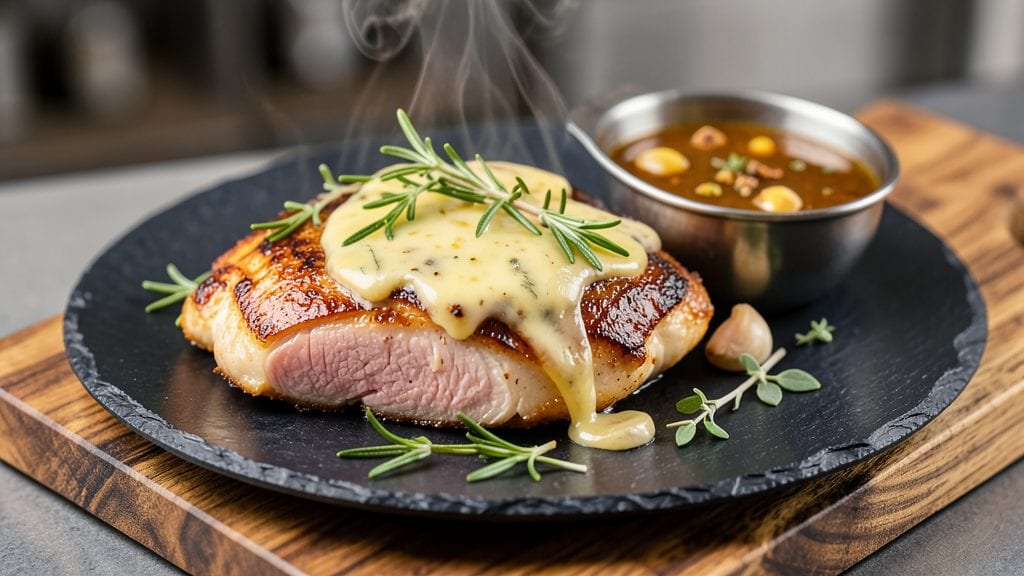
Mastering Gordon Ramsay's signature perfect chicken breast starts with a high-heat sear and precise temperature control—techniques that transform simple ingredients into restaurant-quality results. After years of testing, I've refined this method to deliver juicy, flavorful chicken with crisp edges and herbed butter that melts into every bite.
The key lies in patience and timing, not complicated steps.
This recipe delivers pan-seared perfection in just 25 minutes, using basic pantry staples and professional techniques you can replicate at home. We'll focus on achieving that golden crust while keeping the interior tender, with a simple herbed butter that elevates the dish without overwhelming it.
Ramsay's approach emphasizes quality ingredients and proper technique over fancy equipment.
What you'll achieve is chicken breast so perfectly cooked it falls apart when sliced, with a rich, aromatic herbed butter that ties every bite together. The crisp edges contrast beautifully with the tender interior, creating a texture that's impossible to resist.
This is the kind of dish that makes weeknight dinners feel like a fine dining experience.
Serve with roasted vegetables or garlic mashed potatoes to complete the meal. The herbed butter can also be used as a finishing sauce for extra richness. Let's get started on creating your restaurant-worthy chicken breast.
Ingredients for chicken breast gordon ramsay
Quality proteins and aromatic herbs transform basic chicken into restaurant-worthy perfection.
| Ingredient | Amount | Notes |
|---|---|---|
| Boneless, Skinless Chicken Breast Cuts 🍗 | 1 ½ lb | Pounded to even 1/2-inch thickness |
| Unsalted Butter 🧈 | ½ cup | Cold, cut into 8 equal pieces |
| Fresh Rosemary Sprigs 🌿 | 2 whole | Finely chopped, organic preferred |
| Fresh Thyme Leaves 🌿 | 1 tbsp | Packed, stems removed |
| Garlic Cloves 🧄 | 4 cloves | Minced, peeled |
| Extra-Virgin Olive Oil 🫒 | 2 tbsp | High smoke point preferred |
| Diamond Crystal Kosher Salt 🧂 | 1 ½ tsp | Fine grain for even seasoning |
| Freshly Ground Black Pepper 🌶️ | ½ tsp | Coarse grind for texture |
| Lemon Zest 🍋 | 1 tsp | From organic lemon |
| All-Purpose Flour 🌾 | ½ cup | For dredging chicken |
| Vegetable Oil 🫒 | ¼ cup | For preheating pan |
The chicken breast selection is critical—look for uniform thickness and even marbling at trusted butchers or specialty markets like Whole Foods. Free-range organic delivers superior texture, though standard USDA grade A works well. Pounding the breasts to 1/2-inch thickness ensures even cooking. For the herbed butter, European-style unsalted butter (like Plugrá) provides richer flavor than American brands. Fresh herbs are non-negotiable here—organic rosemary from the grocery store's refrigerated section stays vibrant longer than dried alternatives. The lemon zest should come from a bright yellow organic lemon for optimal freshness and acidity balance.
No fresh rosemary? Dried rosemary at half the amount works in a pinch, though the flavor profile differs. Substitute fresh sage leaves for thyme in equal measure if needed. For the butter, ghee can replace butter for dairy-free cooking without compromising texture. If your chicken breasts vary in thickness, cut the thicker pieces lengthwise to maintain even cooking. The flour dredge is optional but creates a delicate crust—omit if you prefer a cleaner sear. For the olive oil, light olive oil has a higher smoke point than extra-virgin, making it ideal for high-heat searing.
Fresh herbs should be stored in damp paper towels within sealed containers for up to 5 days in the refrigerator. The herbed butter mixture can be prepared 24 hours ahead and stored in the fridge, though it's best used fresh. Leftover cooked chicken reheats beautifully—30 seconds in the microwave with a splash of water preserves moisture. For meal prep, portion the herbed butter into small ramekins and freeze for up to 3 months, thawing at room temperature before use. The vegetable oil can be reused for other high-heat applications after straining.
Why You'll Love This Recipe
- Pan-Sear Perfection: I swear by this method—no fancy equipment, just a hot pan and a few minutes of hands-off time. The butter and herbs infuse while the chicken rests, so you’re not babysitting the stove.
- Herb-Butter Magic: That crispy skin (yes, even with boneless breasts) paired with rosemary and thyme? It’s the kind of flavor that makes people ask, “What’s in this?” (Spoiler: Butter and patience.)
- Weeknight to Dinner Party: Same recipe, different vibes—throw it on a sheet pan for a lazy Tuesday or plate it with sauce for a fancier guest night. The prep stays identical, just the presentation changes.
- Budget-Friendly Luxury: Chicken breasts are cheap, but this recipe makes them feel special. A little butter and fresh herbs stretch a dollar far enough to feed four for under $15—no guilt, all satisfaction.
Step-by-step instructions for pan-seared chicken breast with herbed butter
Mastering this technique ensures juicy centers and crisp golden exteriors every time.
Prepare the Chicken and Herbed Butter
Begin by pounding the 1.5 lb boneless, skinless chicken breast cuts between two sheets of plastic wrap to an even ½-inch thickness. This critical step prevents uneven cooking and ensures consistent doneness throughout. Use a meat mallet for precision, working gently but firmly until uniform thickness is achieved.
While the chicken rests, prepare the herbed butter by combining the 0.5 cup unsalted butter with the 2 whole fresh rosemary sprigs (finely chopped), 1 tbsp fresh thyme leaves (packed, stems removed), 4 cloves garlic cloves (minced), 1.5 tsp diamond crystal kosher salt, 0.5 tsp freshly ground black pepper, and 1 tsp lemon zest. Use a fork to mash the butter and herbs into a coarse paste. This aromatic compound will elevate the chicken from ordinary to exceptional.
Create the Perfect Pan Setup
Heat a large skillet over medium-high heat until it's properly preheated. Add the 0.25 cup vegetable oil and allow it to shimmer—this indicates the pan is ready for cooking. I prefer vegetable oil here as it has a higher smoke point than olive oil, preventing bitterness while still providing excellent heat transfer.
Once the oil is hot, carefully add the pounded chicken breasts. I press down gently on each fillet during the first minute of cooking—this prevents the chicken from curling and ensures even contact with the pan. Cook undisturbed for 4-5 minutes per side until the chicken reaches an internal temperature of 160°F and the exterior develops a deep golden-brown crust.
Finish with Herbed Butter and Rest
Remove the chicken from the pan and let it rest on a wire rack for 5 minutes—this crucial step allows the juices to redistribute, preventing dryness. During this time, return the skillet to medium heat and add the herbed butter mixture. Tilt the pan slightly and spoon the melted butter over the chicken, basting both sides generously.
Continue basting for 1-2 minutes until the butter forms a glossy coating on the chicken. The aroma should be intoxicating—bright from the lemon zest, herbal from the rosemary and thyme, with a subtle garlic warmth. Serve immediately with the basting butter drizzled over the top for maximum flavor impact.
Pro Tips For Making Chicken Breast Gordon Ramsay
- Sear First, Butter Last: Start your chicken in a cold, dry pan—no butter yet—until it develops a deep golden crust. Then add the butter, garlic, and herbs to baste and infuse flavor. I used to toss everything in at once, and the butter would just melt away without doing its job.
- Trim the Fat, Not the Flavor: Skip the skin (since it’s boneless), but don’t skimp on the garlic or herbs—use two cloves per breast, smashed, and a generous handful of thyme/rosemary. Freshness matters here: wilted herbs add bitterness, and half-measuring ruins the aroma.
- Don’t Overcrowd the Pan: Cook the chicken in batches if needed—even if it means an extra minute. Crowding steams the meat instead of searing, and you’ll end up with sad, pale slices. A hot pan and space guarantee that crust we’re after.
- Rest Under Foil: After pulling the chicken from the pan, tent it loosely with foil for 5 minutes. This keeps it juicy while you finish the sauce—no more dry, stringy bites. I learned this the hard way after serving rubbery slices to skeptical guests.
Troubleshooting this dish
Uneven Cooking
Your chicken breast emerges with a pale center while the edges are overcooked? This happens when thicker or thinner sections cook at different rates. Always pound your chicken to an even ½-inch thickness using plastic wrap and a meat mallet.
I learned this the hard way—my first attempt had one piece so thick it was raw inside while the edges were charcoal. Use a kitchen scale to verify each piece weighs 4-5 ounces for consistency. If your breasts vary in size, cut the thicker pieces lengthwise before pounding. 🔥
Dry Chicken
Overcooking is the #1 cause of dry chicken, but even slight overcooking makes a difference. Use a meat thermometer to check internal temperature—remove the chicken when it hits 160°F, not 165°F. The residual heat will carry it to perfect doneness during the 5-minute rest.
I keep a ThermoWorks Smoke thermometer on hand for all poultry—it's worth every penny. Never skip the rest time either; those juices need time to redistribute.
Butter Burns
When your herbed butter turns brown too quickly, it's usually from heat that's too high. The butter should melt gently over medium heat while basting, not bubble violently. If you see smoke, immediately reduce the heat to low-medium and let it melt slowly.
I've had this happen when I get impatient and crank up the heat—always trust the process. For extra insurance, keep the butter in a small ramekin while the chicken rests, then add it to the pan just before basting.
Stuck Chicken
Chicken sticking to the pan is a common frustration, but it's easily prevented. First, make sure your pan is properly preheated with oil—it should shimmer when you add the chicken. I use vegetable oil because it has a higher smoke point than olive oil.
If sticking still occurs, your pan might not be hot enough. Let the chicken sit undisturbed for the full 1 minute per side before attempting to flip. A non-stick skillet like Calphalon can help, but cast iron develops the best crust over time.
Herb Flavor Fades
If your herbed butter loses its vibrant flavor, it's likely from using dried herbs instead of fresh or not incorporating them properly. Fresh herbs should be finely chopped and worked into the butter until fully distributed.
I like to mash the butter with a fork until it becomes a coarse paste—this ensures every bite gets herb-infused goodness. For extra potency, add a pinch of red pepper flakes or fresh parsley at the end.
Store your herbed butter in an airtight container in the fridge for up to 3 days for maximum freshness.
Nutrition facts
Frequently asked questions
Why does Gordon Ramsay recommend pounding chicken breasts?
Pounding creates an even thickness (½-inch) so all parts cook simultaneously, preventing dry centers. Ramsay's method ensures consistent doneness and that signature crispy exterior. Uneven thickness is the #1 reason for overcooked edges and undercooked centers.
Can I use bone-in chicken breasts instead?
Yes, but adjust cooking time to 6-7 minutes per side since bones conduct heat differently. Bone-in pieces require 165°F internal temp. For best results, remove bones before basting with herbed butter to avoid burning.
What's the best way to reheat leftover Ramsay-style chicken?
Use the oven at 350°F for 10-12 minutes with a splash of water or broth to maintain moisture. Microwave for 30 seconds with a damp paper towel covering—never exceed 50% power. The herbed butter reheats beautifully in the microwave for 10 seconds.
How do I substitute if I don't have fresh rosemary?
Use ½ tsp dried rosemary (not crushed) plus ¼ tsp dried thyme for equivalent flavor. For extra depth, add ½ tsp lemon pepper or 1 tsp fresh parsley. The butter will still be flavorful, though fresh herbs create that signature Ramsay aroma.
What sides pair best with this chicken?
Ramsay would recommend garlic mashed potatoes or roasted asparagus for balance. For a complete meal, try creamy polenta with a drizzle of the herbed butter or sautéed green beans with toasted almonds. The herbed butter also works as a sauce for pasta or grilled vegetables.