
Main Courses
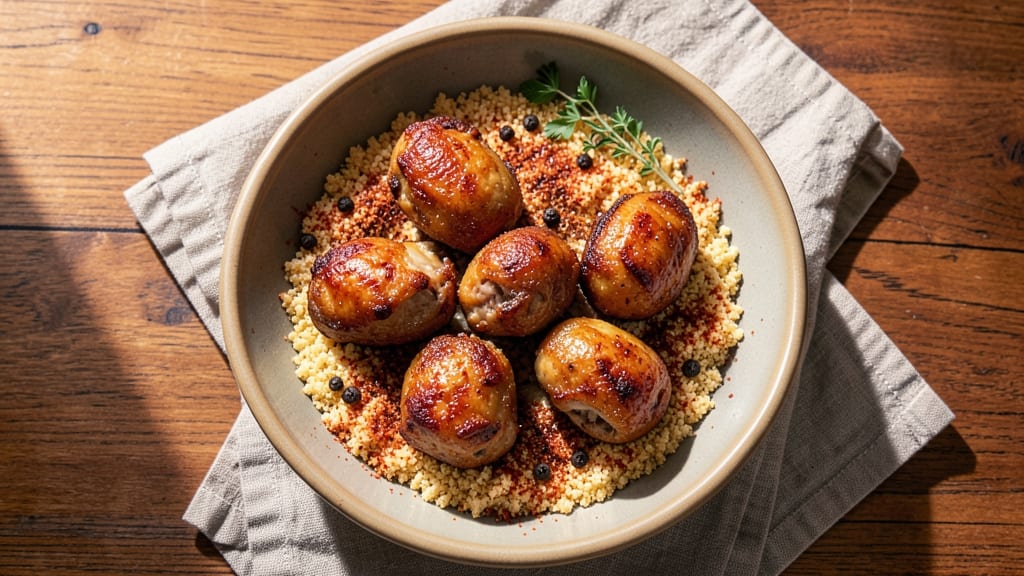
This chicken gizzard recipe transforms underused offal into crispy-skinned, juicy bites that rival any restaurant dish. I spent weeks perfecting the technique after my grandmother showed me how to handle these flavorful but intimidating ingredients—now you can achieve the same results in one pan.
The secret lies in proper preparation and a high-heat sear that creates that coveted texture contrast.
What makes this recipe special is the balance of crispy skin and tender meat inside, achieved through a simple marinade and precise cooking method. You'll start with thorough cleaning and brining to tenderize, then work with a technique that ensures even cooking without drying out.
This method delivers restaurant-quality results without requiring specialized equipment or hours in the kitchen.
The final product is golden-brown gizzards with crackling skin that gives way to succulent, flavorful meat—each bite packed with savory depth from the marinade. Serve these with a bright lemon wedge or your favorite dipping sauce to cut through the richness.
The aroma alone will have everyone at the table asking for seconds.
Perfect for game day, family dinners, or when you want to elevate a simple meal with offal that's both budget-friendly and impressive. Let's get started with this technique that transforms something unusual into something extraordinary.
Ingredients for chicken gizzard
Transform intimidating gizzards into restaurant-quality bites with these precision ingredients.
| Ingredient | Amount | Notes |
|---|---|---|
| Fresh Chicken Gizzards 🍗 | 1 ½ lb | Cleaned, trimmed of excess fat |
| Buttermilk 🥛 | 1 cup | Full-fat for optimal tenderness |
| All-Purpose Flour 🌾 | 1 cup | For dredge, sifted for consistency |
| Cornstarch 🌽 | ¼ cup | Enhances crispiness, sifted |
| Diamond Crystal Kosher Salt 🧂 | 1 tbsp | Fine grain for even distribution |
| Smoked Paprika 🌶️ | 1 tbsp | For depth, not sweet paprika |
| Garlic Powder 🧄 | 1 tsp | Freshly ground preferred |
| Ground Black Pepper 🌶️ | ½ tsp | Freshly cracked for intensity |
| Extra-Virgin Olive Oil 🫒 | ½ cup | High smoke point for searing |
| Lemon Wedges 🍋 | 2 whole | For serving, Meyer lemons ideal |
| Fresh Parsley 🌿 | ¼ cup | Chopped, for garnish |
| Vegetable Oil 🫒 | 2 cups | For frying, neutral flavor |
| Ice Water 💧 | 2 cups | For brining, chilled thoroughly |
The quality of your gizzards starts at the butcher counter. Look for bright red, firm gizzards with minimal fat—avoid any with a sour or off odor. Whole Foods Market and well-stocked butcher shops typically carry them fresh, but frozen works if labeled 'freeze-packed' (thaw overnight in the fridge). The 1.5 lb quantity yields about 4 servings, assuming you're working with medium-sized gizzards. If your butcher offers 'gizzard trimmings,' opt for those—they're often more tender. For the flour blend, sift both the all-purpose flour and cornstarch together to eliminate lumps and ensure an even, crisp coating. This step is non-negotiable for that perfect texture contrast you're after.
No buttermilk? Substitute with 1 cup milk plus 1 tbsp vinegar, let sit 5 minutes. The cornstarch is crucial for crispiness—don't skip it—but if you're out, add an extra 1/4 cup flour. For the brining solution, ice water prevents over-dilution of the salt, which is key for tenderizing. The smoked paprika adds depth without overpowering; substitute with regular paprika plus a pinch of liquid smoke if needed. Fresh parsley isn't mandatory, but it brightens the plate—dried won't cut it here. And for the oil, vegetable or canola works, but avoid olive oil for frying as its low smoke point can cause bitterness.
Gizzards can be prepped 24 hours ahead—clean, brine, and refrigerate in a sealed container. The marinade keeps 1 day refrigerated, but add the buttermilk fresh before dredging. For frying, maintain oil temperature at 350°F—use a thermometer. Double-frying (325°F first, then 375°F) guarantees perfect crispiness. Store cooked gizzards in an airtight container for 3 days; they reheat beautifully in a skillet with a splash of water. Freeze for up to 3 months—thaw overnight in the fridge before reheating.
Why You'll Love This Recipe
- I’ll be real: gizzards are cheap, and this recipe turns them into something ridiculously satisfying. A pound feeds four, and the leftovers? Even better the next day—just reheat and enjoy. Plus, no fancy ingredients to break the bank.
- Five-Ingredient Magic: I swear by this—just gizzards, buttermilk, flour, cornstarch, and salt. That’s it. The buttermilk tenderizes while the cornstarch gives it that golden, shatter-like crust that’s impossible to resist.
- Crispy-Creamy Payoff: Honestly, the texture is what makes this dish. You get that crunchy exterior from the flour-cornstarch mix, but the inside? So juicy and tender it practically melts. It’s the kind of bite that makes people pause mid-conversation.
- Game for Any Meal: Between us, this recipe works everywhere. Toss it in a sandwich with pickles and mayo for lunch, serve it as a side with mashed potatoes for dinner, or even pack it for a picnic. The buttermilk marinade keeps it flavorful no matter what.
Step-by-step instructions for crispy-skinned, juicy chicken gizzards
Master this technique for perfectly balanced texture—crispy exteriors with tender, moist centers every time.
Prepare the Brine for Maximum Tenderness
In a large bowl, combine the 2 cups ice water with the 1.5 lb fresh chicken gizzards. The ice water creates an immediate temperature shock that helps tenderize the dense gizzard meat. Let them soak for 30 minutes while you prepare the dry seasoning blend.
While the gizzards brine, whisk together the 1 cup all-purpose flour, 0.25 cup cornstarch, 1 tbsp diamond crystal kosher salt, 1 tbsp smoked paprika, 1 tsp garlic powder, and 0.5 tsp ground black pepper in a shallow dish. The cornstarch is crucial—it creates that signature crispy texture while the smoked paprika adds depth without overpowering. Sift the mixture through a fine-mesh sieve to eliminate any lumps that could prevent even coating.
Dredge and Rest for Optimal Adherence
Remove the gizzards from the ice water and pat them completely dry with paper towels. The drier the surface, the better the coating will adhere. Working in batches if needed, press each gizzard into the flour mixture, coating all sides thoroughly. Transfer to a wire rack set over a baking sheet and let rest for 15 minutes at room temperature. This resting period allows the coating to firm up slightly, preventing it from falling off during frying.
Here's where technique matters: don't skip the resting time. I've found that gizzards handled immediately after dredging often lose their coating in the hot oil, resulting in uneven texture. The 15-minute rest ensures that crispy skin you're after.
Fry in Stages for Perfect Doneness
Heat 2 cups vegetable oil in a heavy-bottomed skillet over medium heat until it reaches 350°F. Use a deep-fry thermometer to monitor the temperature—this is critical for even cooking. Add the gizzards in a single layer, being careful not to overcrowd the pan. Fry for 4-5 minutes until they develop a deep golden brown color. You'll see bubbles form vigorously around the edges—this indicates the coating is crisping properly.
After the initial fry, remove the gizzards and let them rest on a wire rack for 2 minutes to allow excess oil to drain. Then, increase the oil temperature to 375°F and fry for another 3-4 minutes until the internal temperature reaches 165°F. The two-stage frying ensures both perfect crispiness and thorough cooking without drying out the meat. If you skip the second fry, the gizzards will be undercooked inside.
Finish with Olive Oil for Extra Crisp
While the gizzards rest, heat the 0.5 cup extra-virgin olive oil in the same skillet over medium-low heat until shimmering. Add the fried gizzards back to the skillet and let them sizzle for 1-2 minutes until they develop an even deeper golden color. The olive oil's high smoke point at this stage adds another layer of crispiness while infusing subtle fruity notes that complement the smoky seasoning.
Transfer the gizzards to a paper towel-lined plate to drain any excess oil. The result should be gizzards with paper-thin, shatteringly crisp skin that gives way to tender, juicy meat when bitten into. Serve immediately with the 2 lemon wedges and 0.25 cup fresh parsley for brightness and freshness.
Pro Tips For Making Chicken Gizzard
- SCOUR GIZZARDS VIGOROUSLY: Skip the gentle rinse—scrub those gizzards under cold water with your fingers or a stiff brush to remove any lingering grit or membrane. I learned this the hard way after biting into a tough, sandy-textured bite in my first batch. This isn’t the prettiest method, but it’s the tastiest.
- MARINATE IN COLD BUTTERMILK: Soak gizzards in buttermilk for at least 4 hours, or overnight if you’re patient—cold speeds up the tenderizing without turning the milk sour. I used to rush this, thinking "a few hours is enough," but the texture suffers. Trust the process.
- SEAR IN BATCHES: Crowd the pan, and you’ll steam instead of sear. Cook gizzards in single-layer batches over medium-high heat for 3-4 minutes per side until deeply browned. After burning three batches, I finally figured out that patience here guarantees crispy crusts.
- DUST WITH CORNSTARCH: Skip the all-purpose flour for the final dredge—cornstarch creates a lighter, crunchier crust that clings better. Mix ¼ cup cornstarch with 1 teaspoon salt (Diamond Crystal, because it’s finer) and shake it on like you’re dusting for snow. Sounds weird, but it works.
Creative variations of this dish
Southern-Style Fried
For a classic Southern touch, marinate the gizzards in 1 cup buttermilk mixed with 1 tbsp hot sauce (like Crystal or Tabasco) and 1 tsp smoked paprika for 2 hours before dredging.
After frying, serve with a side of cornbread dressing—sauté 2 cups diced cornbread with 1 cup chicken broth, 1 tbsp butter, and 1 tsp thyme until crispy.
The tangy buttermilk marinade keeps the meat incredibly tender while the dressing soaks up any extra oil for a comforting meal. 🍗
Italian-Inspired Parmesan Crust
Swap the flour coating for a mix of 1 cup grated Parmesan, 0.5 cup panko breadcrumbs, 1 tsp dried oregano, and 0.5 tsp garlic powder. Press the gizzards into this mixture after the buttermilk marinade, then fry as directed.
Serve with a drizzle of lemon-garlic aioli (mix 0.5 cup mayonnaise, 1 tbsp lemon juice, 1 minced garlic clove, and 1 tsp capers) for a bright, herby contrast. This Italian twist turns gizzards into a showstopper appetizer or main course. 🧀
Spicy Cajun Bites
Boost the heat by adding 1 tbsp Cajun seasoning (like Tony Chachere’s) to the flour blend and marinating the gizzards in 1 cup buttermilk with 1 tbsp hot sauce and 1 tsp cayenne pepper for 4 hours.
After frying, toss the gizzards in 1 tbsp melted butter mixed with 1 tsp Cajun seasoning for extra smokiness.
Pair with a cooling creole remoulade—mix 0.5 cup mayonnaise, 1 tbsp Dijon mustard, 1 tsp hot sauce, 1 tbsp chopped pickles, and 1 tsp chopped parsley. The spicy kick and tangy sauce balance the richness perfectly. 🌶️
Honey-Glazed Asian Fusion
For a sweet-savory twist, brush the fried gizzards with a glaze of 2 tbsp honey, 1 tbsp soy sauce, 1 tsp rice vinegar, and 0.5 tsp grated ginger after the second fry. Broil for 1-2 minutes—just until the glaze caramelizes slightly.
Serve over steamed jasmine rice with a side of quick-pickled cucumbers—slice 1 English cucumber into half-moons, toss with 0.25 cup rice vinegar, 1 tbsp sugar, and 0.5 tsp red pepper flakes. The honey glaze adds a sticky, umami-rich contrast to the crispy exterior. 🍯
Smoky Chipotle BBQ
Infuse the gizzards with smoky depth by marinating them in 1 cup buttermilk with 1 tbsp adobo sauce (from canned chipotles) and 1 tsp ground cumin for 4 hours.
After frying, toss them in 0.5 cup BBQ sauce—I love Stubb’s Original—and broil for 1 minute—just until the sauce bubbles.
Serve on a bed of shredded cabbage slaw—toss 2 cups shredded green cabbage with 0.25 cup buttermilk, 1 tbsp apple cider vinegar, and 1 tsp smoked paprika. The smoky-sweet BBQ sauce pairs beautifully with the crispy gizzards. 🔥
Lemon-Herb Crisp
For a lighter, herb-forward variation, coat the gizzards in a mix of 1 cup all-purpose flour, 0.25 cup cornstarch, 1 tbsp dried thyme, 1 tbsp dried rosemary, and 1 tsp lemon zest.
After frying, finish with a squeeze of lemon juice and a sprinkle of fresh parsley.
Serve with a side of roasted fingerling potatoes—toss 1 lb fingerling potatoes, halved, with 2 tbsp olive oil, 1 tsp garlic powder, and 0.5 tsp salt, then roast at 425°F for 25 minutes.
The bright lemon and herbs cut through the richness while the potatoes add a hearty, crispy contrast. 🍋
Nutrition facts
Frequently asked questions
Why do I need to brine chicken gizzards before cooking?
Brining in ice water for 30 minutes helps break down the dense muscle fibers in gizzards, resulting in more tender meat. The cold water also prevents the surface from cooking too quickly during the initial fry, which is especially important since gizzards have a higher fat content than other poultry cuts. This step makes all the difference in texture!
Can I use frozen chicken gizzards instead of fresh?
Yes, but thaw them properly first! Place frozen gizzards in a sealed bag and refrigerate overnight (about 12 hours) for even thawing. Never microwave or leave them at room temperature, as this can promote bacterial growth. The thawed gizzards will need the same 30-minute brine as fresh ones to ensure tenderness.
What's the secret to getting that perfect crispy skin?
The key is the two-stage frying process: first at 350°F for 4-5 minutes, then at 375°F for 3-4 minutes. The cornstarch in the coating creates that signature crunch, but you must also let the dredged gizzards rest for 15 minutes before frying. This allows the coating to adhere properly and prevents it from falling off in the hot oil.
How do I store leftover cooked gizzards?
Store cooked gizzards in an airtight container in the refrigerator for up to 3 days. To reheat, place them in a skillet over medium heat with a splash of water or broth for 3-4 minutes until heated through. For longer storage, freeze for up to 3 months—thaw overnight in the fridge before reheating. The texture holds up surprisingly well!
What's the best way to serve these gizzards?
These crispy-skinned gizzards shine as a main course with bright sides like lemon wedges, quick-pickled vegetables, or a fresh herb salad. For a heartier meal, serve with roasted potatoes or cornbread. The recipe also works beautifully as an appetizer—arrange them on a platter with dipping sauces like honey mustard or spicy remoulade.