
Side Dishes
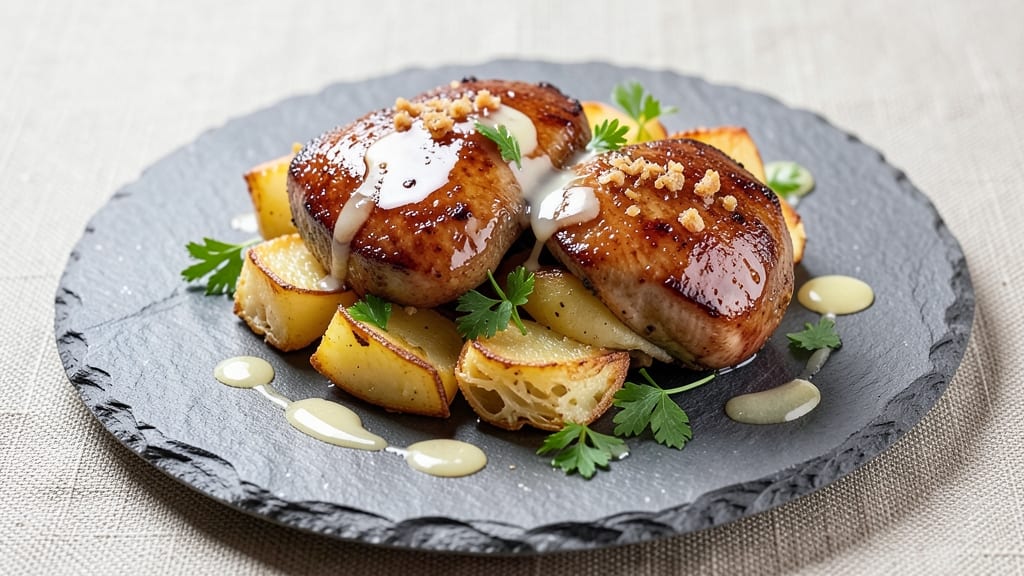
Transforming chicken liver and potatoes into a restaurant-quality dish starts with understanding how to handle offal and create a rich pan sauce that elevates simple ingredients.
This recipe delivers tender, flavorful chicken livers paired with perfectly cooked potatoes, all finished with a velvety sauce that turns leftovers into a luxurious meal. Growing up in small-town Georgia, I learned that offal like chicken liver could be just as delicious as prime cuts—when prepared with care.
The secret lies in proper searing and sauce reduction, which builds deep, savory flavors without overpowering the natural taste of the liver. You'll start by browning the livers in a hot pan, then deglazing with wine or broth to create a foundation for the sauce.
Meanwhile, the potatoes—whether pan-fried, roasted, or mashed—absorb the rich flavors, making every bite satisfying. This method ensures you won’t waste a single morsel.
By the time you plate this dish, you’ll have golden, crisp-edged potatoes and tender chicken livers swimming in a glossy pan sauce that’s both elegant and foolproof. The sauce clings to the potatoes, turning them into a hearty base while the livers add a luxurious touch.
This is the kind of meal that feels special without requiring hours in the kitchen—just precise technique and a few key ingredients.
Pair with caramelized onions or fresh herbs for extra brightness, and serve alongside crusty bread to soak up every last drop of that rich pan sauce. The result is a complete dish that’s restaurant-worthy but simple enough for a weeknight dinner. Let’s get started with the full recipe.
Ingredients for chicken liver with potato
Quality offal and simple potatoes transform into a luxurious meal with rich pan sauce.
| Ingredient | Amount | Notes |
|---|---|---|
| Chicken Livers 🍗 | 1 lb | Fresh, trimmed of connective tissue |
| Russet Potatoes 🥔 | 2 lbs | Medium size, peeled and quartered |
| Unsalted Butter 🧈 | ½ cup | Cold, cut into small cubes |
| Shallots 🧅 | 3 whole | Minced, or substitute 2 tbsp onion |
| Dry White Wine 🍷 | ½ cup | Sauvignon Blanc or Pinot Grigio |
| Chicken Stock 💧 | 1 cup | Homemade or high-quality store-bought |
| Heavy Cream 🥛 | ½ cup | Full-fat for velvety sauce |
| Fresh Thyme 🌿 | 1 tbsp | Leaves only, chopped finely |
| Fresh Parsley 🌿 | ¼ cup | Chopped, for garnish |
| Salt 🧂 | 1 ½ tsp | Kosher or sea salt, divided |
| Ground Black Pepper 🌶️ | ½ tsp | Freshly cracked |
| Olive Oil 🫒 | 2 tbsp | For pan searing |
The chicken livers are the star—freshness is critical here. Look for bright red, moist livers at your local butcher or grocery store meat counter, not the pre-packaged kind in the freezer section. If they feel slimy or have a strong ammonia smell, walk away. Trader Joe's and Whole Foods often carry the best quality, but even your neighborhood butcher can source excellent livers if you ask. Trim off any connective tissue or silver skin before cooking—this ensures tender bites. For the potatoes, Russets hold up best to roasting, but Yukon Golds add a creamier texture if you prefer. Peeled and quartered, they cook evenly and soak up the sauce beautifully. If you're short on time, microwave the potatoes for 5 minutes before roasting to cut down on cooking time.
No white wine? Substitute chicken stock with a splash of lemon juice—it brightens the sauce without overpowering. Fresh thyme is ideal, but dried thyme at half the amount works in a pinch. For the butter, full-fat is non-negotiable—low-fat versions won’t create the same velvety sauce. The heavy cream adds richness, but if you’re avoiding dairy, coconut cream mimics the texture closely. Swap shallots for onion or leek if needed, though shallots add a more delicate sweetness. Prefer a different potato? Baby potatoes roast faster and hold their shape well, while sweet potatoes add a subtle sweetness that pairs beautifully with the liver’s earthiness. For extra brightness, toss in a handful of fresh parsley at the end—it cuts through the richness and adds a pop of color.
This dish reheats beautifully—the sauce actually improves overnight as flavors meld. Store leftovers in an airtight container in the fridge for up to 3 days, or freeze for 2 months. To reheat, warm gently in a skillet with a splash of chicken stock or water to loosen the sauce. The potatoes will soften further, and the sauce will cling to them perfectly. For make-ahead prep, roast the potatoes a day ahead and refrigerate them—reheat with the livers for a quicker meal. The sauce can be made in advance too; just reheat it gently before serving to restore its velvety texture. Crusty bread is a must for soaking up every last drop of that luxurious pan sauce—keep a loaf on hand for serving.
Why You'll Love This Recipe
- One-Pan Magic: I swear by this—just toss livers and potatoes in the same skillet, and let the butter and wine work their magic. No chopping boards, no extra dishes, just pure simplicity that still feels special.
- Rich Without Effort: That first sip of white wine deglazing the pan? Pure flavor alchemy. The livers get tender and caramelized, while the potatoes soak up all the buttery, shallot-infused goodness—no fancy technique required.
- Weeknight to Weekend: Make it for a lazy Tuesday dinner or bring it to a potluck—it’s equal parts cozy and impressive. The leftovers? Even better the next day, especially with a sprinkle of fresh parsley.
- Budget Booster: Chicken livers are the ultimate pantry secret—cheap, protein-packed, and way more exciting than ground beef. A pound feeds four, stretches across meals, and turns a simple potato into something restaurant-worthy.
Step-by-step instructions for chicken liver and potatoes
This method transforms simple ingredients into a luxurious dish with velvety sauce and perfectly cooked potatoes.
Prepare and Parboil the Potatoes
Place the 2 lbs russet potatoes in a large pot and cover with cold water. Add 1 tsp of the 1.5 tsp salt and bring to a boil over high heat. Once boiling, reduce to a gentle simmer and cook for 8-10 minutes until the potatoes are fork-tender but still hold their shape when pierced.
Drain the potatoes immediately and return them to the pot. Toss them gently with 1 tbsp of the 0.5 cup unsalted butter, ensuring each potato is lightly coated. This step prevents drying during the final cooking and adds subtle richness. Cover the pot with a lid and let the potatoes steam for 5 minutes to finish cooking while you prepare the chicken livers.
Sear the Chicken Livers
Heat 2 tbsp olive oil in a large skillet over medium-high heat until shimmering. Working in batches to avoid overcrowding, add the 1 lb chicken livers and sear for 2-3 minutes per side until they develop a deep golden-brown crust. The livers should cook quickly—don't walk away, as they can go from perfect to overdone in seconds.
Remove the livers from the skillet and set them aside on a plate. Leave the rendered fat in the pan—this is where the flavor lives. If the pan appears dry, add 1 tsp olive oil to maintain heat. The livers should be medium-rare inside (slightly pink in the center) with a crisp exterior. If they release easily from the pan, they're ready.
Build the Sauce with Shallots and Wine
Reduce the heat to medium and add the 3 minced shallots to the skillet. Cook for 2-3 minutes until softened and translucent, stirring occasionally. Add 1 tbsp of the 0.5 cup unsalted butter and let it melt completely, coating the shallots in the golden fat.
Pour in the 0.5 cup dry white wine and scrape up any browned bits from the bottom of the pan with a wooden spoon. Let the wine simmer for 3-4 minutes until it reduces by half. This deglazing step captures all the caramelized flavors that would otherwise go down the drain.
Finish with Stock and Cream
Add the 1 cup chicken stock to the skillet and bring to a gentle simmer. Stir in the 1 tbsp chopped fresh thyme leaves and let the sauce reduce by half again, about 5-6 minutes. The sauce should thicken slightly and coat the back of a spoon.
Remove the skillet from heat and stir in the 0.5 cup heavy cream. Return to low heat and let it warm through for 1-2 minutes, stirring gently to avoid curdling. Season with the remaining 0.5 tsp salt and 0.5 tsp ground black pepper. The sauce should be smooth, velvety, and rich—ready to coat the chicken livers and potatoes.
Combine and Serve
Add the seared chicken livers back to the skillet and gently toss to coat them in the sauce. Let them warm through for 1-2 minutes. Transfer the livers to a serving platter and arrange the parboiled potatoes around them. Pour the remaining sauce over the top, ensuring everything is well-coated.
Garnish with the 0.25 cup chopped fresh parsley and serve immediately. Each bite should deliver tender, flavorful chicken livers with a luxurious sauce and perfectly cooked potatoes. The sauce should cling beautifully, transforming simple ingredients into a restaurant-worthy dish.
Pro Tips For Making Chicken Liver With Potato
- SEAR LIVERS IN BATCHES: Chicken livers release their juices like crazy, and if you crowd the pan, you’ll steam them instead of sear them. Work in two batches—three at the most—so they hit the pan with a sizzle, not a hiss. High heat is non-negotiable here; medium won’t cut it.
- SOAK POTATOES IN COLD WATER: I used to skip this, but peeling and cutting russets first, then soaking them in ice water for 20 minutes removes excess starch. When you drain and dry them thoroughly before roasting, you get that crispy edge instead of a gummy mess. Trust me, it’s worth the extra bowl.
- DEGLAZE WITH WINE AFTER LIVERS: Don’t pour that white wine in with the raw livers—it’ll turn to vinegar before you finish cooking. Wait until the livers are browned and removed, then hit the pan with the wine and a wooden spoon to scrape up those golden bits. That’s where the flavor lives.
- SALT THE POTATOES BEFORE ROASTING: Toss those cut potatoes with salt, pepper, and a little olive oil before they hit the oven. The salt draws out moisture, which crisps up beautifully, and it seasons them deeper than a sprinkle at the end. I know, I know—it’s one more step, but it makes a real difference.
Make-ahead tips for this chicken liver with potato
Prep Potatoes Ahead
Roast the potatoes 24 hours in advance and store them in an airtight container in the fridge. I like to toss them with 1 tbsp olive oil, ½ tsp salt, and ½ tsp black pepper before roasting at 400°F for 45 minutes.
This cuts your cooking day down significantly—just reheat them in a skillet with a splash of water for 5 minutes before adding to the sauce. 💡
Make the Sauce First
The pan sauce is the star, so build it a day ahead for deeper flavor. After searing the livers, reduce the wine and stock as directed, then finish with cream. Let it cool completely before refrigerating in a sealed container.
When ready to serve, reheat gently over low heat—this prevents curdling and restores its velvety texture. I often make a double batch for leftovers.
Freezer-Friendly Livers
If you’re short on time, freeze the raw livers in a single layer on a tray before transferring to a bag. Thaw them in the fridge overnight—they’ll cook just like fresh.
For extra insurance, parboil them for 2 minutes before searing to ensure even cooking. This method works perfectly for my weekly meal prep, especially when I’m hosting guests last-minute. ❄️
Sauce Boost for Leftovers
Reheated sauce can get watery, so thicken it with 1 tsp cornstarch mixed with cold water. Stir it into the simmering sauce until it reaches your desired consistency. Another trick? Add 1 tbsp cold butter at the end—it coats the sauce and makes it silky again.
I’ve served this dish cold the next day as a liver pâté with crusty bread, and it’s just as delicious. 💛
Herb Garnish Prep
Chop all your fresh herbs—parsley and thyme—the night before and store them in a small container with a damp paper towel. This keeps them vibrant and ready to garnish without wilting.
For extra flair, toast the herbs in a dry pan for 10 seconds before sprinkling—this intensifies their flavor and adds a subtle crunch. A little detail like this elevates the dish from home-cooked to restaurant-quality. ✨
Bread Pairing Prep
Toast a baguette or sourdough while the potatoes are roasting. Wrap it in foil and store at room temperature—it’ll stay fresh for 2 days.
The crusty bread is perfect for soaking up sauce, and prepping it ahead ensures you’re ready to serve as soon as the dish comes out of the oven. I keep a batch of this bread in my freezer for quick meals. 🥖
Nutrition facts
Frequently asked questions
Why do chicken livers need to be trimmed before cooking?
Trimming the connective tissue (silver skin) from chicken livers ensures they cook evenly and remain tender. The membranes can become chewy when cooked, so removing them guarantees a silky texture in every bite. Look for pale, fibrous bits—cut them away with kitchen scissors for the cleanest results.
Can I substitute potatoes with another vegetable?
Try parsnips or carrots for a similar earthy flavor, or sweet potatoes for natural sweetness. For a lighter option, swap in green beans or asparagus—just adjust cooking times (they’ll need less time than potatoes). The key is choosing veggies that hold up to the rich sauce.
What’s the best way to reheat leftovers?
Gently warm the dish in a skillet over low heat with a splash of chicken stock or water—this prevents the sauce from curdling. For extra richness, add 1 tbsp butter at the end. The potatoes will soften slightly, and the sauce will cling beautifully. Avoid microwaving—it makes the sauce watery.
How do I know when chicken livers are fully cooked?
Livers are done when they reach an internal temperature of 145°F and develop a golden-brown crust. The center should be slightly pink (not red) but firm to the touch. Overcooking turns them rubbery—remove them from the pan just before they’re fully set and let them rest briefly.
What’s the secret to a velvety pan sauce?
Reduction is key! Simmer the wine and stock until they’re half their original volume, then finish with cream on low heat to avoid curdling. A splash of cornstarch slurry (1 tsp cornstarch + 1 tbsp water) can thicken it further if needed. The sauce should coat the back of a spoon without being gluey.