
Main Courses
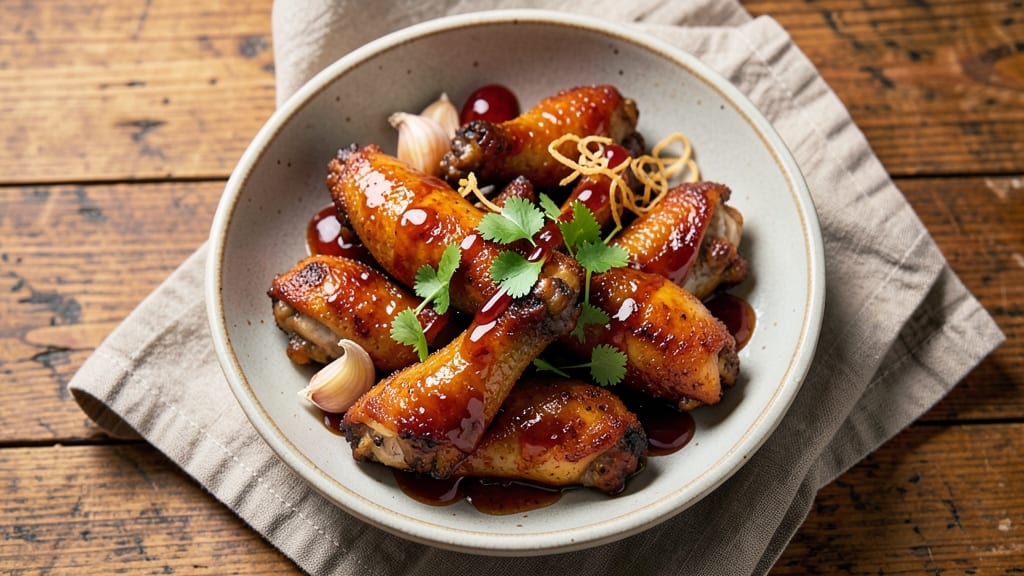
Mastering stove-top chicken wings with a sticky-sweet glaze that rivals takeout is simpler than you think—no oven required. I developed this method after years of perfecting restaurant-quality wings in my Atlanta kitchen, where crispy skin meets tender meat and a sauce so addictive you’ll want to keep dipping.
The secret lies in high-heat searing followed by a slow simmer in the glaze, creating wings that stay juicy while developing that signature caramelized crust.
This recipe delivers restaurant-quality results in just 45 minutes using basic pantry staples and one pot. You’ll start with wings tossed in a dry rub, seared to golden perfection, then finished in a homemade glaze that’s perfectly balanced between sweet and tangy.
The technique transforms tough chicken into melt-in-your-mouth bites without the mess of deep-frying or the wait time of an oven.
By the end, you’ll have wings that are crispy on the outside, tender on the inside, all coated in a glossy glaze that clings beautifully. The aroma alone will have everyone gathering around your stove, and the flavor?
Worth every sticky bite. Serve with classic ranch or blue cheese for the full experience—this is the kind of wing night that turns weeknights into celebrations.
Whether you’re feeding a crowd or treating yourself to a solo indulgence, this method scales effortlessly. The glaze keeps well, so you can make extra for leftovers or even double the batch for game day.
Here’s how to make wings that’ll have your guests asking for the recipe—and wondering why they ever ordered takeout.
Ingredients for chicken wing stove top
Crispy skin, tender meat, and sticky-sweet glaze—this stove-top method delivers restaurant wings at home.
| Ingredient | Amount | Notes |
|---|---|---|
| Chicken Wings 🍗 | 3 lb | Drumettes and flats, skin-on |
| Brown Sugar 🍚 | ½ cup | Packed, for glaze sweetness |
| Honey 🍯 | 0.38 cup | Pure, for glaze richness |
| Soy Sauce 🧂 | ¼ cup | Low-sodium preferred |
| Apple Cider Vinegar 🍎 | ⅛ cup | For tangy balance |
| Garlic Cloves 🧄 | 4 cloves | Mince for glaze |
| Fresh Ginger Root 🌿 | 1 tbsp | Finely grated, fresh preferred |
| Chicken Bouillon Powder 🍗 | 1 tbsp | For umami depth |
| Smoked Paprika 🌶️ | 1 tbsp | For dry rub color |
| Garlic Powder 🧄 | 1 tsp | For dry rub flavor |
| Onion Powder 🧅 | 1 tsp | For dry rub depth |
| Black Pepper 🌶️ | 1 tsp | Freshly ground preferred |
| Sea Salt 🧂 | 1 tsp | Kosher or fine grain |
| Olive Oil 🫒 | ¼ cup | High smoke point preferred |
The wings are everything here. Drumettes and flats work best—they cook evenly and stay juicy. I always grab freshly killed, never frozen wings for the best texture, but thawed quality frozen wings work in a pinch. Look for skin-on with minimal bruising. For the glaze, pure honey makes the difference—never that watered-down stuff in squeeze bottles. The brown sugar should be packed into your measuring cup for the right balance of sweetness and caramelization.
No soy sauce? Coconut aminos at a 1:1 ratio works great for a less salty option. Short on fresh ginger? Dried ginger at half the amount gets you close, though it won’t have that bright zing. Want to skip the vinegar? Lemon juice at a 1:1 ratio adds tang without altering the glaze’s stickiness. For the dry rub, cayenne pepper can be added at 0.25 tsp if you want extra heat. The garlic powder and onion powder are non-negotiable—they’re what ties the whole flavor profile together.
This glaze keeps beautifully for up to 5 days in the fridge—just reheat it gently in a saucepan. The wings? Best eaten fresh, but they reheat wonderfully in a 350°F oven for 10 minutes if you’re saving leftovers. For game day, double the batch and freeze portions in airtight containers for 3 months. I always make extra glaze—it’s perfect for dipping or drizzling over salads. The aroma alone will have everyone gathering around your stove.
Why You'll Love This Recipe
- No-Fuss Stovetop Magic: I swear by this method—just toss wings in a pot with honey, soy, and vinegar, then let them simmer. No flipping, no frying, no stress. The sticky glaze happens all by itself.
- Sweet-Savory Balance: That honey-brown sugar combo? It’s like a caramel hug for your taste buds, but the vinegar cuts through the richness so it’s never cloying. (Yes, even my picky husband asks for seconds.)
- Game for Any Gathering: Serve them as a snack with celery and ranch, or pile them over rice for dinner. I’ve taken this to potlucks, game nights, and lazy Sundays—it’s always a hit without trying too hard.
- Budget-Friendly Leftovers: A pound of wings costs less than takeout, and this recipe makes enough for two meals. Reheat them in the microwave or oven, and they’re just as good the next day—no sad, dry wings here.
Step-by-step instructions for sticky-sweet stovetop chicken wings
Here's how to transform simple chicken wings into restaurant-quality sticky glaze perfection.
Prepare the Dry Rub and Glaze Base
In a small bowl, combine the 1 tablespoon smoked paprika, 1 teaspoon garlic powder, 1 teaspoon onion powder, 1 teaspoon black pepper, 1 teaspoon sea salt, and 1 tablespoon chicken bouillon powder. Mix thoroughly until you achieve a fine, even powder. This dry rub will create that signature smoky depth and crispy texture on your wings.
In a separate medium saucepan, combine the 0.5 cup packed brown sugar, 0.375 cup honey, 0.25 cup soy sauce, and 0.125 cup apple cider vinegar. Place this over medium heat and stir constantly until the mixture begins to bubble and thicken slightly—about 3-4 minutes. You'll notice it transform from a loose liquid into a syrupy consistency, with a rich aroma that signals the glaze is ready for the next ingredients.
Cook the Wings in Olive Oil
Pat the 3 lb chicken wings completely dry with paper towels—this is crucial for achieving crispy skin. In a large, heavy-bottomed skillet, heat 0.25 cup olive oil over medium-high heat until it shimmers but doesn't smoke. Add the wings in a single layer, being careful not to overcrowd the pan. Cook for 8-10 minutes, turning occasionally, until the wings are golden brown and the skin begins to crisp.
Here's the thing—don't walk away. The wings will release easily when they're ready to flip. If you notice the oil smoking excessively, reduce the heat slightly to maintain a steady sizzle without burning. Once the wings are golden and crispy, remove them from the skillet and set them aside on a wire rack or paper towel-lined plate to drain excess oil.
Build the Glaze and Coat the Wings
Return the saucepan with the glaze base to the heat and add the 4 minced garlic cloves and 1 tablespoon finely grated fresh ginger root. Stir for 1-2 minutes until the garlic becomes fragrant and the ginger dissolves completely into the syrup. This step infuses the glaze with aromatic depth that will elevate the flavor profile of your wings.
Now, pour the glaze over the cooked wings in the skillet. Using tongs, turn the wings to coat them evenly in the sticky mixture. Increase the heat to medium-high and let the wings cook for 5-7 minutes, stirring occasionally, until the glaze begins to caramelize and form a glossy, thick coating. You'll see the wings glisten with a deep amber hue—this is your signal that the glaze is perfectly set.
Finish with a Sticky, Glossy Coating
Once the glaze has thickened and the wings are fully coated, reduce the heat to low and continue cooking for an additional 3-5 minutes, stirring gently. This final step ensures the glaze fully adheres to the wings and achieves that signature sticky texture. The wings should be coated in a glossy, caramelized layer that clings to each piece.
For the ultimate finish, transfer the wings to a serving platter and let them rest for 2-3 minutes. This brief resting period allows the glaze to set slightly, making it easier to handle without drips. Serve immediately while the glaze is still warm and sticky—each bite should deliver a perfect balance of sweet, tangy, and savory flavors with a satisfying crunch from the crispy skin.
Pro Tips For Making Chicken Wing Stove Top
- CRACK THE WINGS FIRST: Pat them dry after parboiling—wet skin sticks to the pan and turns your crispy goal into soggy regret. I learned this the hard way when my first batch came out glued to the skillet like overstayed guests.
- SWEAT THE VINEGAR: Add apple cider vinegar after the wings hit the pan—it burns off fast and disappears if you toss it in too early. Save it for the last 2 minutes when you’re ready to deglaze and baste, or your sauce will taste flat.
- DON’T SKIP THE REST: Let the wings sit 5 minutes off heat under foil after cooking—they’ll finish cooking from residual heat while the sauce thickens. I used to rush this and ended up with dry wings and a runny glaze every time.
- SALT THE PAN HOT: Season the skillet with a pinch of salt before the wings go in—it prevents sticking and gives the first batch a head start on crispiness. (Yes, even if you’re impatient like me.) The wings will thank you more than the recipe ever will.
Perfect pairings for this dish
Classic Ranch Dip
This glaze pairs perfectly with homemade ranch dressing—the creamy, herby contrast cuts through the sweetness beautifully.
I whip up mine with 1 cup sour cream, ½ cup mayonnaise, 1 tablespoon fresh dill, 1 tablespoon fresh parsley, 1 teaspoon garlic powder, and ½ teaspoon onion powder, seasoned with ½ teaspoon salt and ¼ teaspoon black pepper.
Serve it chilled in a bowl with extra herbs sprinkled on top for that restaurant-quality presentation. 🥄
Spicy Sriracha Mayo
For heat lovers, a homemade sriracha mayo elevates these wings to another level. Mix ½ cup mayonnaise with 2 tablespoons sriracha (I love Huy Fong Classic Sriracha), 1 teaspoon honey, and a pinch of smoked paprika.
The sweet heat balances the glaze’s richness while adding a tangy kick. Drizzle it over the wings or serve it on the side for dipping. 🌶️
Crispy Celery Sticks
Fresh crunchy celery sticks are a must for any wing spread. Cut 4 large celery stalks into 2-inch pieces and serve them in a bowl with a side of ranch or blue cheese dressing for dipping.
The crisp texture and coolness provide a refreshing contrast to the warm, sticky wings. I always include a small bowl of carrot sticks too for extra crunch. 🥕
Blue Cheese Crumbles
A sprinkle of blue cheese crumbles adds a bold, tangy element that complements the sweet glaze perfectly. I use ½ cup crumbled blue cheese (like Gorgonzola or Stilton) and toss it lightly over the wings just before serving.
The sharp, creamy flavor cuts through the sweetness and adds a luxurious touch. For extra flair, serve it in a small bowl on the side with toothpicks. 🧀
Pickled Vegetables
Quick-pickled vegetables add a bright, acidic contrast that keeps the meal balanced. Thinly slice 1 cup red onions and 1 cup cucumbers, then toss them with ½ cup apple cider vinegar, 1 tablespoon sugar, and ½ teaspoon salt.
Let them sit for 15 minutes before serving. The tangy crunch cleanses your palate between each sticky bite. 🥒
Craft Beer Pairings
For the ultimate wing night, pair these sticky-sweet wings with a crisp American lager like Budweiser or Coors Banquet—the light, clean flavors won’t overpower the glaze.
If you prefer something bolder, a hazy IPA (like New Belgium Fat Tire) adds a fruity, hoppy contrast that stands up to the sweetness. For a non-alcoholic option, try a ginger beer like Feather Ginger Ale—the spicy kick complements the wings perfectly. 🍺
Nutrition facts
Frequently asked questions
Can I use frozen chicken wings for this recipe?
Yes, but thaw them completely first in the refrigerator for 24 hours or use the cold water method (sealed in a bag for 30 minutes). Never microwave—it creates uneven cooking. Pat them completely dry before seasoning to ensure crispy skin.
How do I prevent the glaze from burning while cooking?
Keep the heat at medium-high and stir frequently during the final 5-7 minutes of cooking. If it starts to darken too quickly, reduce to medium heat and let it caramelize slowly. The glaze should coat the wings evenly without burning.
Can I make this recipe in a smaller pan?
Use a 10-inch cast iron skillet or heavy-bottomed pan for 2 lbs of wings. Cook in batches if needed, but avoid overcrowding—the wings need space to crisp. A smaller pan also helps concentrate the glaze for extra stickiness.
What if I don't have apple cider vinegar?
Substitute with lemon juice (1:1 ratio) or white vinegar (reduce by 1 teaspoon due to stronger acidity). The tang remains, though apple cider adds subtle depth. For a sweeter option, use pineapple juice (reduce by 2 tablespoons).
How do I reheat leftover wings without drying them out?
Place wings in a 350°F oven for 10 minutes on a wire rack over a baking sheet. For stovetop, heat in a skillet over medium-low heat with 1 tablespoon water or broth for 3-4 minutes. The glaze will soften but stay sticky. Avoid microwaving—it ruins the texture.