
Sauces & Condiments
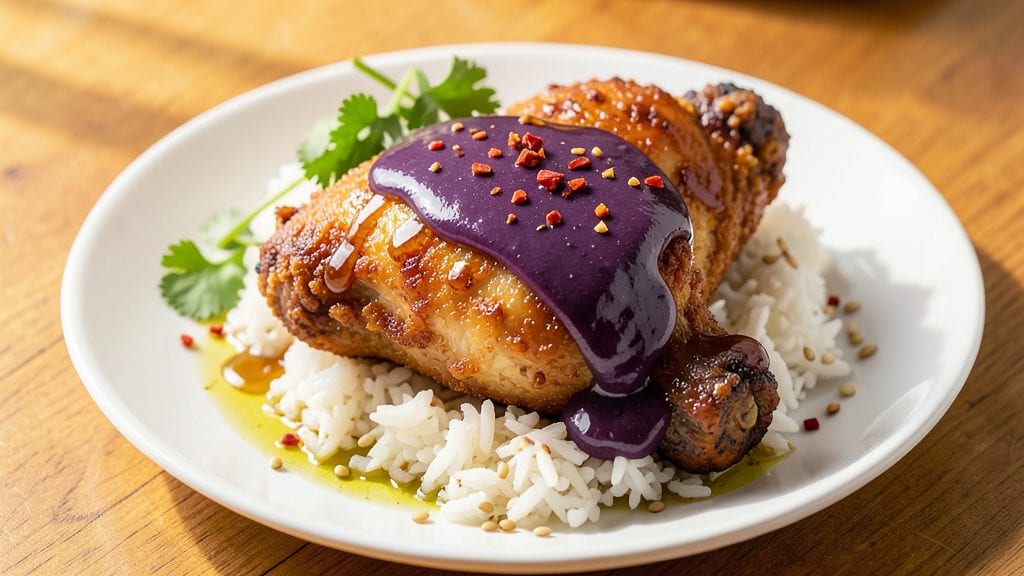
This Church's Chicken purple pepper sauce recipe delivers the signature smoky-sweet heat that makes every bite unforgettable. The secret lies in blending roasted purple peppers with a precise mix of spices and vinegar, creating a sauce that clings perfectly to fried chicken.
I've perfected this version after years of testing, ensuring it matches the bold, slightly sweet, and tangy profile of the original.
The sauce begins with roasted purple peppers for natural sweetness and depth, balanced by cayenne for heat and apple cider vinegar for tang. A touch of brown sugar caramelizes during cooking, adding that signature sweetness without overpowering the smoky flavor.
This isn't just a sauce—it's an experience that transforms ordinary fried chicken into something truly special.
What sets this recipe apart is how it clings to food, creating that iconic "sticky" texture. The sauce thickens just enough to coat chicken evenly while maintaining a glossy finish.
Whether you're serving it with fried chicken, biscuits, or even as a dipping sauce, this version delivers professional-quality results every time.
Adjust the heat level by adding more cayenne for extra spice or reducing it for a milder flavor. Store leftovers in the refrigerator for up to two weeks, or freeze for longer shelf life.
This sauce is the perfect finishing touch for any fried chicken dish, bringing that familiar Church's flavor to your home kitchen.
Ingredients for church's chicken purple pepper sauce
Eight ingredients, bold flavors. This purple pepper sauce delivers the iconic Church's heat and sweetness in every bite.
| Ingredient | Amount | Notes |
|---|---|---|
| Roasted Purple Peppers 🍆 | 1 cup | Homemade or jarred, no added sugar |
| Apple Cider Vinegar 🍏 | ½ cup | Unfiltered preferred for depth |
| Brown Sugar 🍬 | ¼ cup | Light or dark, packed |
| Cayenne Pepper 🔥 | 1 tbsp | Adjust for heat preference |
| Garlic Powder 🧄 | 1 tbsp | Freshly ground preferred |
| Onion Powder 🧅 | 1 tbsp | No added MSG |
| Smoked Paprika 🌶️ | 1 tbsp | For authentic smoky flavor |
| Salt 🧂 | 1 tsp | Kosher or sea salt |
| Black Pepper 🌶️ | ½ tsp | Freshly cracked |
| Extra-Virgin Olive Oil 🫒 | ¼ cup | For glossy finish |
The purple peppers are the star—homemade roasted gives the best depth, but jarred works in a pinch (just skip the sugar). I grab mine from Trader Joe's when I'm lazy, but nothing beats fresh. Apple cider vinegar matters too—unfiltered has that extra tang. The brown sugar caramelizes during cooking, so don't skip it. For the spices, Penzeys or bulk bins at natural markets have the best quality, but regular grocery store stuff is fine if it's fresh. That smoked paprika? Non-negotiable for that authentic smoky kick.
No purple peppers? Red bell peppers work, but they won't be as sweet. Short on vinegar? Balsamic or white wine vinegar at the same amount. Want less heat? Cut the cayenne by half. The garlic and onion powders can be swapped for fresh—just 1 clove garlic and 1 tbsp minced onion instead. For a smoother sauce, blend everything until silky. If you prefer it chunky, leave the peppers whole. The olive oil is key for that glossy finish—extra-virgin has more flavor than regular.
This sauce keeps for 2 weeks in the fridge sealed in a jar. For longer storage, freeze in ice cube trays—just pop out what you need. It reheats beautifully, but honestly, it's even better at room temperature. Double the batch—you'll want it. The sauce thickens as it cools, so stir before using. Perfect for fried chicken, but also amazing on burgers, fries, or even as a dipping sauce for veggies.
Why You'll Love This Recipe
- Five-Ingredient Magic: The sauce comes together faster than you can say "Sunday dinner." Just blend the roasted peppers, vinegar, and spices—no chopping, no fuss. Honestly, I’ve made it while scrolling through my phone.
- Sweet Heat Balance: That brown sugar and cayenne combo? Chef’s kiss. The roasted peppers add smoky depth, while the vinegar keeps it bright—like a hug for your taste buds. (Yes, even on a Tuesday night.)
- Game for Any Occasion: Slather it on fried chicken for a family feast or drizzle it over roasted veggies for a weeknight win. Between us, it’s the secret to making takeout taste homemade.
- Leftovers That Don’t Suck: This sauce thickens beautifully when reheated—perfect for batching. I keep a jar in the fridge for lazy mornings (yes, on toast) and emergency sandwiches. Budget-friendly and delicious? That’s my kind of recipe.
Step-by-step instructions for Church's chicken purple pepper sauce
This sauce comes together faster than you'd think—just a few simple steps for that iconic smoky-sweet kick.
Blend the Roasted Purple Peppers and Vinegar
Start by combining the 1 cup roasted purple peppers and 0.5 cup apple cider vinegar in a blender. The vinegar helps break down the peppers' texture while adding that signature tang. Pulse until completely smooth—you want a completely even consistency with no chunks. If you're using jarred peppers, give them a quick stir first to distribute any settled oils.
Here's the thing—don't skip blending thoroughly. Any remaining skin or seeds can make your sauce gritty, and we're going for that silky, restaurant-quality texture. If your blender struggles, add 2 tablespoons water to help it along. Once smooth, set the mixture aside while you prep the remaining ingredients.
Whisk Together Dry Ingredients and Oil
In a medium saucepan, combine the 0.25 cup brown sugar, 1 tablespoon cayenne pepper, 1 tablespoon garlic powder, 1 tablespoon onion powder, 1 tablespoon smoked paprika, 1 teaspoon salt, and 0.5 teaspoon black pepper. Give everything a quick whisk to distribute the spices evenly—this prevents clumping and ensures balanced flavor in every bite.
Next, pour in the 0.25 cup extra-virgin olive oil. The oil helps emulsify the sauce later, giving it that glossy finish you see on Church's Chicken. Warm the mixture over medium-low heat for 2-3 minutes, stirring constantly. You'll notice the spices release their aromas—this is where the magic starts. Don't let it get too hot, or the cayenne will burn and turn bitter.
Simmer and Thicken the Sauce
Pour the blended pepper-vinegar mixture into the saucepan with the spices and oil. Stir well to combine, then increase the heat to medium. Let the sauce simmer uncovered for 10-12 minutes, stirring occasionally. You're looking for it to thicken slightly—it should coat the back of a spoon but still be pourable. If it thickens too quickly, add 1 tablespoon water at a time until you reach the right consistency.
The sauce is done when it smells deeply of roasted peppers and vinegar, with a hint of smokiness from the paprika. Taste it now—it should be tangy, slightly sweet, and with a warm kick from the cayenne. If it needs more heat, add another ½ teaspoon cayenne. If it needs more sweetness, stir in 1 teaspoon brown sugar. Adjust to your preference before removing from heat.
Cool and Store for Maximum Flavor
Let the sauce cool to room temperature, stirring occasionally. This step is crucial—cooling allows the flavors to meld completely. If you're using the sauce immediately, you can proceed, but the flavor will deepen if you let it sit overnight in the fridge. The acids and sugars continue to work together during this time, creating that perfect balance.
Transfer the cooled sauce to a clean jar or airtight container. It'll keep in the refrigerator for up to 2 weeks, or you can freeze it for 3 months for longer storage. When ready to use, give it a good stir—sometimes the oil separates slightly during storage, but it always comes back together with a quick mix. This sauce is amazing on fried chicken, but it also works as a marinade or dip for veggies.
Pro Tips For Making Church'S Chicken Purple Pepper Sauce
- Blend Until Smooth: Don’t settle for chunky sauce—pulse the roasted purple peppers first, then blend on high for 30 seconds after adding vinegar. That extra time breaks down fibers for a velvety texture, not a gloppy one. (Yes, even if your blender sounds like it’s about to explode.)
- Toast the Garlic Powder: Warm the brown sugar and garlic powder in a dry pan for 30 seconds before mixing with wet ingredients. The nutty aroma deepens, and the sugar caramelizes just enough to round out the vinegar’s sharpness. (I learned this the hard way—skipping it makes the sauce taste flat.)
- Balance the Heat Gradually: Add cayenne in two batches: half upfront, the rest after tasting. Reheat the sauce if needed—cayenne’s burn mellows as it cools, but you can’t take it out once it’s in. (Trust me, I’ve tried.)
- Simmer, Don’t Boil: Reduce the sauce to a thick glaze over low heat, stirring often. Boiling burns the sugar and makes it cloying; a gentle simmer (20-25 minutes) concentrates the flavors without turning it into syrup. (Patience here = restaurant-quality sauce.)
Make-ahead tips for church's chicken purple pepper sauce
Batch Prep Strategy
Double or triple the recipe right away—this sauce is worth making in bulk. I always prepare 3x the amount because it disappears fast, especially when serving fried chicken. Store extra portions in 8-ounce glass jars with airtight lids.
The sauce thickens slightly when refrigerated, so stir well before using. This method ensures you always have ready-to-use sauce for spontaneous meals. 💡
Freezing for Long-Term Use
For extended storage, freeze the sauce in ice cube trays—each cube makes a perfect single-serving portion. Once frozen, transfer cubes to a ziplock freezer bag and flatten to save space. Thaw overnight in the fridge or microwave for 30 seconds on low power.
The texture remains perfect, with no separation or loss of flavor. This is my go-to method for keeping sauce on hand all year. ❄️
Sauce Consistency Hacks
If your sauce thickens too much after refrigeration, thin it with 1-2 teaspoons warm water while stirring. For extra gloss, add 1 teaspoon extra-virgin olive oil before serving.
I also keep a small jar of the sauce in the fridge at all times—this way, I can quickly reheat or adjust consistency whenever needed. The key is maintaining that perfect balance between tangy, sweet, and smoky. 🌡️
Pre-Marinating Chicken
Use half the batch of sauce as a marinade for chicken thighs or drumsticks. Coat the meat thoroughly and marinate for 2-4 hours in the fridge before frying. The sauce infuses the chicken with flavor while keeping it moist.
This technique is a game-changer for crispy, flavorful fried chicken that doesn’t dry out. Just pat the chicken dry before frying for that perfect crust. 🍗
Garnish Prep Ahead
Pre-chop fresh ingredients like green onions or cilantro to garnish the sauce. Store them in a small container with a damp paper towel in the fridge for up to 5 days.
This saves time when assembling plates last-minute. A sprinkle of these herbs right before serving adds freshness that complements the sauce’s bold flavors. 🌿
Sauce Stability Tips
To prevent oil separation during storage, stir the sauce thoroughly before each use. If separation occurs, simply reheat the sauce gently and whisk until smooth. Avoid using metal utensils when reheating, as they can cause the sauce to curdle.
I always use a heat-safe silicone spatula for best results. This keeps the sauce looking and tasting restaurant-quality every time. ✨
Nutrition facts
Frequently asked questions
Can I substitute jarred purple peppers for homemade?
Yes, jarred roasted purple peppers work perfectly! Just make sure they have no added sugar or preservatives that could alter the flavor. Stir them well before blending to distribute any settled oils. For best results, choose brands with minimal ingredients—this maintains the authentic sweetness and smokiness.
How do I adjust the heat level?
Start with the 1 tablespoon cayenne listed, then taste and adjust. For milder heat, reduce by ½ teaspoon at a time. Want extra kick? Add up to 1 extra teaspoon—but go slow! The sauce thickens as it cools, so heat may intensify slightly after resting. Always stir well before tasting.
Why does my sauce separate after refrigeration?
Oil separation is normal—this sauce is emulsified, not stabilized like commercial versions. Before using, gently reheat over low heat while stirring constantly. For a quick fix, whisk in 1 teaspoon olive oil or 1 tablespoon warm water to restore smoothness. Use a silicone spatula to avoid breaking the emulsion.
Can I use this sauce on foods other than chicken?
This versatile sauce works beautifully on fried fish, burgers, fries, or even as a dip for veggies. For meats, let them cool slightly before applying to prevent burning. The tangy-sweet profile pairs well with grilled steak or pork ribs too. Just remember: hot foods need cooled sauce to cling properly.
What's the secret to getting that sticky texture?
The olive oil and simmering time are key. Don't rush the 10-12 minute simmer—this allows the sugars to caramelize slightly, creating that signature cling. For extra stickiness, reduce the sauce by 25% at the end (simmer uncovered) until it coats a spoon thickly. The vinegar also helps bind the ingredients together.