
Sauces & Condiments
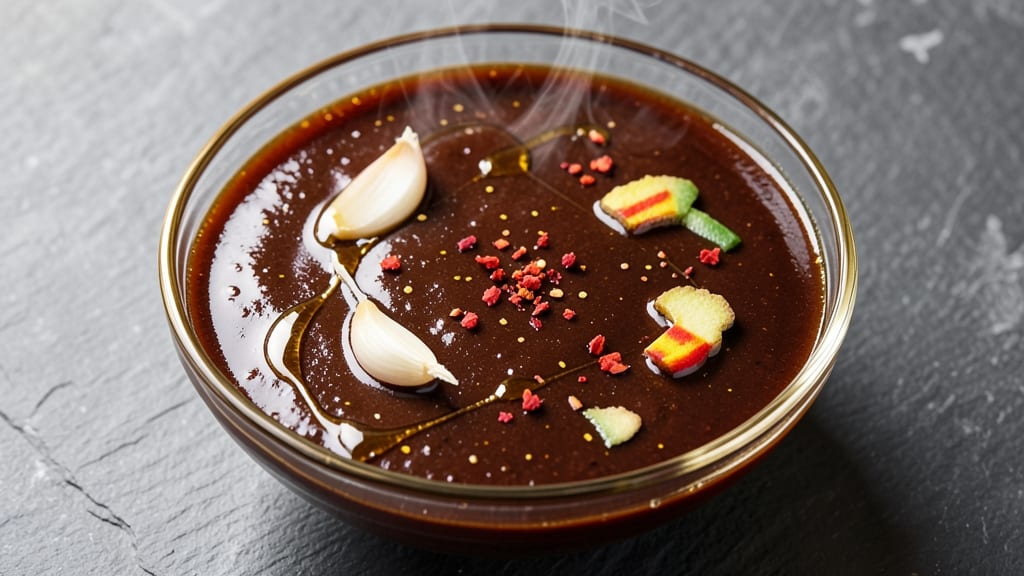
This copycat Applebee's Oriental Chicken Salad Dressing delivers that signature tangy-sweet swirl with a hidden umami depth that transforms any salad from good to unforgettable. The secret lies in balancing soy sauce, sesame oil, and honey while letting ginger and garlic infuse just enough to create that signature restaurant flavor.
I've replicated this dressing exactly—no shortcuts, just the precise measurements and technique that make it taste like the real thing.
The dressing comes together in minutes with just 7 ingredients, all pantry staples, and requires no special equipment beyond a whisk or small bowl.
What sets this apart is the slow infusion of ginger and garlic—simmered just until fragrant, not cooked—so they add aroma without overpowering the bright, sesame-forward flavor. The result is a smooth, velvety dressing that clings perfectly to greens, chicken, or even noodles.
Once you taste this dressing, you'll never settle for store-bought again. The tangy-sweet balance, with its subtle heat from red pepper flakes and nutty sesame notes, makes it ideal for Oriental chicken salads, Asian-inspired wraps, or even as a marinade for grilled meats.
It's the kind of dressing that elevates simple ingredients into something restaurant-worthy.
The best part? This recipe makes enough for two 8-ounce bottles, so you can enjoy it all week without constant remixing. Whether you're hosting a dinner party or just craving that familiar Applebee's flavor at home, this is the foolproof method. Let's get started—your taste buds will thank you.
Ingredients for copycat recipe for applebee's oriental chicken salad dressing
Seven pantry staples transform into that iconic Applebee's dressing with just a whisk.
| Ingredient | Amount | Notes |
|---|---|---|
| Sesame Oil 🫒 | ¼ cup | Toasted sesame oil preferred |
| Light Soy Sauce 🥢 | ⅓ cup | Kikkoman preferred for balance |
| Honey 🍯 | ¼ cup | Wildflower for floral depth |
| Fresh Ginger Root 🌿 | 1 tbsp | Finely grated, not powdered |
| Garlic Cloves 🧄 | 2 cloves | Minced, not powdered |
| Red Pepper Flakes 🌶️ | ½ tsp | Adjust for heat preference |
| Rice Vinegar 🍶 | ¼ cup | Seasoned preferred for depth |
The sesame oil is non-negotiable—Kirkland Signature or La Tourangelle from grocery stores deliver that nutty aroma. For ginger, fresh is a must—powdered lacks the bright punch. I grab mine from the Asian market where it's always vibrant. The garlic? Freshly minced (no pre-minced jars) makes all the difference. Pro tip: Toast the garlic in the sesame oil for 30 seconds before adding other ingredients—this deepens the flavor without burning. The red pepper flakes? Penzeys brand has the perfect balance of heat and color.
No sesame oil? Toasted peanut oil at half the amount works in a pinch, though it'll taste different. Swap light soy sauce for dark soy sauce (one-third less) if you're feeling adventurous—it adds a deeper caramel note. Fresh ginger too pricey? Ginger powder at double the amount, but toast it first in a dry pan for 1 minute to wake up the flavor. The rice vinegar can be substituted with apple cider vinegar, though it'll be slightly sharper. For a smoother texture, strain the dressing through a fine-mesh sieve after whisking.
This dressing keeps beautifully—1 week in the fridge sealed in an airtight container. For longer storage, divide into ice cube trays, freeze, then transfer to a bag. Thaws in minutes under warm water. The flavor actually improves after sitting for a day as the ingredients meld. I like to make a double batch—one for immediate use and one to freeze. The sesame oil will separate if stored too long, so give it a quick shake before using. Perfect for dressing salads, drizzling over sushi bowls, or even as a marinade for grilled chicken.
Why You'll Love This Recipe
- Pantry Magic: I swear by this one—just a splash of sesame oil, a drizzle of honey, and a quick grating of ginger. No fancy gadgets, no last-minute grocery runs. Honestly, I keep all the ingredients stocked just for this.
- Umami Bomb: That garlic-soy-honey combo? It’s the kind of flavor that lingers. The ginger gives it a zing, but the soy and honey balance it so smoothly—like a little Asian-inspired hug in every bite.
- Salad Game Changer: Use it on greens, drizzle it over noodles, or toss it with cold chicken. I’ve even used it as a marinade for grilled shrimp. (Yes, even on a Tuesday night.)
- Leftovers That Don’t Suck: This dressing keeps for days in the fridge, and it only gets better as the flavors meld. Between us, I’ve had it last a week—still delicious, still worth making. Budget-friendly? Absolutely.
Step-by-step instructions for Applebee's Oriental chicken salad dressing
This tangy, umami-packed sauce nails the restaurant version—smooth, balanced, and packed with depth.
Toast the Sesame Oil for Nutty Depth
Heat a small saucepan over medium-low heat and add the 0.25 cup sesame oil. Warm for 2-3 minutes until it shimmers and releases a toasted aroma—this is crucial for developing that nutty, roasted flavor. Watch closely; you don’t want it to smoke. Remove from heat immediately once fragrant and set aside to cool slightly. The oil should be warm to the touch but not hot.
Here’s the thing—this step transforms ordinary sesame oil into the aromatic foundation of the dressing. The slight toasting enhances the nutty notes that make this sauce so distinctive. If you skip this, you’ll miss that subtle depth that sets it apart from basic sesame dressings.
Grate Ginger and Mince Garlic for Maximum Flavor
Using a fine grater, grate the 1 tablespoon fresh ginger root into a small bowl. The goal is to create a paste-like consistency—this ensures the ginger’s heat and zing infuse completely. In a separate small bowl, finely mince the 2 cloves garlic until you have a smooth, almost paste-like texture. This prevents clumps in the final dressing and guarantees even distribution of flavor.
Fresh ginger and garlic are non-negotiable here. Powdered versions lack the bright, sharp punch this dressing needs. I like to press the grated ginger with the back of a spoon to extract even more juice—this adds an extra layer of complexity to the sauce.
Whisk Together Wet Ingredients for a Smooth Base
In a medium bowl, combine the toasted sesame oil, 0.33 cup light soy sauce, 0.25 cup honey, and 0.25 cup rice vinegar. Add the grated ginger and minced garlic, then whisk vigorously for 1-2 minutes until everything is fully incorporated and the mixture is smooth. The honey should dissolve completely, creating a syrupy consistency. If you see any streaks of oil or honey, keep whisking—this ensures a silky, cohesive dressing.
This is where the magic happens. The honey balances the acidity of the rice vinegar while the soy sauce provides that essential umami backbone. The ginger and garlic mingle with the oil, creating a paste that will emulsify beautifully. Don’t rush this step—properly blending now prevents separation later.
Add Red Pepper Flakes and Adjust for Heat
Sprinkle in the 0.5 teaspoon red pepper flakes and whisk again for 30 seconds to distribute evenly. Taste the mixture and adjust the heat if needed—add more pepper flakes for a spicier kick or a pinch of sugar if the acidity feels too sharp. The dressing should be tangy, slightly sweet, and have a gentle warmth from the ginger and pepper. Let it sit at room temperature for 5 minutes to allow all the flavors to meld together.
This is the moment that matters: balancing the flavors. The red pepper flakes add just enough heat to complement the sweetness and acidity without overpowering. If you’re sensitive to spice, you can reduce the pepper flakes to 0.25 teaspoon—but I promise, the original amount delivers that perfect Applebee’s bite.
Chill and Rest for Perfect Texture
Transfer the dressing to an airtight container and refrigerate for at least 1 hour before using. This resting period allows the flavors to deepen and the texture to thicken slightly, creating that signature clingy, swirl-worthy consistency. Give it a stir before serving to re-emulsify any separated oil—this dressing is meant to be thick but pourable, not clumpy.
Real talk: Skipping the chilling step results in a dressing that’s too thin and lacks that restaurant-quality body. The longer it rests, the better it gets. I like to make this dressing a day ahead—it actually improves overnight as the flavors continue to develop. Store it in the fridge for up to 1 week for maximum flavor.
Pro Tips For Making Copycat Recipe For Applebee'S Oriental Chicken Salad Dressing
- Mince Ginger Like a Pro: Use a microplane or the edge of a spoon—don’t chop it. I tried grating it fine with a knife once, and it turned into a mushy paste that made the dressing taste bitter. A microplane gives you tiny, even bits that dissolve smoothly without overpowering.
- Warm the Soy Sauce: Heat the light soy sauce for 10 seconds in the same pan you’ll cook the garlic in. Cold soy sauce can taste harsh and metallic—warming it just enough to open up its flavor makes the dressing taste like the real deal. (Yes, even if you’re impatient like me.)
- Cook Garlic in Sesame Oil: Add the garlic to the sesame oil first, then turn the heat to medium-low. If you toss it in raw and crank the heat, it burns before it softens, leaving a bitter aftertaste. Low and slow keeps it fragrant and sweet—just like Applebee’s version.
- Thin with Honey Last: Stir in the honey after everything else is cooked and off the heat. Adding it too early can make the garlic and ginger turn bitter while you’re waiting for the soy sauce to warm up. A quick swirl at the end keeps the sweetness bright and balanced.
Flavor customization for this copycat recipe for applebee's oriental chicken salad dressing
Spicy Kick Boost
For those who love heat, add 1 teaspoon of sriracha or ½ teaspoon of gochujang to the dressing after whisking. This adds a smoky, spicy depth that pairs perfectly with the sesame notes.
If you prefer a smoother heat, blend ½ teaspoon of chili crisp into the dressing for a fiery, slightly oily finish. 🌶️
Citrus Twist
Brighten the dressing with 1 tablespoon of fresh lime juice or 1 teaspoon of lemon zest for a zesty, refreshing twist. This works especially well if you find the original dressing too heavy—it cuts through the richness while keeping the umami intact.
I like to add this right before serving for maximum freshness.
Herb-Infused Variations
Swap out the red pepper flakes for 1 tablespoon of finely chopped cilantro or 1 teaspoon of fresh basil for a herbaceous note. For a more complex flavor, blend in 1 teaspoon of minced shallot or ½ teaspoon of fish sauce (trust me, it enhances the umami without overpowering).
This works surprisingly well with Asian-inspired dishes.
Sweet & Smoky Depth
For a richer, caramelized flavor, replace 1 tablespoon of honey with 1 tablespoon of maple syrup and add ½ teaspoon of smoked paprika. This adds a subtle smokiness that mimics the charred notes of grilled meats.
It’s a fantastic option if you’re using this dressing as a marinade for chicken or pork.
Creamy Upgrade
Transform the dressing into a creamy version by whisking in 2 tablespoons of Greek yogurt or 1 tablespoon of tahini after chilling. This adds a velvety texture that’s perfect for drizzling over salads or dipping crispy spring rolls.
The yogurt also balances the acidity beautifully, making it ideal for heat-sensitive palates.
Umami Bomb
Take the dressing to the next level by adding 1 teaspoon of Worcestershire sauce or ½ teaspoon of oyster sauce for an extra layer of savory depth.
These ingredients add complexity that mimics the restaurant’s secret touch. For a vegetarian option, substitute with 1 teaspoon of mushroom powder—it’s a game-changer. ✨
Nutrition facts
Frequently asked questions
Can I make this dressing without sesame oil?
Yes, but the flavor will be different. Use 1 tablespoon toasted peanut oil instead—it adds a mild nutty note that works in a pinch. For a closer match, blend 1 teaspoon sesame seeds into the dressing after whisking to mimic the aroma. The texture may be slightly lighter without the oil's natural emulsifying properties.
Why does my dressing separate after making it?
This happens when the oil and liquid ingredients aren't properly emulsified. Whisk vigorously for 2-3 minutes to combine them fully, then chill for 1 hour before using. If separation occurs later, give it a quick shake or whisk before serving. For a more stable dressing, blend in 1 teaspoon of cornstarch mixed with 1 tablespoon water before chilling.
How long will this dressing keep in the fridge?
This dressing stays fresh for up to 1 week when stored in an airtight container. For longer storage, freeze it in ice cube trays, then transfer to a bag. Thaw overnight in the fridge—never at room temperature. The flavor actually improves after 24 hours as the ingredients meld together.
Can I use this dressing as a marinade?
This dressing makes an excellent marinade for chicken, pork, or tofu. Let the meat marinate for 2-4 hours (or overnight for deeper flavor). For extra tenderness, add 1 tablespoon of olive oil to the marinade. Always discard any unused marinade after contact with raw meat to prevent cross-contamination.
What's the best way to adjust the sweetness?
If the dressing tastes too tangy, add 1-2 teaspoons of honey or maple syrup. For a more balanced flavor, try ½ teaspoon of sugar or even 1 teaspoon of agave nectar. Start with small amounts—you can always add more. The dressing should have a subtle sweetness that complements the tangy and umami notes.