
Sauces & Condiments
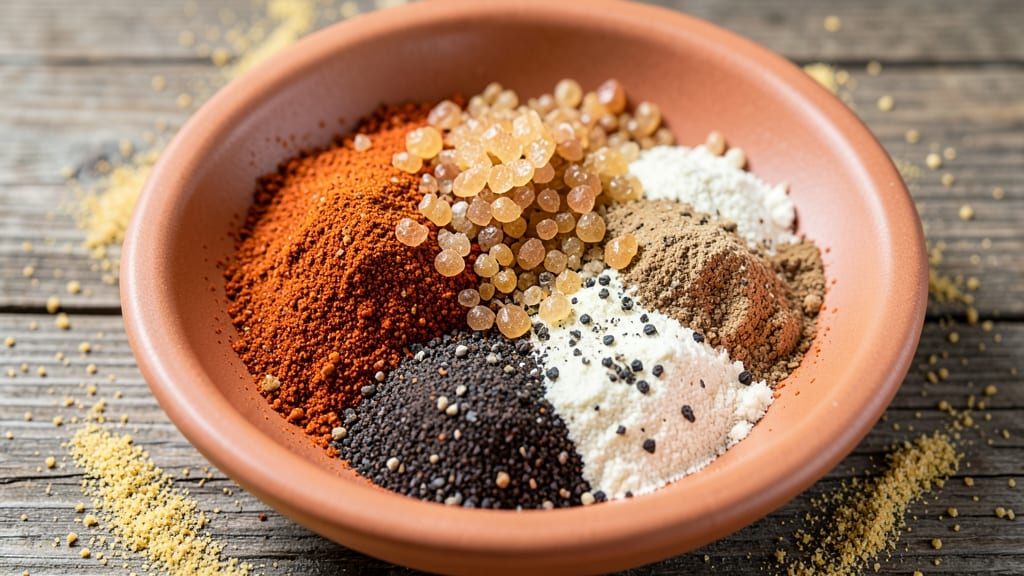
This dry rub for chicken thighs recipe turns simple thighs into smoky, flavor-packed masterpieces that stay juicy through every bite. Growing up in small-town Georgia, I learned how a well-crafted spice blend could elevate simple ingredients into something extraordinary—this recipe does just that.
The key lies in balancing sweet, smoky, and savory notes to create a crust that locks in moisture while delivering bold flavor.
This professional-grade seasoning mix uses just seven ingredients, each playing a crucial role in developing deep, complex flavors. Paprika and smoked paprika provide the signature smokiness, while brown sugar caramelizes beautifully during cooking.
Garlic powder and onion powder add aromatic depth, and a touch of cayenne brings just enough heat to keep things interesting. The blend is designed to be versatile—perfect for grilling, roasting, or even baking.
What makes this rub truly special is how it works: the spices adhere to the chicken's skin, forming a flavorful crust that seals in juices as it cooks. The result is tender, succulent meat with a perfectly balanced crust—smoky on the outside, juicy on the inside.
This blend stays fresh for up to three months in an airtight container, making it a pantry staple for anyone who loves restaurant-quality flavor at home.
Whether you're grilling for a summer barbecue or roasting for a weeknight dinner, this dry rub delivers restaurant-quality results with minimal effort. The secret is in the precise measurements and the balance of spices—no guesswork, just foolproof flavor. Let's get started on creating your own batch!
Ingredients for dry rub for chicken thighs
Seven essential spices crafting a smoky-sweet crust that transforms ordinary chicken thighs into restaurant-worthy masterpieces.
| Ingredient | Amount | Notes |
|---|---|---|
| Sweet Paprika 🌶️ | 2 tbsp | High-quality, vibrant color |
| Smoked Paprika 🌶️ | 1 tbsp | For authentic smoky depth |
| Light Brown Sugar 🍚 | 1 tbsp | Packed, not aerated |
| Garlic Powder 🧄 | 1 ½ tsp | Freshly ground preferred |
| Onion Powder 🧅 | 1 ½ tsp | No added salt |
| Ground Black Pepper 🌶️ | 1 tsp | Freshly cracked preferred |
| Cayenne Pepper 🔥 | ½ tsp | Adjust for heat preference |
The paprikas form the rub's signature foundation—sweet paprika for vibrant color and smoked paprika for that authentic barbecue depth. Penzeys Spices or McCormick offer reliable quality, but check expiration dates: spices older than six months lose potency. Brown sugar isn't just sweetness; it caramelizes beautifully during cooking, creating that coveted crust. For optimal results, use freshly ground powders—pre-ground spices from bulk bins at Whole Foods or Trader Joe's provide superior flavor compared to pre-packaged mixes. The cayenne is where you can customize: reduce to ¼ tsp for mild heat or increase to 1 tsp for fiery results.
No smoked paprika? Liquid smoke at half the amount mimics the flavor profile, though with less texture. Substitute brown sugar with turbinado sugar for a slightly coarser texture that clings better to the chicken. Running short on garlic powder? Fresh garlic minced and dried thoroughly works at double the quantity—just ensure all moisture evaporates before mixing. For a salt-free version, omit the onion powder's trace amounts of sodium and use Diamond Crystal kosher salt at ½ tsp instead. The blend's versatility extends beyond chicken: it elevates pork chops, roasted vegetables, or even baked potatoes with equal success.
Store this dry rub in an airtight glass jar away from direct sunlight to preserve its aromatic compounds. When properly sealed, it maintains peak freshness for up to three months—longer if refrigerated. For extended storage, freeze portions in small containers for up to six months. The rub's stability makes it ideal for meal prep: pre-mix a large batch and keep it ready for spontaneous grilling sessions. A generous application of 1-2 tablespoons per pound of chicken ensures maximum flavor penetration while creating that coveted crust that locks in juices during cooking.
Why You'll Love This Recipe
- Five-Minute Mix: Honestly, this rub comes together faster than you can say "weeknight dinner." Just toss those five spices—sweet and smoked paprika, brown sugar, garlic powder, onion powder—in a bowl and call it done. No measuring cups, no mess, no stress.
- Smoky-Sweet Magic: That combo of smoked paprika and brown sugar? It’s what turns ordinary chicken into something irresistible. The outside gets this perfect caramelized crust, while the inside stays juicy—like a hug from your grandma’s kitchen.
- Meal Prep Hero: Between us, this is my go-to for busy days. Rub a batch on Monday, bake them Wednesday, and reheat for Thursday lunch. The flavors only get better as they sit, and it’s way cheaper than takeout.
- Budget-Friendly Feast: A handful of spices stretches to feed four for under $10. I’ll be real: my grocery budget thanks me every time I pull this out. Plus, leftovers? They disappear faster than I can say "more?"
Step-by-step instructions for smoky-spiced chicken thigh rub
This blend delivers a deeply aromatic crust that seals in moisture while building complex flavor layers.
Combine the Paprika Bases
In a medium bowl, measure out the 2 tablespoons sweet paprika and 1 tablespoon smoked paprika. These two ingredients form the rub's foundational flavor profile—the sweet paprika provides vibrant color and subtle sweetness, while the smoked paprika contributes that essential wood-fired depth that makes this rub so distinctive. Use a whisk to break up any clumps in the sweet paprika, ensuring an even distribution before mixing.
Here's the thing—quality matters with paprika. The sweet variety should have a rich, vibrant color, not dull or faded. The smoked paprika should have a noticeable aroma when you open the jar. If either lacks intensity, your finished rub will be flat. Once combined, set this mixture aside temporarily—it needs to be incorporated with the remaining ingredients in the proper sequence.
Incorporate the Sugar and Dry Seasonings
To the paprika mixture, add the 1 tablespoon packed light brown sugar, 1.5 teaspoons garlic powder, 1.5 teaspoons onion powder, and 1 teaspoon ground black pepper. The brown sugar serves a dual purpose: it caramelizes during cooking to create a glossy crust, and it helps balance the heat from the cayenne later. The garlic and onion powders provide aromatic depth without requiring fresh ingredients, while the black pepper adds a sharp, piquant finish.
Use a silicone spatula to fold these ingredients together thoroughly. You're looking for a uniform color throughout—no visible streaks of brown sugar or distinct piles of seasoning. This is where precision matters: measure the garlic and onion powders carefully. Too much will make the rub overpowering; too little will leave your chicken tasting bland. The mixture should now have a cohesive, sand-like texture that will adhere beautifully to the chicken's surface.
Add the Cayenne and Final Adjustments
Gently fold in the 0.5 teaspoon cayenne pepper using the same silicone spatula. This is the heat component that transforms this rub from merely flavorful to genuinely exciting. The cayenne should be distributed evenly—no concentrated hot spots. If you're sensitive to heat, you can reduce this to 0.25 teaspoon, but the full amount delivers that satisfying kick that makes this rub worth making from scratch rather than using store-bought blends.
Give the mixture one final taste test. The flavor should be complex—smoky, slightly sweet, with underlying heat and aromatic depth. If it tastes flat, you may need to adjust individual components (more smoked paprika for depth, more sugar for sweetness). Once satisfied, transfer the rub to an airtight container. This blend will keep for up to 3 months in a cool, dark place, making it perfect for batch preparation.
Pro Tips For Making Dry Rub For Chicken Thighs
- Grind Your Own Sugar: Light brown sugar clumps like a stubborn guest at a dinner party. Pulse it in a food processor for 10 seconds before mixing—it’ll dissolve evenly into the paprika and stick to the chicken like it’s supposed to. (I used to just shake the bag, and half the rub ended up in the trash.)
- Pat the Chicken Dry: Skip this, and your rub won’t cling. Use paper towels—no half-measures—and press hard on the skin to evaporate moisture. Wet skin = rub sliding off like a bad joke. (Yes, even if you’re impatient like me.)
- Toast the Rub First: Heat a dry skillet over medium for 30 seconds, then add the paprika mix and stir for 2 minutes. The sugar caramelizes slightly, deepening the flavor and making the rub clump less when you apply it. (Sounds weird, but it works—trust the smoke smell.)
- Don’t Overcrowd the Pan: If you’re searing, cook thighs in a single layer with space between them. Overcrowding steams the meat instead of browning it, and the rub turns to mush. (I learned this the hard way—now I use two pans if needed.)
Common mistakes when making this recipe
Uneven Application
One of the biggest mistakes I see is applying the rub too lightly or inconsistently. Chicken thighs have a thick, uneven surface, so you need to press the rub firmly into every nook—especially around the edges and bone.
Use your fingers or a silicone brush to work the spices into the skin, creating that flavorful crust that locks in juices. I recommend using about 1-2 tablespoons per pound of chicken, but don't be shy about pressing it in. A light dusting won't give you that restaurant-quality depth. 🌶️
Skipping the Rest
After applying the rub, many people rush straight to cooking. Big mistake! Let the chicken thighs rest for at least 30 minutes (or up to 2 hours in the fridge) before cooking. This allows the spices to penetrate the meat and develop flavor.
I learned this lesson the hard way during my first BBQ competition—skipping the rest time left my chicken tasting flat and one-dimensional. Trust me, patience pays off with juicier, more flavorful results.
Overcrowding the Pan
When cooking rubbed chicken thighs, resist the urge to pile them all in one pan or on a crowded grill. Overcrowding causes steam buildup, which prevents the rub from forming that beautiful crust and can make the meat steam instead of sear.
Cook in batches if needed, giving each piece space to develop that perfect crust. I use a Lodge cast iron skillet for stovetop cooking and always leave at least 1 inch of space between thighs. This ensures even browning and maximum flavor development.
Using Old Spices
Nothing ruins a good rub like stale spices. Paprika, garlic powder, and onion powder lose their potency after about 6 months, while cayenne can degrade even faster.
I keep a small jar of this rub in my pantry, but I always check the expiration dates on my spices before making fresh batches. If your spices smell dull or lack aroma, your chicken will taste flat.
Invest in quality spices from brands like Penzeys or McCormick, and store them in airtight containers away from light and heat. Fresh spices make all the difference!
Ignoring the Sugar
The brown sugar in this rub isn't just for sweetness—it's essential for creating that caramelized crust. Some cooks worry about sugar burning, but with proper heat control, it actually enhances the flavor. If you're concerned, reduce the sugar slightly or use turbinado sugar, which has a lower moisture content.
The key is to cook the chicken over medium-high heat and watch it closely. I've found that a 10-minute sear on each side gives the sugar just enough time to caramelize without burning.
Not Adjusting for Heat
The cayenne in this rub is where you can customize the heat level, but many people either overdo it or skip it entirely. If you're sensitive to spice, start with ¼ teaspoon and work your way up. Conversely, if you love heat, you can double it to 1 teaspoon.
The cayenne should complement the other flavors, not overpower them. I always taste the rub before applying it to the chicken—this helps me gauge the heat level and make adjustments if needed. Remember, you can always add more, but you can't take it out once it's on the chicken! 🔥
Nutrition facts
Frequently asked questions
Can I use this dry rub on other meats besides chicken thighs?
This versatile blend works beautifully on pork chops, roasted vegetables, and even baked potatoes. The smoky-sweet profile elevates any protein, though chicken thighs are where it truly shines due to their rich texture. For pork, reduce the cayenne to ¼ teaspoon to avoid overpowering the meat.
How do I store leftover dry rub?
Transfer any unused rub to an airtight glass jar in a cool, dark pantry. It'll stay fresh for up to 3 months. For longer storage, freeze portions in small containers for 6 months. The key is keeping it away from moisture and light to preserve those aromatic compounds.
What's the best way to apply the rub to chicken?
Pat the thighs dry first, then use 1-2 tablespoons per pound of chicken. Press the rub firmly into the skin—don't just sprinkle! Use your fingers or a silicone brush to work it into crevices. Let it rest for 30 minutes to 2 hours before cooking to maximize flavor penetration.
Can I make this rub less spicy?
Yes! Simply reduce the cayenne to ¼ teaspoon or omit it entirely. For mild heat, you can also replace it with ½ teaspoon extra smoked paprika instead. The other spices will still deliver that delicious smoky-sweet profile without the kick. Always taste the rub before applying to adjust to your preference.
Why does my dry rub look clumpy?
Clumps usually mean moisture got into your spices. Store all ingredients in airtight containers and use a fine-mesh sieve to break up any lumps before mixing. For the brown sugar, pack it firmly into your measuring spoon to avoid air pockets. If clumps persist, grind the mixture briefly in a spice grinder or mortar and pestle.