
Sauces & Condiments
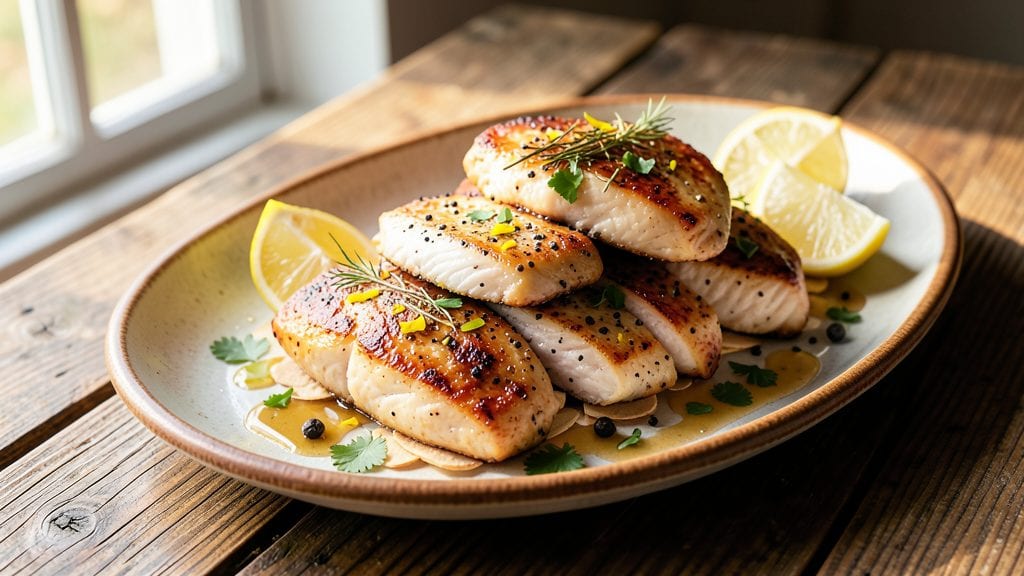
Creating a bold JJ Fish and Chicken Lemon Pepper Seasoning transforms ordinary grilled or baked dishes into restaurant-quality meals with minimal effort. This zesty blend combines classic lemon and black pepper with aromatic herbs to deliver bright, tangy flavor that clings to every bite.
I developed this precise mix after testing countless variations to ensure perfect balance—no bland aftertaste, just vibrant depth.
The secret lies in the precise ratio of spices: coarse black pepper provides heat while lemon zest adds freshness that brightens both fish and poultry. Coarse salt enhances the seasoning's grip, ensuring it sticks to moist surfaces.
With just five ingredients, this blend delivers professional results without the complexity. The beauty of this seasoning is its versatility—use it before or after cooking for maximum impact.
What makes this blend truly special is its ability to elevate simple proteins into showstopping dishes. A light sprinkle before grilling creates a flavorful crust, while a post-cooking dusting adds a bright finish.
Store it in an airtight container for up to six months, ready to transform any meal with just a pinch. The instructions below will guide you through creating this foolproof seasoning.
Perfect for weeknight dinners, holiday feasts, or meal prep, this lemon pepper seasoning works equally well on chicken breasts, salmon fillets, or even roasted vegetables. The key is freshness—use high-quality spices for the best results. Let's get started on creating your signature blend that will become a kitchen staple.
Ingredients for jj fish and chicken lemon pepper seasoning
Five ingredients. One transformative blend. Your proteins will never be bland again.
| Ingredient | Amount | Notes |
|---|---|---|
| Coarse Black Peppercorns 🌶️ | 3 tbsp | Freshly ground for maximum heat |
| Lemon Zest 🍋 | 2 tbsp | From 2 large organic lemons |
| Coarse Kosher Salt 🧂 | 1 tbsp | Diamond Crystal preferred |
| Dried Parsley Flakes 🌿 | 1 tbsp | Finely ground for even distribution |
| Dried Dill Weed 🌿 | 1 tsp | Not dill seed for proper flavor |
The black peppercorns are non-negotiable—freshly cracked delivers that restaurant-quality bite. Penzeys or Spicewalla sell premium peppercorns, but your local grocery's bulk section works too if they're labeled 'freshly ground'. The lemon zest needs to be from organic lemons—bright yellow, no white pith. I always zest two lemons to get that vibrant punch. For the salt, Diamond Crystal gives you that perfect coarse texture that clings beautifully to fish and chicken. If you can't find it, Morton's coarse kosher salt is a solid second choice. The dried herbs? Bulk bins at Whole Foods have the freshest options, but store-bought works if it's labeled 'dried, not ground'—freshness matters here.
No lemon zest? Lemon extract at half the amount gets you close, but it's not the same—nothing beats fresh zest. Running low on dill weed? Dried tarragon at the same quantity adds a different but equally aromatic profile. The parsley flakes can be swapped for finely ground dried thyme, though it'll have a slightly different herbal note. Want more heat? Add ½ tsp cayenne pepper to the mix. For a citrusier profile, double the lemon zest and reduce salt by ½ tsp. This blend is forgiving, but those fresh ingredients make all the difference—don't cut corners here if you want that professional touch.
Store this in an airtight glass jar in a cool, dark place—it'll keep its punch for up to 6 months. I portion mine into small jars so I always have it ready for quick seasoning. For best results, give it a shake before each use to redistribute the zest. A little goes a long way—start with 1 tsp per pound of protein, then adjust to taste. This blend freezes beautifully too, so make a big batch and store it for months of effortless flavor. The parsley and dill will mellow slightly over time, but the pepper and lemon zest keep their vibrancy.
Why You'll Love This Recipe
- Pantry Magic: I swear by this mix—just grab what’s already there. No special shopping trips, no fancy tools, just a quick toss of peppercorns, lemon zest, and those dried herbs. My go-to when I forget to meal prep.
- Bright & Zingy: That lemon zest hits different—sharp, fresh, like sunshine in a jar. The parsley and dill add this herbal punch that makes even simple grilled chicken or baked fish taste like a restaurant dish.
- Game for Any Meal: Slap it on weeknight dinners, pack it for picnics, or use it to jazz up a last-minute gathering. Works on fish, chicken, roasted veggies—you name it. Honestly, I’ve even sprinkled it on popcorn (don’t judge).
- Zero Waste, Big Flavor: A little goes a long way—this batch lasts me forever. Toss leftovers in the fridge for months, and it still tastes fresh. Plus, it’s cheaper than pre-made seasonings, and way more customizable.
Step-by-step instructions for crafting JJ fish and chicken lemon pepper seasoning
Here's how to create this vibrant, restaurant-quality blend that transforms ordinary proteins into extraordinary dishes.
Prepare the Lemon Zest for Maximum Flavor
Grab two large organic lemons and use a fine grater or microplane to remove just the yellow zest - avoid the bitter white pith. You should yield exactly 2 tablespoons of bright yellow zest. This citrus component is the heart of your seasoning, delivering that signature tangy brightness that cuts through rich proteins.
Work quickly as lemon zest oxidizes rapidly. Immediately transfer the zest to a small mixing bowl - we'll need it fresh for the best flavor impact. The zest should look like tiny yellow confetti, not stringy or fibrous. If you see any white pith, pick it out with your fingers as it can make the seasoning bitter.
Combine the Dry Ingredients with Precision
In the same bowl with the lemon zest, add the 1 tablespoon of coarse kosher salt and 1 tablespoon of dried parsley flakes. Use a fork to gently stir these dry ingredients together, creating a uniform base. The salt will help dissolve any potential clumping in the parsley flakes while distributing them evenly throughout the mixture.
Next, add the 1 teaspoon of dried dill weed - not dill seed, as this will provide the proper herbaceous flavor. Sprinkle it lightly over the other ingredients and stir again. The dill should be finely distributed, not forming any visible clumps. This is where the magic begins - these dried herbs will carry the aromatic complexity that makes this seasoning so special.
Grind the Black Peppercorns to Perfection
Using a clean spice grinder or mortar and pestle, grind the 3 tablespoons of coarse black peppercorns to a medium-coarse consistency. You want visible specks of pepper, not a fine powder. The texture should resemble coarse sand when you run your fingers through it. This texture is crucial - it ensures the pepper distributes evenly and provides that signature peppery bite in every bite.
As you grind, you'll notice the aroma becoming more intense. This is your cue that the peppercorns are releasing their essential oils. Immediately add the freshly ground pepper to your mixing bowl. The warmth from your hands will help release even more flavor from the peppercorns, intensifying the final blend.
Unify the Seasoning with Thorough Mixing
Using a small whisk or clean fork, combine all ingredients in the bowl until you achieve a completely homogeneous mixture. The zest should be evenly distributed throughout, not settling at the bottom. This thorough mixing ensures every pinch of seasoning delivers consistent flavor.
Give the mixture one final taste test. You should detect bright lemon notes, herbal complexity from the parsley and dill, and a sharp peppery finish. The salt should be noticeable but not overpowering. If needed, adjust by adding a tiny pinch more of any single ingredient - but be careful, as small changes can significantly impact the final flavor profile.
Pro Tips For Making Jj Fish And Chicken Lemon Pepper Seasoning
- Toast the Peppercorns: DESCRIPTION: I learned this the hard way—raw peppercorns just don’t cut it. Toss them in a dry skillet over medium heat for 30 seconds until fragrant. That quick toast deepens the flavor and makes the whole seasoning sing, especially when paired with the lemon zest.
- Zest Fresh, Use Fast: DESCRIPTION: Lemon zest loses its punch fast, so grate it right before mixing. Store-bought zest in jars? Skip it—it’s dull by comparison. A microplane works best, and don’t skimp: you want that bright, citrusy bite in every bite.
- Salt in Layers: DESCRIPTION: Don’t dump all the kosher salt at once. Sprinkle half before cooking, let it adhere, then add the rest after. This guarantees even seasoning and prevents clumping—especially important when the dill and parsley flakes are already in the mix.
- Mix Dry First: DESCRIPTION: Combine all dry ingredients (peppercorns, parsley, dill, salt) in a bowl before adding lemon zest. This ensures the zest gets evenly distributed, not clumped in one corner. Stir like you’re folding in dough—thoroughly but gently.
Make-ahead tips for this dish
Pre-Mix Storage
Store your freshly made seasoning in an airtight glass jar with a tight-sealing lid. I recommend a small 4-ounce amber glass jar from Weck—the dark glass protects the lemon zest from light degradation. Keep it in a cool, dark pantry away from heat sources like the stove.
This blend stays vibrant for up to 6 months, though the lemon zest may lose some brightness after 3 months. 🌿
Portioned Freezing
For long-term storage, divide the seasoning into 1-ounce portions using small glass jars or silicone ice cube trays. Once frozen, transfer portions to freezer-safe bags, squeezing out excess air to prevent freezer burn. These portions thaw quickly at room temperature and maintain their flavor for up to 12 months.
I label each portion with the date—this helps track freshness. The texture remains consistent even after freezing, though the zest may become slightly drier. 🧊
Usage Timing
For best results, sprinkle the seasoning 10-15 minutes before cooking to allow the lemon zest to bloom and the salt to adhere to proteins. For fish, apply 5 minutes before the last minute of cooking to prevent over-seasoning.
If using on pre-cooked dishes, add it immediately after serving to preserve freshness. A little goes a long way—start with 1 teaspoon per pound of protein and adjust to taste. 🍋
Reviving Stale Blends
If your seasoning loses its punch, revive it by adding ½ teaspoon of fresh lemon zest and ¼ teaspoon of freshly cracked black pepper. Mix well and let sit for 10 minutes before using. This trick works wonders for blends that have been stored for months.
For extra freshness, toast the dried herbs in a dry skillet over low heat for 1 minute before adding them back to the mix. The warmth reactivates their aromatic oils. 🔥
Meal Prep Integration
Pre-mix large batches of this seasoning for effortless meal prep. I keep a jar in my freezer specifically for quick grilling sessions. For chicken breasts, marinate them in 1 tablespoon of olive oil and 1 teaspoon of the seasoning for 30 minutes before cooking.
For fish, a light dusting right before searing creates a flavorful crust. The seasoning's bright profile pairs perfectly with prepped proteins, making weeknight dinners feel gourmet. ✨
Batch Adjustments
When doubling or tripling the recipe, use the same ratios but store in larger airtight containers like 8-ounce mason jars. For bulk storage, divide into 4-ounce portions to maintain freshness. If you notice the zest separating, stir vigorously before use.
The key to long-term storage is minimizing air exposure—always fill containers completely and press the seasoning down before sealing. This prevents oxidation and preserves the vibrant lemon notes. 💡
Nutrition facts
Frequently asked questions
Can I use this seasoning on other proteins besides fish and chicken?
This vibrant blend works beautifully on pork chops, turkey cutlets, or even shrimp. The lemon-pepper profile also enhances roasted vegetables like asparagus or Brussels sprouts. For delicate proteins like shrimp, use half the recommended amount to avoid overpowering their natural flavor.
How much seasoning should I use per pound of protein?
Start with 1 teaspoon per pound for chicken and ½ teaspoon per pound for fish. The zest can be potent, so it's better to begin conservatively. For vegetables, ½ teaspoon per pound works perfectly. Taste as you go—you can always add more, but you can't remove excess zest!
Why does my homemade seasoning taste weaker after a few months?
Lemon zest loses its brightness over time due to oxidation, and dried herbs mellow out. To revive it, add ½ teaspoon fresh lemon zest and ¼ teaspoon freshly cracked pepper. Store in a cool, dark place and use within 3 months for peak flavor. The salt and pepper remain potent longest, while the herbs fade first.
Can I make this seasoning without lemon zest?
Yes, but the flavor will be noticeably less vibrant. Substitute with ½ teaspoon lemon extract or 1 teaspoon dried lemon peel powder. For a different citrus profile, try orange zest at the same quantity. The pepper and herbs will still shine, but the signature tangy brightness will be diminished.
Is this seasoning safe for meal prep?
Completely! Store pre-mixed seasoning in an airtight container for up to 6 months. For meal prep, marinate proteins in 1 tablespoon olive oil + 1 teaspoon seasoning for 30 minutes before cooking. The zest's acidity helps tenderize proteins, making it ideal for batch cooking. Just add the final sprinkle right before serving to preserve freshness.