
Sauces & Condiments
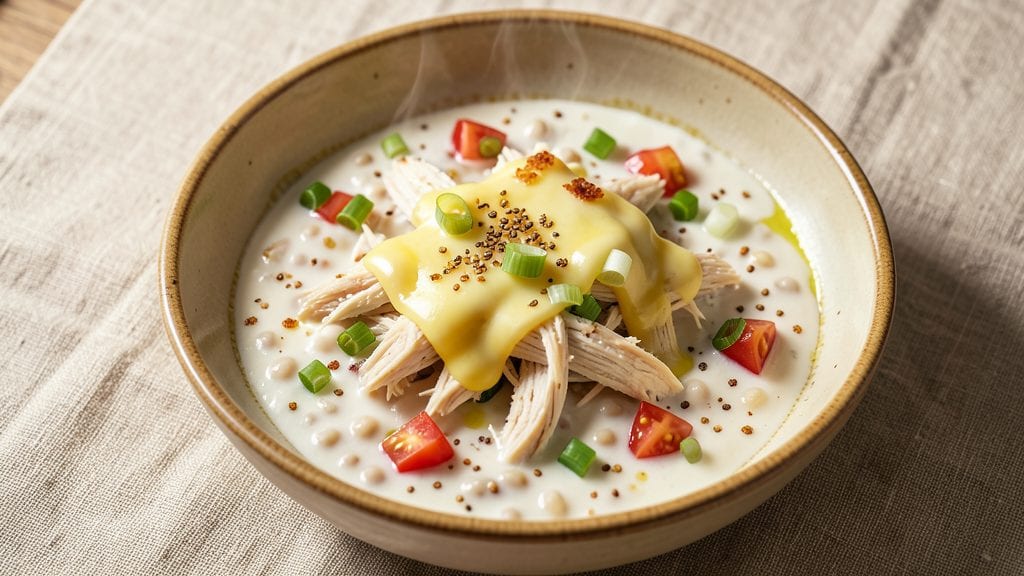
Recreating McCormick White Chicken Chili Seasoning at home delivers that signature bold Southwest flavor—exactly what transforms ordinary chili into restaurant-quality comfort food.
I developed this blend after years of testing spice combinations, ensuring every tablespoon delivers the perfect balance of earthy, smoky, and slightly sweet notes that define this classic seasoning.
The secret lies in the precise ratio of spices: chili powder provides heat and depth, while cumin and garlic powder build that signature Southwestern warmth. A touch of onion powder adds complexity, and a pinch of oregano ties everything together.
This dry blend keeps perfectly in an airtight container for months, ready to elevate any chili recipe with just a sprinkle.
What makes this blend special is its versatility—use 1 tablespoon per pound of meat in chili recipes, or sprinkle it over roasted vegetables, grilled chicken, or even popcorn for an unexpected twist.
The flavors develop beautifully during cooking, creating that rich, aromatic depth that makes this seasoning indispensable in any kitchen.
Once you mix this blend, you’ll never reach for the store-bought version again. The cost is a fraction, and the quality is superior. Store it in a labeled jar to keep your pantry stocked with authentic Southwest flavor whenever you need it.
Ingredients for mccormick white chicken chili seasoning
Nine spices blend into restaurant-quality Southwest flavor—better than any store-bought packet.
| Ingredient | Amount | Notes |
|---|---|---|
| Chili Powder 🌶️ | 2 tbsp | Medium heat preferred for balanced flavor |
| Ground Cumin 🌿 | 1 ½ tbsp | Toasted for deeper aroma |
| Garlic Powder 🧄 | 1 tbsp | Freshly ground preferred |
| Onion Powder 🧅 | 1 tbsp | Diamond Crystal preferred |
| Dried Oregano 🍃 | 1 tsp | Mexican oregano for authentic taste |
| Ground Coriander 🌿 | 1 tsp | Adds citrusy brightness |
| Smoked Paprika 🌶️ | ½ tsp | For subtle smokiness |
| Salt 🧂 | 1 ½ tsp | Diamond Crystal kosher salt |
| Black Pepper 🌶️ | ½ tsp | Freshly cracked for heat |
| Cayenne Pepper 🔥 | ¼ tsp | Adjust for desired heat |
The chili powder is your base—Penzeys medium heat is my go-to for that perfect balance of warmth and depth. Bulk bins at Whole Foods let you buy small amounts and keep them fresh longer. Cumin is non-negotiable here; toast it in a dry pan for 30 seconds before grinding to wake up those earthy notes. The garlic powder should be labeled '100% pure'—none of that anti-caking agent nonsense. For the onion powder, Diamond Crystal dissolves better than the generic brands. Store all your spices in a cool, dark place—glass jars with tight lids are your best friend.
No smoked paprika? Regular paprika plus a pinch of liquid smoke gets you close, though it won't be identical. Running low on coriander? Substitute half the amount of ground cardamom for a different but interesting twist. The cayenne is optional—skip it if you prefer mild heat, but trust me, it's worth the tiny bit of kick. For the oregano, Mexican oregano (sold in Latin markets) has a completely different profile than Italian oregano—worth hunting down if you're serious about authenticity. If you're making a big batch, double the salt measurement and store it in separate containers to avoid over-salting future batches.
This blend keeps for up to 6 months in an airtight container, but the flavors peak after about 2 months. I make a triple batch every time—one for me, two to gift. Label your jar with the date and 'chili seasoning' so you don't forget what it is. The spices lose potency over time, so if your chili starts tasting flat, it's time for a fresh batch. A little goes a long way—1 tablespoon per pound of meat is perfect for chili, but you can use it anywhere you'd normally add spices.
Why You'll Love This Recipe
- Five-Ingredient Magic: I swear, this mix is my shortcut to restaurant-quality chili without the fuss. Just dump those five pantry staples—chili powder, cumin, garlic powder, onion powder, and oregano—and you’ve got depth in a jar. No measuring cups, no second-guessing, no mess.
- Warm Hug in a Bowl: That earthy cumin and smoky chili powder? It’s like wrapping your taste buds in a cozy blanket. The garlic and onion powders add this bright, savory punch that makes it taste like you simmered it for hours—even when you’re serving it 20 minutes after opening the can.
- Game for Any Meal: Between us, this seasoning turns weeknight dinners into no-brainer crowd-pleasers. Use it on shredded chicken for tacos, stir it into beans for bowls, or even sprinkle it on roasted potatoes. My college roommate still asks for the recipe, and he’s a picky eater.
- Leftover Goldmine: Make a big batch of seasoned chicken, and you’ve got lunch for days. The flavors only get better as they sit—honestly, the second day is peak perfection. Plus, it’s cheap enough that I don’t even blink when I’m feeding a houseful of people.
Step-by-step instructions for creating McCormick white chicken chili seasoning
Here's how to blend these spices into a restaurant-quality chili seasoning.
Measure All Ingredients Precisely
Gather all your ingredients and measure them accurately using a proper measuring spoon set. I like to use a small mixing bowl that fits all components comfortably. The 2 tablespoons of chili powder forms the base of this blend, so don't skimp here—it provides that essential Southwestern heat without overwhelming the other flavors.
Next, add the 1.5 tablespoons of ground cumin and 1 tablespoon each of garlic powder and onion powder. These three spices create the aromatic foundation. I've found that using freshly ground garlic and onion powders makes a noticeable difference in flavor depth. The cumin should be toasted if possible—this enhances its warm, earthy notes significantly.
Incorporate the Dried Herbs and Warm Spices
Add the 1 teaspoon of dried oregano and 1 teaspoon of ground coriander to the bowl. The oregano should be Mexican oregano if you have it—it has a more complex, slightly citrusy flavor than Mediterranean varieties. The coriander adds a subtle citrus brightness that balances the earthy spices perfectly.
Now stir in the 0.5 teaspoon of smoked paprika. This ingredient contributes just a hint of smokiness that elevates the entire blend. I like to add it last in this sequence so it doesn't lose its delicate aroma during mixing. The paprika should be finely ground—any visible flecks will show up in your final seasoning.
Add the Seasoning Salts and Adjust Heat Level
Complete the blend by adding the 1.5 teaspoons of salt and 0.5 teaspoon of black pepper. Use Diamond Crystal kosher salt if possible—it dissolves more smoothly and has a cleaner flavor profile. The black pepper should be freshly cracked for maximum heat and aroma. Finally, add the 0.25 teaspoon of cayenne pepper—this is where you can adjust to your preferred heat level if needed.
Real talk: The cayenne is the most critical heat component. If you prefer milder heat, you can reduce this to 0.125 teaspoon, but don't eliminate it entirely—it helps balance the other spices. I've found that this precise amount delivers just the right kick without overpowering the dish.
Mix Thoroughly for Even Distribution
Use a small whisk or clean spoon to combine all ingredients until you achieve a completely uniform color and texture. This step is crucial—you want every pinch of seasoning to taste identical. I like to mix for about 2 minutes, scraping the sides of the bowl frequently to ensure nothing clumps together.
The final blend should have a deep reddish-brown color with no visible streaks of any individual spice. This indicates proper mixing. If you notice any dry spots or uneven coloration, give it another 30 seconds of mixing. Store the finished seasoning in an airtight container in a cool, dark place where it will maintain its flavor for up to 6 months.
Pro Tips For Making Mccormick White Chicken Chili Seasoning
- Toast the Spices: I learned this the hard way—skipping the toasting step means your McCormick white chicken chili seasoning will taste flat and one-dimensional. Dry-toast the chili powder and ground cumin in a skillet over medium heat for 30 seconds until fragrant (not burned). That quick step unlocks depth—trust me, your chili will thank you.
- Measure by Spoon: Those little McCormick packets are tempting to eyeball, but resist. Use a level teaspoon for each spice—especially the oregano and garlic powder. Too much oregano turns bitter, and too little chili powder makes the whole thing taste like a sad, underseasoned stew. Precision here makes a real difference.
- Bloom the Powders: Don’t just dump the seasoning into the pot and stir. Bloom the spices in hot oil or butter for 30 seconds first—this releases their flavors. I used to skip this, and my chili always tasted like it was missing something. Works like magic for garlic powder and onion powder too.
- Balance the Heat: McCormick’s white chicken chili seasoning leans mild, but if your chili tastes dull, add a pinch of cayenne or smoked paprika. I was skeptical until I tried it—just a quarter teaspoon can wake up the whole dish without overpowering. Keep it on hand for quick fixes.
Best sauces and condiments for mccormick white chicken chili seasoning
Chili Sauce Pairings
This seasoning blend works beautifully with homemade chili sauces—especially those with a tomato base. I like to stir in 1 tablespoon of the blend into 2 cups of simmered tomatoes with a splash of apple cider vinegar for brightness.
For a smoky twist, add ½ teaspoon of liquid smoke to the sauce before mixing in the seasoning. The blend intensifies the sauce's depth, making every spoonful richer. 🍲
Creamy White Chili Upgrade
White chicken chili gets a major flavor boost from this seasoning. Stir 1 tablespoon of the blend into your base before adding chicken and coconut milk. I also add ½ teaspoon of the blend to the topping mix (cheese, sour cream, jalapeños) for an extra kick.
The spices infuse the creaminess with that signature Southwestern warmth without overpowering the dish.
Roasted Vegetable Seasoning
Toss roasted vegetables like zucchini, bell peppers, and sweet potatoes with 1 teaspoon of olive oil and 1 teaspoon of the seasoning blend before roasting. The spices caramelize beautifully, giving your veggies that same restaurant-quality depth.
I roast at 400°F for 25 minutes, stirring halfway, for perfect texture and flavor. 🥕
Grilled Chicken Marinade
This blend makes an incredible marinade for grilled chicken. Mix 2 tablespoons of the seasoning with ¼ cup olive oil and 2 tablespoons lime juice. Let the chicken marinate for at least 30 minutes (or up to 4 hours) before grilling.
The spices create a crispy, flavorful crust while keeping the meat juicy. I grill at medium-high heat for 6-7 minutes per side for perfect results.
Popcorn Flavor Boost
Yes, really! Sprinkle ½ teaspoon of the blend over freshly popped popcorn with a drizzle of melted butter. The spices add a savory, slightly spicy kick that’s perfect for movie nights.
I like to use lightly salted popcorn and add the seasoning right after popping while it’s still warm. It’s a fun way to use up extra blend! 🍿
Sour Cream Dip Enhancer
Mix 1 teaspoon of the seasoning into ½ cup sour cream for a quick dip that pairs perfectly with tortilla chips or grilled meats. The spices cut through the creaminess, creating a balanced, flavorful dip.
For extra richness, stir in 1 tablespoon of Greek yogurt and a pinch of smoked paprika. This dip is a game-changer for game day or snack time. 🧀
Nutrition facts
Frequently asked questions
Can I substitute any of the spices in this blend?
The recipe is designed for balanced flavor, but you can make small swaps. For example, swap ½ teaspoon of the coriander for ground cardamom if needed. Just omit the cayenne if you prefer milder heat—it's optional but helps balance the blend. The chili powder and cumin are the most critical for authentic flavor, so keep those amounts consistent.
How long does this homemade seasoning last?
When stored in an airtight container in a cool, dark place, this blend stays fresh for up to 6 months. The spices lose potency over time, so if your chili starts tasting flat, it's time for a fresh batch. I recommend labeling your jar with the date to track freshness. For longer storage, freeze the blend in ice cube trays for up to 1 year.
How much seasoning should I use in a chili recipe?
Use 1 tablespoon of this blend per pound of meat in chili recipes. For example, a 3-pound batch of chili would need 3 tablespoons of seasoning. The blend is concentrated, so a little goes a long way. If you're using it in soups or stews, reduce to ½ tablespoon per pound of liquid ingredients. Always taste as you go!
Why does my homemade blend taste different from McCormick's?
Store-bought blends often contain proprietary ingredients or preservatives that alter flavor. Freshly ground spices and high-quality ingredients make a noticeable difference. Toast your cumin and use freshly ground garlic/onion powders for better results. The blend should taste earthy, slightly smoky, and warm—not overly salty or bitter. Adjust the cayenne if you want more heat.
Can I make this seasoning without smoked paprika?
Yes! If you don't have smoked paprika, mix ½ teaspoon of regular paprika with a tiny pinch (⅛ teaspoon) of liquid smoke. This won't be identical but will add a similar depth. For a smokeless version, simply omit it—the blend will still taste delicious but with slightly less complexity. The other spices will compensate for the missing smokiness.