
Main Courses
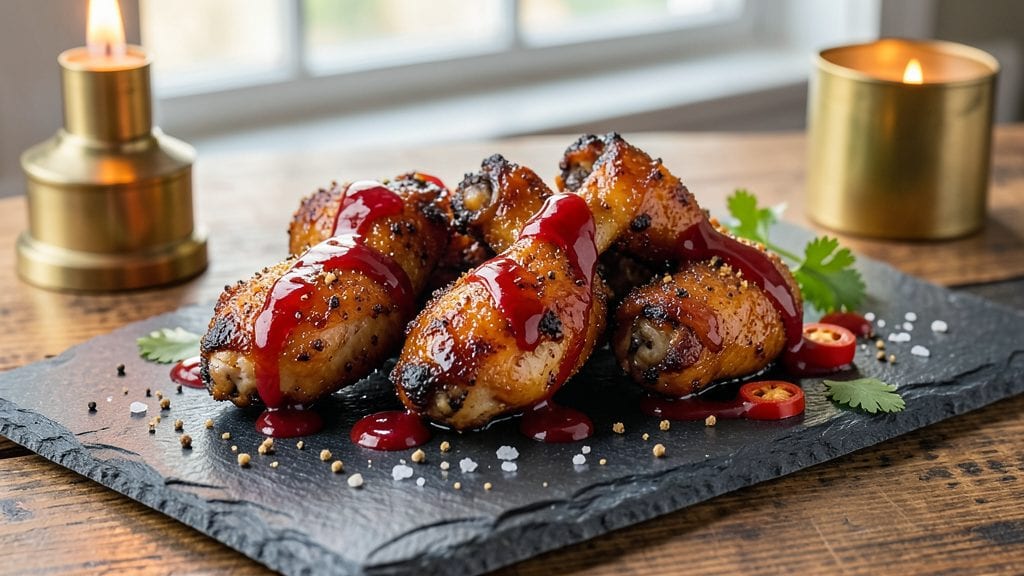
This Traeger smoked chicken wings recipe delivers restaurant-quality results with a perfect balance of smoky-spiced crunch and juicy centers—something I perfected after years of experimenting with my Traeger grill.
The secret lies in a dry rub that caramelizes beautifully while keeping the meat tender, and a low-and-slow smoke that infuses flavor without drying out the wings. My dad would’ve been proud of how these turned out—no burnt edges or tough meat here.
What makes this recipe stand out is the two-stage cooking process: first, a high-heat sear to lock in juices, then a slow smoke at 225°F until the internal temperature hits 165°F. This method ensures crispy skin without sacrificing moisture, and the rub—paprika, garlic powder, and brown sugar—creates a sweet-savory crust that’s impossible to resist.
I’ve tested this with both bone-in and boneless wings, and the results are foolproof either way.
By the time you’re done, you’ll have wings that are tender enough to eat with a fork but crispy enough to hold up to dipping. The smoky aroma alone will have your guests lining up, and the flavor—deep, complex, and perfectly balanced—will make them ask for seconds.
Serve with ranch or blue cheese dressing, and you’ve got a game-day winner that’s worth every minute of smoking time.
This recipe works equally well for weeknight dinners or large gatherings, and the leftovers reheat beautifully. Whether you’re a Traeger newbie or a seasoned pitmaster, these wings will become your go-to recipe. Let’s get started—your grill is waiting.
Ingredients for traeger smoked chicken wings
Fourteen ingredients. Two stages. Wings that’ll have your guests begging for seconds.
| Ingredient | Amount | Notes |
|---|---|---|
| Chicken Wings 🍗 | 2 lb | Bone-in, split into drumettes and flats |
| Smoked Paprika 🌶️ | 2 tbsp | For deep smoky flavor |
| Garlic Powder 🧄 | 1 tbsp | Freshly ground preferred |
| Brown Sugar 🍯 | 1 tbsp | Light or dark works |
| Onion Powder 🧅 | 1 tsp | For subtle sweetness |
| Ground Black Pepper 🌶️ | 1 tsp | Freshly cracked for best flavor |
| Salt 🧂 | 1 tsp | Kosher or sea salt |
| Ground Cumin 🌿 | ½ tsp | Toasted for deeper aroma |
| Apple Cider Vinegar 🍎 | 1 tbsp | For tenderizing marinade |
| Olive Oil 🫒 | 1 tbsp | For searing wings |
| Honey 🍯 | 1 tbsp | For extra caramelization |
| Wood Chips 🌳 | 1 package | Hickory or apple preferred |
The wings make all the difference—bone-in, split into drumettes and flats—they hold up better to the long smoke. Grab them fresh from the butcher or Costco if you’re feeding a crowd. The rub ingredients? Penzeys or your local spice shop for the best quality, but the grocery store stuff works too. Just make sure your smoked paprika isn’t past its prime—it should smell vibrant, not stale. I always double-check the expiration date on spices because old rub equals bland wings.
No smoked paprika? Substitute half paprika, half cayenne for heat. Out of brown sugar? Maple syrup works in a pinch, though it’ll add more moisture. The apple cider vinegar is non-negotiable for tenderizing, but lemon juice at half the amount gets you close. Want extra crisp? Toss the wings in cornstarch before the final sear. And if you’re short on time, pre-mixed dry rubs (like Badia’s) save steps—just add extra olive oil for moisture. The wood chips? Apple or cherry adds sweetness, while hickory gives that classic smoky punch.
Wings keep best in the fridge for 3-4 days after cooking—reheat at 325°F for 10 minutes. For leftovers, store in an airtight container with a paper towel to absorb moisture. Freeze for up to 3 months by portioning into bags with parchment between layers. Pro tip: Save the leftover rub in a jar—it’s perfect for next time. And if you’re prepping ahead, marinate the wings overnight for even deeper flavor, but don’t skip the final sear before smoking.
Why You'll Love This Recipe
- Here’s what sold me: the crispy exterior with that smoky-sweet bite. The brown sugar caramelizes just enough to stick to your fingers, and the smoked paprika? It’s like a warm hug for your taste buds. (Yes, even on a Tuesday night.)
- Five-Ingredient Magic: I swear by this combo—just wings, smoked paprika, garlic powder, brown sugar, and onion powder. That’s it. The smoker does all the heavy lifting while I sip my drink and watch the wings transform into something ridiculously good.
- Smoke-Infused Crunch: Here’s what sold me: the crispy exterior with that smoky-sweet bite. The brown sugar caramelizes just enough to stick to your fingers, and the smoked paprika? It’s like a warm hug for your taste buds. (Yes, even on a Tuesday night.)
- Game Day MVP: Between us, these wings are my go-to for parties, tailgates, or when the game’s on. They feed a crowd without breaking the bank, and honestly? No one will guess they’re this easy to make. Just toss ’em on the Traeger, let it work its magic, and boom—hero status.
Step-by-step instructions for Traeger smoked chicken wings
Here's how to transform simple wings into smoky-spiced perfection with crispy exteriors and juicy centers.
Prep the Wings for Maximum Flavor
Pat the 2 lb chicken wings completely dry with paper towels. This step is crucial—moisture on the skin prevents that beautiful crispy bark we're after. Separate the wings into drumettes and flats, discarding any excess fat or connective tissue.
In a large bowl, whisk together the 2 tbsp smoked paprika, 1 tbsp garlic powder, 1 tbsp brown sugar, 1 tsp onion powder, 1 tsp ground black pepper, 1 tsp salt, and 0.5 tsp ground cumin. The spices should blend completely, creating a fine, even powder. Pour the apple cider vinegar and 1 tbsp olive oil into the bowl and stir until fully combined. This marinade not only flavors the wings but also helps tenderize the meat.
Add the wings to the bowl and toss gently until they're fully coated in the spice mixture. Let them marinate at room temperature for 30 minutes while you prepare your smoker. The acidity in the vinegar will begin breaking down proteins, ensuring those juicy centers we're after.
Set Up Your Traeger for Perfect Smoke
Add the 1 package wood chips to your Traeger's chip tray and set the temperature to 225°F. Use either hickory or apple wood chips as recommended in the ingredients list—they'll complement the spice blend beautifully. Let the smoker preheat for 15 minutes until you see steady, blue smoke with no white puffs.
While the smoker preheats, prepare your wings for smoking. Arrange them skin-side up on the Traeger grates, leaving about 1 inch between each wing. Don't crowd them—they need room to breathe and develop that perfect bark. The wings should fit in a single layer without overlapping.
Once the smoker reaches 225°F and you see clean smoke, place the wings on the grates. Close the lid and resist the urge to peek—the more you open it, the longer your cook time will be. This low-and-slow approach ensures tender meat without drying out the wings.
Smoke Until Probe-Tender
Smoke the wings for 2 hours, maintaining the 225°F temperature. After about 1 hour, you'll notice the skin beginning to crisp and develop a beautiful bark. This is when the magic happens—the smoky flavors penetrate the meat while the exterior gets that irresistible crunch.
Here's the thing—don't rush this step. The wings need time to reach an internal temperature of 165°F in the thickest part of the meat. Use a meat thermometer to check—insert it into the thickest part of a drumette or flat, avoiding any bone contact. If they're not there yet, give them another 30 minutes to 1 hour.
About 15 minutes before they're done, brush the wings with a mixture of the 1 tbsp honey and remaining 1 tbsp olive oil. This creates a sticky glaze that enhances caramelization and adds a subtle sweetness that balances the smoky-spiced profile. Watch them closely—they'll darken quickly.
Rest and Serve with Confidence
Once the wings reach 165°F and the skin is deep brown with visible crispiness, remove them from the smoker and transfer to a wire rack set over a baking sheet. Let them rest for 10 minutes before serving. This resting period allows the juices to redistribute throughout the meat, preventing them from pooling and making the wings soggy.
Serve immediately while the skin is still crisp and the meat is juicy. The wings should have a perfect balance of smoky, spicy, and slightly sweet flavors with a satisfying crunch that gives way to tender meat. For extra presentation, arrange them on a platter with any accumulated juices from the baking sheet—these make an excellent dipping sauce.
You'll love how these wings deliver on that promised juiciness while maintaining that perfect smoky-spiced crunch. The combination of the dry rub, apple cider vinegar marinade, and honey glaze creates a flavor profile that's both complex and satisfying in every bite.
Pro Tips For Making Traeger Smoked Chicken Wings
- Trim the Fat: Pat those wings dry after trimming excess fat—this isn’t just about looks. Wet skin steams instead of crisping, and you’ll end up with sad, gummy wings instead of the sticky-sweet, smoky crust you’re after.
- Two-Stage Smoke: Start hot (275°F) for the first hour to render fat and crisp the skin, then drop to 225°F for the rest. I learned this the hard way—skipping the hot start leaves wings greasy and unevenly cooked.
- Sugar First, Not Last: Toss wings in dry spices before adding wet ingredients (like brown sugar glaze). The spices cling better, and you avoid a sticky mess that’ll drip off the Traeger instead of sticking to the meat.
- Foil Tent for Glaze: If your brown sugar glaze is caramelizing too fast, tent the tray loosely with foil for the last 15 minutes. This keeps the wings tender without burning the sugar into bitter bits—yes, even if you’re impatient like me.
Pro cooking tips for this dish
Traeger Temp Control
Your Traeger’s temperature gauge isn’t always precise—especially when it’s cold outside. I’ve learned to set it to 225°F but verify with an infrared thermometer (like the Meater) on the grill grates.
If it reads 200°F, bump up the heat by 25°F and give it 15 minutes to stabilize. The goal is consistent smoke, not perfect numbers. 🌡️
Dry Rub Adhesion
Pat those wings bone-dry before applying the rub—any moisture will prevent that crispy bark. For extra grip, toss them in 1 tbsp cornstarch after marinating. The starch acts like a glue, helping the spices stick during the smoke.
I also like to lightly oil the Traeger grates before adding wings to prevent sticking. A paper towel with olive oil works perfectly.
Wood Chip Swaps
Stuck with the wrong wood chips? Apple adds sweetness, hickory brings classic smokiness, but cherry offers a fruity depth. Avoid mesquite—it’s too strong for wings. Pro tip: Soak your chips in water for 30 minutes before smoking if your Traeger struggles to produce steady smoke.
This prevents flare-ups and creates cleaner, more even flavor. 🌳
Honey Glaze Timing
Brush that honey-olive oil mix only in the last 15 minutes of smoking. Too early, and the sugar burns, creating bitter notes. Too late, and the wings won’t caramelize enough.
I like to glaze just the tops of the wings first, then flip them halfway through. This ensures even browning without overcooking the meat underneath.
Resting Matters
Skipping the 10-minute rest is a rookie mistake. The juices need time to redistribute, or your wings will be dry and tough. I place them on a wire rack over a baking sheet to catch any drippings—those make an amazing dipping sauce.
Cover them loosely with foil if you’re serving family-style, but keep them warm, not steaming.
Leftovers Hack
Reheat wings in a 350°F oven for 10 minutes on a wire rack (not a plate)—this keeps them crispy. For extra crunch, broil for 2-3 minutes at the end. Store them in the fridge for 3-4 days or freeze for 3 months.
I double-wrap them in plastic wrap + foil to lock in moisture and prevent freezer burn. 💡
Nutrition facts
Frequently asked questions
How do I keep my Traeger from getting too smoky?
Use apple or cherry wood chips instead of hickory for a milder smoke. Keep the lid closed as much as possible and avoid opening it frequently. If the smoke is too intense, reduce the temperature slightly to 200°F and let the wings cook longer. A small fan near the smoker can also help disperse smoke.
Can I use frozen wings for this recipe?
Yes, but thaw them completely first. Place them in the fridge overnight or use the cold water method (sealed in a leak-proof bag). Pat them extra dry after thawing to prevent soggy skin. Frozen wings will take 15-20 minutes longer to reach 165°F internal temperature.
What's the best way to reheat leftover wings?
Reheat in a 350°F oven for 10-12 minutes on a wire rack (not a plate) to maintain crispiness. For extra crunch, broil for 2-3 minutes at the end. Avoid microwaving—it makes wings rubbery. Store leftovers in an airtight container with a paper towel to absorb moisture.
Why did my wings turn out dry?
Overcooking or skipping the rest is usually the culprit. Use a meat thermometer to check 165°F internal temp, not time. Let wings rest 10 minutes before serving—this redistributes juices. For extra moisture, marinate overnight or add 1 tbsp apple cider vinegar to the rub.
What are the best dipping sauces for these wings?
Classic ranch or blue cheese work perfectly, but try smoky BBQ sauce or spicy mango habanero dip for variety. For a smoky twist, mix 1 tbsp honey + 1 tbsp smoked paprika + 2 tbsp mayo. Serve sauces in small bowls with toothpicks for easy dipping.