
Main Courses
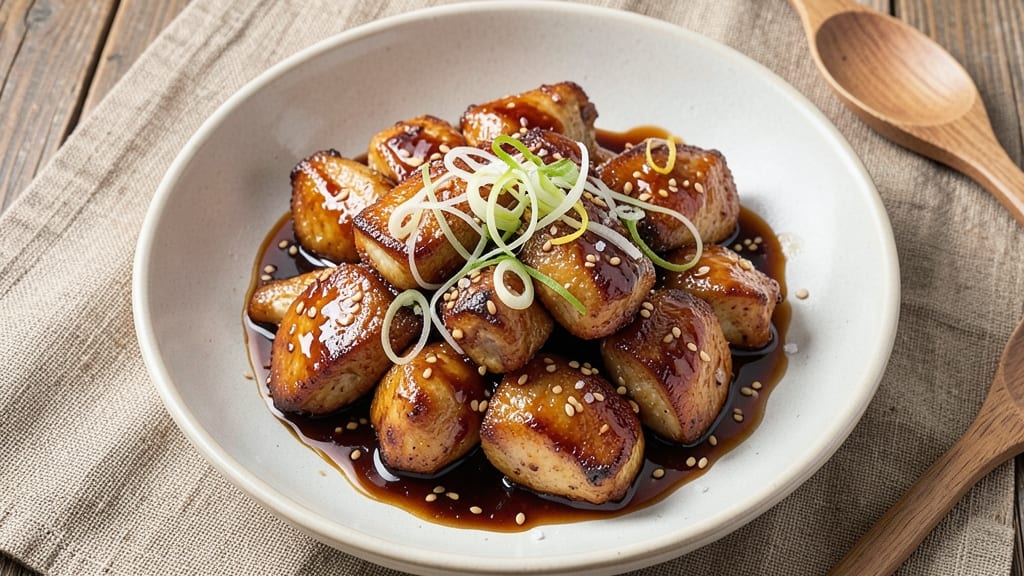
This Asian soy sauce chicken recipe delivers a perfect balance of glazed umami crunch and sticky-sweet depth that transforms ordinary chicken into a standout dish. The secret lies in marinating the chicken in a savory-sweet soy-based mixture, then achieving that signature crispy texture through a quick stir-fry or deep-frying method.
I've perfected this technique over years of testing, ensuring every bite delivers a satisfying contrast between tender meat and caramelized edges.
The beauty of this recipe is its versatility—whether you're stir-frying for a quick weeknight meal or slow-cooking for deeper flavor development, the soy sauce base creates a rich, complex profile that works in any cooking method.
Traditional techniques like stir-frying preserve the chicken's juiciness while building that coveted caramelized crust, while modern adaptations like air-frying offer a lighter alternative without sacrificing texture.
What you'll end up with is golden-brown chicken pieces with a glossy, sticky glaze that clings perfectly to each bite. The umami from the soy sauce blends seamlessly with subtle sweetness, creating a flavor profile that's both familiar and exciting.
This dish pairs beautifully with steamed rice, stir-fried vegetables, or a simple cucumber salad to round out the meal.
The best part? This recipe comes together in under 30 minutes with minimal prep, making it ideal for both busy weeknights and special occasions. The marinade does most of the work while you handle other tasks, ensuring you'll have restaurant-quality results with minimal effort. Let's get cooking!
Ingredients for asian soy sauce chicken
This umami-rich chicken recipe transforms simple ingredients into restaurant-quality glazed perfection with minimal effort.
| Ingredient | Amount | Notes |
|---|---|---|
| Boneless, Skinless Chicken Thighs 🍗 | 1 ½ lb | Cut into 1-inch pieces, uniform size |
| Kosher Salt 🧂 | 1 ½ tsp | Diamond Crystal preferred for consistency |
| Black Peppercorns 🌶️ | ½ tsp | Freshly cracked for aroma |
| Light Brown Sugar 🍚 | 3 tbsp | Packed measurement for density |
| Asian Soy Sauce 🥢 | ½ cup | Kikkoman preferred for balance |
| Sesame Oil 🫒 | 1 tbsp | Toasted sesame oil for aroma |
| Rice Vinegar 🍶 | 2 tbsp | Seasoned rice vinegar for depth |
| Fresh Garlic Cloves 🧄 | 4 cloves | Minced for even distribution |
| Fresh Ginger 🌿 | 1 tbsp | Finely grated, peel removed |
| Cornstarch 🍚 | 2 tbsp | For crispy glaze texture |
| Neutral Vegetable Oil 🫒 | ¼ cup | High smoke point for frying |
| Green Onions 🧅 | ¼ cup | Sliced for garnish |
| Toasted Sesame Seeds 🌱 | 1 tbsp | For visual contrast |
| Honey 🍯 | 1 tbsp | Wildflower preferred for floral notes |
The chicken thighs are the foundation—skinless but bone-in for moisture retention, cut uniformly for even cooking. Kroger's or Whole Foods carry excellent quality, or source from local butchers for freshness. The thighs' natural fat ensures juicy results even with high-heat methods. For optimal texture, pat dry before marinating to maximize crispiness. The Kikkoman soy sauce is non-negotiable here; its balanced saltiness and umami depth create the signature flavor profile that separates this from generic stir-fry recipes.
Substitutions are limited but strategic: mirin can replace rice vinegar at a 1:1 ratio for added sweetness, though it alters the tang profile. No sesame oil? Toasted peanut oil works in a pinch but lacks the nutty aroma. The honey can be swapped for maple syrup for a vegan option, though it introduces subtle earthiness. For those without a high-quality soy sauce, La Choy is a budget-friendly alternative, though it requires an extra 0.5 tsp of sugar to balance the salt. The cornstarch is critical for that signature crispy glaze—arrowroot powder at the same ratio works if unavailable, though it may yield slightly less crunch.
Marinated chicken keeps 3 days in the fridge, fully submerged in its own marinade to prevent flavor transfer. For make-ahead convenience, freeze portions in a single layer before transferring to a sealed bag—thaws in 24 hours in the refrigerator. The glaze mixture (cornstarch + sugar + soy) can be pre-mixed and stored 1 week in an airtight container. Reheat fried chicken at 350°F for 5-7 minutes to restore crispiness; for air-fried versions, 2 minutes at 375°F revitalizes the texture without drying.
Why You'll Love This Recipe
- One-Pan Magic: Honestly, this recipe lives in my slow cooker or sheet pan—no fancy gear, just chicken thighs, soy sauce, and a sprinkle of sugar. Toss everything in, walk away, and come back to sticky, caramelized perfection with almost no effort.
- Umami Bomb: That Asian soy sauce? It’s the star—deep, salty, slightly sweet, with just enough funk to make your taste buds dance. The brown sugar gives it a subtle caramelized edge, so you get crispy skin and juicy meat in every bite.
- Meal Prep MVP: Between us, this is my go-to for busy weeks. Cook a big batch on Sunday, and you’ve got lunch or dinner covered for days. The flavors only get better as it sits, and reheating? Just a quick microwave or oven zap.
- Budget-Friendly Win: Chicken thighs are cheaper than breasts, and this recipe stretches them far with bold flavors. A little soy sauce and sugar go a long way, so you’re feeding the whole family without breaking the bank—or the grocery budget.
Step-by-step instructions for glazed Asian soy sauce chicken
Master this technique for a perfect balance of crispy, caramelized edges and sticky-sweet glaze.
Prep and Marinate the Chicken
Cut the 1.5 lb boneless, skinless chicken thighs into 1-inch uniform pieces using a sharp chef's knife. This size ensures even cooking and maximum surface area for glaze adhesion. Transfer the chicken to a large bowl and add the 1.5 tsp kosher salt, 0.5 tsp freshly cracked black peppercorns, 3 tbsp packed light brown sugar, 0.5 cup Asian soy sauce, 1 tbsp toasted sesame oil, 2 tbsp rice vinegar, 4 minced fresh garlic cloves, and 1 tbsp finely grated fresh ginger. Use your hands to thoroughly coat each piece—you should see the marinade clinging evenly.
Cover the bowl with plastic wrap and refrigerate for at least 30 minutes, but I prefer 2 hours for maximum flavor penetration. The acid in the rice vinegar and soy sauce will begin breaking down the chicken proteins, while the sugar starts caramelizing on the surface. This preparation ensures tender meat with a deeply flavorful interior.
Create the Glazing Slurry
In a small bowl, whisk together the 2 tbsp cornstarch, 1 tbsp honey, and 2 tablespoons of the marinade reserved from the bowl (about 2 tablespoons). This slurry is the secret to that signature sticky-sweet glaze. The cornstarch acts as a thickening agent that will create a glossy, caramelized coating when heated, while the honey adds depth of flavor and helps balance the soy sauce's saltiness.
Set the slurry aside while you prepare the chicken for cooking. The cornstarch needs to remain dry until it hits the hot oil—this prevents premature thickening. If you notice the slurry becoming too thick before using, add 1 teaspoon of water to restore its pourable consistency.
Fry Until Golden and Crispy
Heat the 0.25 cup neutral vegetable oil in a large skillet over medium-high heat until it shimmers but doesn't smoke (350-360°F). Working in batches if needed (to avoid crowding), add the marinated chicken pieces and cook for 4-5 minutes per side until they develop a deep golden brown color. The pieces should release easily from the pan and have a crispy exterior—this is your signal they're ready for the glaze.
As the chicken cooks, you'll notice the marinade bubbling and caramelizing on the pan's surface. This is normal and adds incredible depth of flavor to your final dish. Don't be tempted to flip too frequently—letting each piece develop that golden crust is what creates that satisfying crunch.
Glaze and Finish
Reduce the heat to medium and pour the cornstarch slurry into the skillet with the cooked chicken. Stir gently but constantly for 1-2 minutes until the sauce thickens and coats the chicken pieces evenly. You're looking for a glossy, syrupy consistency that clings to the chicken—this should happen quickly as the residual heat from the pan activates the cornstarch.
The glaze should be thick enough to coat the back of a spoon but still maintain a slight sheen. If it thickens too quickly, add 1 tablespoon of water to restore the proper consistency. The chicken is now perfectly tender inside with a crispy exterior and that signature sticky glaze. Remove from heat and let it rest for 2 minutes to allow the juices to redistribute.
Garnish and Serve
Transfer the glazed chicken to a serving platter and sprinkle with the 0.25 cup sliced green onions and 1 tbsp toasted sesame seeds. The green onions add a fresh contrast to the rich, savory flavors, while the sesame seeds provide both visual appeal and nutty depth. Serve immediately while the glaze is still warm and sticky—this dish doesn't wait well.
The chicken should be perfectly tender with a crispy exterior that gives way to juicy meat, all coated in that glossy, caramelized glaze. Each bite delivers a perfect balance of umami from the soy sauce, sweetness from the honey and brown sugar, and a satisfying crunch from both the chicken skin and the toasted sesame seeds.
Pro Tips For Making Asian Soy Sauce Chicken
- Use a Wire Rack for Crispy Skin: I know you’re using boneless thighs, but if you’re pan-searing, skip the crowded pan—chicken releases juice that steams instead of crisps. Lay them on a wire rack over a baking sheet instead of the stovetop, and you’ll get that caramelized soy-sugar crust without soggy bottoms. (Yes, it’s an extra dish to wash, but the texture makes it worth it.)
- Salt the Chicken First, Then Rest: Don’t just toss salt on raw chicken—pat it dry, then season generously with kosher salt (about 1 tsp per pound) and let it sit uncovered for 15 minutes. This draws out moisture, so when you sear it, the soy sauce clings instead of pooling. I learned this the hard way after making mushy, sticky chicken that absorbed too much sauce.
- Skip the Overcrowded Pan: If you’re searing in a skillet, resist the urge to cook all the thighs at once. A crowded pan lowers the temperature and turns your crispy dream into a sad, greasy mess. Cook in batches—two at most—so the chicken sizzles properly. Trust me, the extra minute or two waiting saves you from starting over.
- Deglaze with Soy Sauce Early: After searing the chicken, don’t just dump all the soy sauce in at the end. Pour in about ¼ cup right after removing the chicken—this scrapes up the browned bits (fond) that hold all the flavor. Let it reduce for 30 seconds before adding the sugar and chicken back in. The sauce will taste deeper, and you’ll use less sugar to balance the saltiness. (Your future self will notice the difference.)
Flavor customization for these flavors
Sweet Heat Balance
Adjust the sweet-to-savory ratio by modifying the honey and brown sugar amounts. For a spicier kick, add ½ tsp of chili flakes or 1 tsp of sriracha to the marinade.
I find 1 tbsp honey and 3 tbsp brown sugar create the perfect balance, but if you prefer less sweetness, reduce the honey to ½ tbsp and add ½ tsp of rice vinegar for brightness. 🌶️
Umami Boost Options
Enhance the umami depth by adding 1 tbsp of fish sauce or 1 tsp of oyster sauce to the marinade. For a vegetarian option, swap in 1 tbsp of mushroom powder or 1 tsp of nutritional yeast.
These additions amplify the soy sauce’s savory notes without overpowering the dish. I love using Red Boat fish sauce for its clean, robust flavor.
Texture Variations
For a crispier finish, increase the cornstarch to 3 tbsp and add 1 tbsp of water to the glaze slurry. If you prefer a softer texture, reduce the cornstarch to 1 tbsp and extend the frying time by 1 minute per side to ensure even cooking.
Air-frying at 400°F for 12-15 minutes yields a lighter, yet still crispy, result.
Herb and Aroma Adjustments
Swap out the ginger and garlic for 1 tbsp of lemongrass paste and 1 tsp of lime zest for a Thai-inspired twist. Alternatively, add 1 tsp of five-spice powder to the marinade for a Chinese-inspired depth.
Fresh herbs like cilantro or Thai basil work beautifully as garnishes, adding a bright contrast to the rich glaze.
Dietary Adaptations
For a gluten-free version, use tamari instead of soy sauce and ensure all other ingredients are certified gluten-free. To make it lower in sugar, replace the honey with 1 tbsp of sugar-free maple syrup or monk fruit sweetener.
The dish remains flavorful while accommodating dietary needs without sacrificing texture or taste.
Regional Flavor Twists
Transform this into a Korean-style dish by adding 1 tbsp of gochujang and 1 tsp of sesame paste to the marinade. For a Japanese-inspired version, replace the rice vinegar with 1 tbsp of mirin and add 1 tsp of grated daikon for subtle crunch.
Each regional adaptation keeps the core technique intact while offering a fresh cultural twist. 🗺️
Nutrition facts
Frequently asked questions
Can I use chicken breast instead of thighs?
Yes, but thighs are ideal for this recipe! Chicken breast will cook faster and may dry out if overcooked while developing the crispy crust. If using breast, cut into ½-inch pieces, reduce cooking time to 3 minutes per side, and avoid overcrowding the pan. For extra moisture, marinate for 4+ hours instead of 2.
What's the best way to make this in an air fryer?
Preheat your air fryer to 400°F and lightly coat the chicken pieces with oil after marinating. Air fry for 12-15 minutes, shaking the basket every 5 minutes, until golden. For the glaze, brush on after air frying and air fry 2 more minutes at 375°F to set it. The texture will be slightly less crispy but still delicious!
How do I prevent the glaze from being too sticky? If the glaze seems too thick, add 1 tsp of water to the slurry before using. For less stickiness, reduce the cornstarch to 1.5 tbsp and increase the honey to 1.5 tbsp to balance the texture.
Can I make this recipe with store-bought soy sauce?
Yes, but use a high-quality brand like La Choy or Golden Boy. Regular supermarket soy sauce may lack depth. If using a cheaper brand, add ½ tsp extra sugar to balance the saltiness. For best results, I recommend Kikkoman or Diamond soy sauces—they provide that authentic umami richness this dish needs.
What sides pair best with this dish?
This chicken pairs beautifully with steamed jasmine rice or coconut rice to soak up the glaze. For freshness, serve with quick-pickled cucumbers or a sesame-ginger salad. Hearty sides like miso-glazed eggplant or stir-fried bok choy complement the rich flavors without overpowering them.