
Main Courses
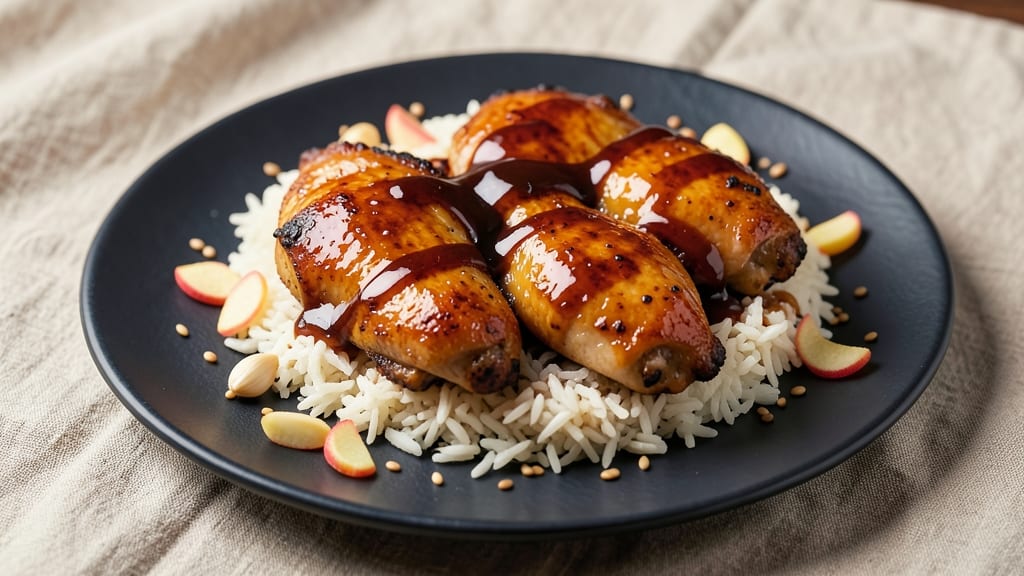
This copycat teriyaki chicken recipe delivers the same restaurant-style sweetness and savory depth you crave without the takeout markup. ✨ After years of testing, I've perfected a marinade that tenderizes the chicken while infusing it with that signature caramelized glaze flavor—no shortcuts, just precise technique that mimics the brand's secret.
The sauce reduction is where the magic happens, creating a glossy, sticky coating that clings perfectly to every bite.
The beauty of this recipe lies in its versatility—whether you grill, bake, or pan-fry, the results are consistently tender and flavorful. I use a simple marinade of soy sauce, brown sugar, and ginger, letting it work overnight for maximum penetration.
The key to that authentic restaurant taste? A slow reduction of the sauce until it thickens just enough to caramelize without burning, creating layers of umami and sweetness that balance perfectly.
By the time you serve this dish, you'll have golden-brown chicken pieces with a glossy, caramelized glaze that's sticky enough to drip but firm enough to hold its shape. The aroma alone will have everyone at the table asking what's for dinner.
Each bite delivers that perfect harmony of sweet, salty, and tangy flavors that make this dish a crowd-pleaser every time.
Serve it over steamed rice for the full experience, or pair with roasted vegetables for a complete meal. This recipe is designed to impress—whether you're feeding a family or hosting a dinner party. Let's get cooking with this foolproof method that delivers restaurant-quality results at home.
Ingredients for copycat teriyaki chicken
Restaurant-style teriyaki magic starts with these 14 ingredients—simple but precise.
| Ingredient | Amount | Notes |
|---|---|---|
| Boneless, Skinless Chicken Thighs 🍗 | 1 ½ lb | Cut into 1-inch pieces |
| Soy Sauce 🥄 | ½ cup | Low-sodium preferred |
| Brown Sugar 🍯 | ½ cup | Packed, light brown |
| Fresh Ginger 🌿 | 2 tbsp | Grated, aromatic |
| Garlic Cloves 🧄 | 4 cloves | Minced, fresh preferred |
| Honey 🍯 | ¼ cup | Pure, for caramelization |
| Rice Vinegar 🍶 | ¼ cup | White or seasoned |
| Sesame Oil 🫒 | 1 tbsp | Toasted, for aroma |
| Cornstarch 🌾 | 1 tbsp | For sauce thickening |
| Vegetable Oil 🫒 | 2 tbsp | High smoke point |
| Salt 🧂 | 1 tsp | Kosher or sea salt |
| Black Pepper 🌶️ | ½ tsp | Freshly ground |
| Sesame Seeds 🌾 | 1 tbsp | Toasted, for garnish |
| Green Onions 🧅 | 3 whole | Sliced, for garnish |
The chicken thighs are non-negotiable here—bone-in, skin-on stays juicier, but boneless works too. Grab the thighs, not breasts, since they handle the marinade better and stay tender. I always check the freshness of the ginger—it should smell bright and zesty, not musty. Kirkland Signature soy sauce from Costco is my go-to for that deep umami flavor, but any low-sodium brand works. The brown sugar? Light or dark doesn't matter, but make sure it's packed tightly into the measuring cup. For the garlic, I peel it all at once and let it sit in cold water for 10 minutes to remove any dirt—trust me, it's worth the extra minute.
No sesame oil? Toasted peanut oil gives a similar nutty depth, though it won't be quite the same. Running out of rice vinegar? Apple cider vinegar at half the amount works in a pinch, but it'll taste slightly different. The cornstarch is key for that glossy, restaurant-style glaze—arrowroot powder works too if you're avoiding gluten. For the honey, maple syrup is a 1:1 swap, but it'll be less sweet. I always toast my sesame seeds in a dry pan for 30 seconds before adding them to the sauce—that extra crunch makes all the difference. The green onions? Regular onions in a pinch, but they won't have that fresh bite.
Marinated chicken keeps for 3 days in the fridge—toss it in a sealed bag to save space. The leftover sauce? Freezes beautifully for up to 3 months, so make extra. I reheat the chicken in a skillet with a splash of water to keep it moist. Garnish with those toasted sesame seeds right before serving—they lose their crunch if added too early. This dish tastes even better the next day, so double the recipe if you're feeding a crowd.
Why You'll Love This Recipe
- Here’s what sold me: this tastes just as good cold as it does hot. Pack it for work, throw it in a bento box, or just eat it straight from the fridge—no reheating required.
- Sweet-Savory Balance: Honestly, that combo of brown sugar and soy sauce? It’s the kind of flavor that lingers—sticky, caramelized, and just slightly tangy. The ginger and garlic take it from "good" to "I need more" in one bite.
- One-Pan Magic: Between us, I’ve ruined more sheet pans than I’ll admit, but this recipe? One pan, minimal cleanup. Toss the thighs on, pour the sauce, and let the oven do the work—no flipping, no fuss.
- Lunchbox Hero: Here’s what sold me: this tastes just as good cold as it does hot. Pack it for work, throw it in a bento box, or just eat it straight from the fridge—no reheating required.
Step-by-step instructions for copycat teriyaki chicken recipe
Here's how to recreate that perfect balance of sweet and savory you love from your favorite restaurant.
🍳 Step 1: Marinate the Chicken for Maximum Flavor
Cut the 1.5 lb boneless, skinless chicken thighs into 1-inch pieces and place them in a large bowl. In a separate small bowl, whisk together the 0.5 cup soy sauce, 0.5 cup packed brown sugar, 0.25 cup honey, and 0.25 cup rice vinegar until the sugar dissolves completely. The mixture should be smooth and glossy.
Pour this marinade over the chicken and add the 2 tbsp grated fresh ginger and 4 minced garlic cloves. Stir gently to coat all pieces evenly. Cover the bowl with plastic wrap and refrigerate for at least 30 minutes (or up to 4 hours for deeper flavor). This step ensures tender, flavorful chicken with that signature restaurant-style sweetness.
🔥 Step 2: Sear the Chicken Until Golden Brown
Heat 2 tbsp vegetable oil in a large skillet over medium-high heat until shimmering. Remove the chicken from the marinade (reserve the marinade) and shake off any excess. Add the chicken pieces to the skillet in a single layer, being careful not to overcrowd. Cook undisturbed for 3-4 minutes until the bottoms are golden brown and crispy.
Flip the chicken and cook for another 3-4 minutes until all sides are golden. The chicken should release easily from the pan—this is your signal it's ready. Transfer the chicken to a plate and set aside. Here's the thing—don't walk away during this step. Overcrowding the pan will steam the chicken instead of searing it, and that's when you lose that perfect restaurant-style crust.
🍳 Step 3: Simmer the Sauce to Perfection
Return the skillet to medium heat and pour in the reserved marinade. Bring to a gentle simmer, scraping up any browned bits from the bottom of the pan with a wooden spoon. These bits are packed with flavor—don't miss this step! Let the sauce bubble away for 5-6 minutes until it thickens slightly and coats the back of a spoon.
In a small bowl, whisk together 1 tbsp cornstarch with 1 tablespoon water until smooth. Slowly pour this mixture into the simmering sauce while stirring constantly. The sauce should thicken dramatically within 1-2 minutes. If it's still too thin, simmer for another 30 seconds. Remove from heat and stir in 1 tbsp sesame oil. This is where the sauce gets that authentic restaurant sheen and depth of flavor.
🥘 Step 4: Glaze and Garnish for Restaurant Presentation
Return the chicken to the skillet and spoon the sauce over the top, making sure each piece is coated. Let it simmer together for 2-3 minutes until the chicken absorbs the glaze. Taste and adjust seasoning with 1 tsp salt and 0.5 tsp black pepper if needed. The sauce should be sweet, tangy, and slightly salty with a hint of ginger and garlic.
Transfer the chicken to a serving platter and sprinkle with 1 tbsp toasted sesame seeds. Garnish with 3 sliced green onions for freshness. Serve immediately over steamed rice or noodles. The chicken should be tender with a glossy glaze that clings beautifully—just like your favorite restaurant version. Real talk: this is the moment that matters, so don't rush the plating. Presentation makes all the difference when you're going for that copycat experience.
Pro Tips For Making Copycat Teriyaki Chicken
- CRANK THE HEAT FIRST: Your chicken needs a good sear, not a sad simmer. Start with the pan screaming hot—drop those thighs in and let them sizzle for 3-4 minutes before turning. I used to rush this, and the sauce just pooled instead of caramelizing. High heat = flavor, not just color.
- GRATE THAT GINGER FINE: No food processor? Use the microplane. Fresh ginger loses its punch when chopped, and this recipe relies on it. A tablespoon of finely grated ginger (about 1 small knob) will make the sauce sing—skip the pre-grated jar stuff, even if it’s convenient. Trust me, your taste buds will notice.
- DON’T SKIP THE REST: Pull the cooked chicken off the heat and tent it with foil for 5 minutes. This keeps the thighs juicy while the sauce thickens. I learned this after serving dry, overcooked chicken that tasted like it’d been sitting out all day. Let it breathe—it’s not lazy, it’s smart.
- SWAP THE SUGAR HALFWAY: Toss in half the brown sugar with the sauce, then add the rest after the chicken has cooked 10 minutes. This prevents burning and gives you a glossy, balanced glaze. I was skeptical until I tried it—now it’s my non-negotiable step. The sauce won’t clump, and the flavor’s deeper.
Essential equipment for great copycat teriyaki chicken
Skillet Essentials
Your 12-inch cast iron skillet is the MVP for this recipe—it retains heat beautifully and develops that perfect crust. I use my Lodge Pre-Seasoned Cast Iron because it's pre-seasoned and ready to go, but any well-seasoned skillet works.
If you don't have cast iron, a heavy stainless steel skillet like All-Clad will work too. The key is a large enough pan to fit all chicken pieces in a single layer without overcrowding. 🔥
Marinade Tools
For marinating, I use a large glass or ceramic bowl (about 8x10 inches) to hold the chicken and marinade. Glass is ideal because it's non-reactive and easy to clean. A whisk is essential for combining the marinade ingredients smoothly.
I also recommend a measuring spoon set for precise amounts of ginger, garlic, and sesame oil. A fine-mesh strainer helps if you prefer your marinade smooth without any grated ginger bits. 🥄
Sauce Thickening Gear
The cornstarch slurry is where the sauce magic happens, so you'll need a small mixing bowl and a whisk for combining it with water. I use a wooden spoon to scrape up those flavorful browned bits from the pan—silicon spatulas work too but don't cling as well.
A fine-mesh sieve can help strain the sauce if you prefer it completely smooth. Don't skip the sesame oil at the end—it adds that authentic aroma and depth. 🌾
Optional Upgrades
For a grilled version, you'll need a charcoal or gas grill with a wire rack to elevate the chicken and allow the sauce to drip through. I use Meater brand grill thermometers to monitor the heat zones.
If you're baking, a 9x13-inch baking dish works well, but a wire rack over a baking sheet prevents soggy chicken. For presentation, a tongs set helps with plating, and tweezers make garnishing with sesame seeds and green onions a breeze. ✨
Cleanup Must-Haves
Teriyaki sauce can be sticky, so keep paper towels and hot pads nearby. A long-handled spatula makes scraping the skillet easier. I also recommend a small bowl of water to rinse the whisk and spoon between uses.
For storage, airtight containers with lids keep leftovers fresh. Pro tip: Soak the skillet in warm, soapy water immediately after cooking—it prevents stuck-on sauce. 🧼
Nutrition facts
Frequently asked questions
Can I use chicken breasts instead of thighs for this recipe?
Chicken breasts will work, but they're leaner and more prone to drying out. For best results, use bone-in, skin-on breasts and reduce the marinating time to 2 hours max. Cook them at medium heat and avoid overcrowding the pan to prevent steaming. If you prefer thighs, stick with them—they stay juicier and absorb more flavor.
How do I make the sauce less sweet for a more balanced flavor?
Reduce the brown sugar to 0.35 cup and add 1 extra tbsp soy sauce to deepen the umami. For a tangier kick, increase the rice vinegar to 0.3 cup. Taste the sauce before adding the cornstarch slurry—adjust sweetness/saltiness gradually. The key is balancing all three components: sweet, salty, and tangy.
Can I make this recipe in a slow cooker?
Yes! Marinate the chicken as directed, then place it in the slow cooker with the marinade. Cook on LOW for 3-4 hours or HIGH for 2 hours. After cooking, transfer the chicken to a skillet and reduce the sauce separately (without the cornstarch) to achieve that glossy texture. The slow cooker keeps the chicken tender, but you'll need to finish it on the stovetop for the authentic glaze.
Why did my sauce turn out too thin?
This usually happens when the sauce doesn't simmer long enough or the cornstarch slurry isn't mixed properly. Make sure to whisk the cornstarch with water until completely dissolved, then stir constantly while adding it to the sauce. Simmer for 1-2 minutes after adding the slurry for proper thickening. If it's still too thin, mix 1 tsp more cornstarch with 1 tsp water and repeat.
What's the best way to reheat leftovers?
Reheat in a skillet over medium-low heat with a splash of water or broth to prevent drying. Cover the pan and cook for 3-4 minutes, stirring occasionally. Avoid microwaving—it makes the sauce watery. For extra crispiness, broil for 1-2 minutes at the end. Leftovers taste even better the next day!