
Sauces & Condiments
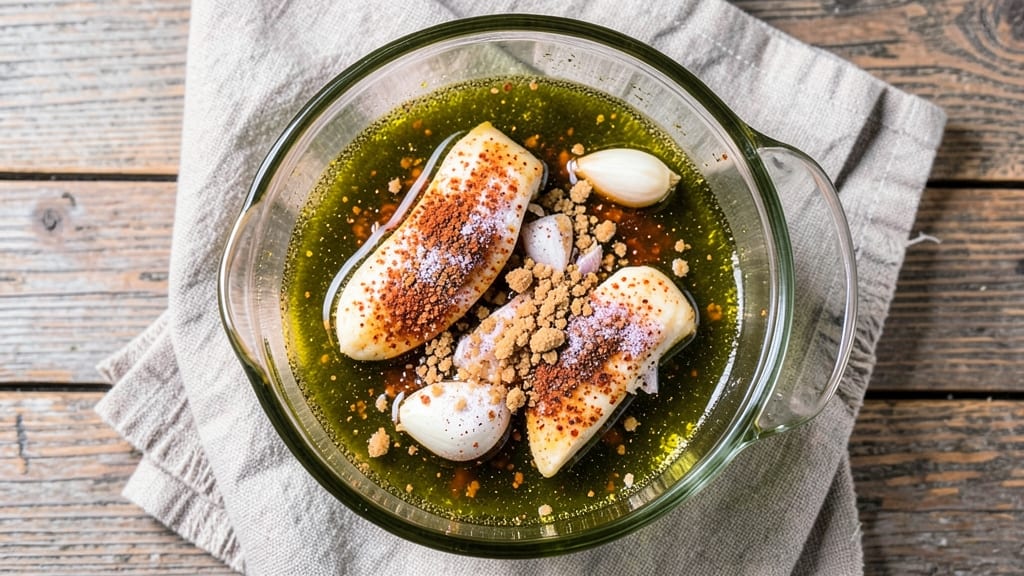
This chicken strip marinade recipe transforms ordinary chicken into restaurant-quality bites with a perfect balance of crispy texture and juicy tenderness. The secret lies in a bold blend of spices, acids, and oils that penetrate deeply while keeping the meat moist—no dry, tough strips here.
I developed this marinade after years of testing, and it consistently delivers that coveted crunchy exterior with a succulent interior every time.
The marinade combines simple yet powerful ingredients: olive oil for moisture, apple cider vinegar for tang, and a precise mix of smoked paprika, garlic powder, and onion powder for depth. A touch of brown sugar caramelizes during cooking, adding subtle sweetness that complements the savory spices.
What makes this marinade truly special is its ability to tenderize the chicken while creating a flavorful crust that locks in juices—no matter how you cook them.
With just 15 minutes of marinating time, you’ll achieve flavor penetration without over-soaking the chicken. The result is golden, crispy strips bursting with flavor in every bite, whether pan-fried, baked, or air-fried.
This marinade works equally well for breading or serving as-is, making it versatile for any meal. Let’s get started on the perfect blend.
Store any leftover marinade in an airtight container in the fridge for up to 5 days, or freeze for longer storage. The spices mellow slightly over time, making it even more flavorful for future batches.
Pair this marinade with your favorite dipping sauces or use it as a base for other chicken dishes—its flexibility is just as impressive as its taste.
Ingredients for chicken strip marinade
Nine simple ingredients create the perfect marinade for crispy, juicy chicken strips.
| Ingredient | Amount | Notes |
|---|---|---|
| Extra-Virgin Olive Oil 🫒 | ½ cup | High quality, fruity flavor |
| Apple Cider Vinegar 🍏 | ¼ cup | Unfiltered for tanginess |
| Smoked Paprika 🌶️ | 2 tbsp | Deep, smoky flavor |
| Garlic Powder 🧄 | 1 ½ tbsp | Freshly ground preferred |
| Onion Powder 🧅 | 1 ½ tbsp | Adds savory depth |
| Brown Sugar 🍚 | 1 tbsp | Lightly packed |
| Salt 🧂 | 1 ½ tsp | Kosher or sea salt |
| Black Pepper 🌶️ | ½ tsp | Freshly cracked |
| Ground Mustard 🥬 | ½ tsp | Adds subtle tang |
| Worcestershire Sauce 🍶 | 1 tbsp | For umami depth |
The olive oil is the base—look for extra-virgin with a fruity finish at stores like Whole Foods or Trader Joe's for the best flavor. Apple cider vinegar should be unfiltered (that cloudy kind) for maximum tang. I grab mine from the organic section—Bragg is my go-to. The smoked paprika is non-negotiable for that restaurant-quality depth. Penzeys has great options if you want to splurge, but the regular grocery store stuff works fine. Just check the expiration date—old spices taste dull.
No smoked paprika? Regular paprika plus a pinch of liquid smoke gets you close. Skip the vinegar? Lemon juice works in a pinch, but it won't caramelize like apple cider. The Worcestershire sauce can be swapped for soy sauce or fish sauce if you have dietary restrictions. For extra heat, add a pinch of cayenne (start with 1/8 tsp). The brown sugar is there to caramelize during cooking—don't skip it, even if you're not sweet-toothed. It balances the spices beautifully. And yes, you can double this batch—it keeps well in the fridge.
This marinade stays potent for 5 days in the fridge (or 3 months frozen if you want to prep ahead). I always make extra because it's perfect for other chicken dishes too. Store it in a glass jar with a tight lid—plastic can absorb odors. If you're prepping for a crowd, divide it into smaller containers. The flavors actually improve after 24 hours, so let it sit if you can. And don't toss it after marinating chicken—just use a clean spoon for dipping or toss it with cooked strips.
Why You'll Love This Recipe
- Pantry Magic: This marinade uses stuff I already have—no special shopping needed. The apple cider vinegar cuts through the richness of the olive oil, while the smoked paprika gives it that subtle smoky warmth that makes everything taste better.
- Crispy Without Fuss: No breading, no deep-frying—just toss the strips in this mix, let them sit, and grill or bake until golden. That garlic-powder punch? It clings to the chicken like a flavor hug, turning ordinary strips into something ridiculously satisfying.
- Double-Duty Marinade: Use it for chicken strips, toss it on roasted potatoes, or even drizzle it over a simple salad. Honestly, I’ve used the leftovers to season scrambled eggs—yes, really—and no one complained. (Okay, fine, they asked for more.)
- Budget Booster: A little goes a long way, and the ingredients cost next to nothing. Smoked paprika alone adds depth without breaking the bank, while the vinegar keeps things bright. My wallet and my taste buds win—no guilt, just great food.
Step-by-step instructions for chicken strip marinade
Here's how to blend this marinade perfectly for maximum flavor penetration.
Combine Wet Ingredients in a Bowl
In a medium mixing bowl, pour in the 0.5 cup extra-virgin olive oil and 0.25 cup apple cider vinegar. The vinegar will immediately start breaking down the oil's surface tension, creating a more effective marinade that penetrates deeper into the chicken. Stir these two ingredients together until fully emulsified—the mixture should look slightly cloudy rather than completely clear.
Next, add the 1 tbsp Worcestershire sauce and stir again. This umami-rich ingredient will add depth to your chicken strips, balancing the acidity from the vinegar. The sauce should blend smoothly with no visible streaks remaining. Set this mixture aside while you prepare the dry ingredients.
Whisk in All Dry Components
In a separate small bowl, combine the 2 tbsp smoked paprika, 1.5 tbsp garlic powder, 1.5 tbsp onion powder, 1 tbsp brown sugar, 1.5 tsp salt, 0.5 tsp black pepper, and 0.5 tsp ground mustard. Give these dry ingredients a quick whisk to ensure they're thoroughly mixed together. The smoked paprika will give your marinade its signature deep, smoky flavor while the garlic and onion powders build a savory foundation.
Now, gradually sprinkle the dry mixture into your wet ingredients while whisking continuously. This prevents clumping and ensures an even distribution of all flavors. The marinade should thicken slightly but remain pourable. If it becomes too thick, you can thin it with an additional 1-2 tablespoons of apple cider vinegar—just enough to reach a consistency where it coats the back of a spoon.
Marinate Chicken for Maximum Flavor
Place your chicken strips in a resealable plastic bag or shallow glass dish. Pour the completed marinade over the chicken, making sure each piece is fully coated. If using a bag, press out as much air as possible before sealing it tightly. The goal is to maximize surface area contact between the marinade and chicken for even flavor penetration.
Refrigerate the chicken for at least 4 hours, but ideally overnight for best results. This extended marination time allows the acidic components to tenderize the meat while the spices and oils infuse deeply. The chicken will develop a beautiful golden color and absorb all those smoky, savory flavors. When ready to cook, the strips should be noticeably more tender and ready to develop that perfect crispy exterior.
Cook Immediately for Best Results
Remove the chicken from the refrigerator and let it sit at room temperature for 15-20 minutes before cooking. This brief resting period ensures even cooking throughout. Pat the strips dry with paper towels just before cooking—this step is crucial for achieving that crispy exterior we're after. The dry surface will help create a better sear in the pan.
Cook the chicken strips over medium-high heat in a lightly oiled skillet for 3-4 minutes per side, until they reach an internal temperature of 165°F and develop golden-brown crispiness. The marinade will caramelize slightly, adding another layer of flavor. Serve immediately while the chicken is still juicy and the crust remains crisp.
Pro Tips For Making Chicken Strip Marinade
- Mix Vinegar Last: The acid in apple cider vinegar breaks down proteins faster than you’d think—if you toss it in too early, your chicken strips will turn rubbery before they even hit the pan. Stir it in right before marinating, or split the batch: use half immediately and save the rest for a quick toss before cooking.
- Use Real Garlic: Garlic powder’s convenient, but it’s not the same as fresh. If you’re in a pinch, crush a few cloves into a fine powder yourself and mix it in—it’ll add a brightness that jarred powder just can’t match. (Yes, even if you’re impatient like me.)
- Don’t Overcrowd the Pan: I learned this the hard way—dumping all your strips in at once just steams them instead of searing. Work in batches, even if it means an extra minute waiting. You’ll get that crispy crust you’re after, not sad, soggy chicken.
- Toast the Spices First: Smoked paprika and garlic powder taste even better when you dry-toast them for 30 seconds in a hot pan before mixing into the marinade. It deepens their flavor and cuts through the acidity of the vinegar, so you don’t end up with a one-note marinade. (Your future self will notice the difference.)
Make-ahead tips for this dish
Marinade Prep Ahead
Make this marinade up to 3 days in advance and store it in an airtight glass container in the fridge. The flavors deepen over time, so I always prep mine the day before I plan to cook.
Just give it a good stir before using—sometimes the spices settle. For longer storage, freeze in ice cube trays and transfer to a freezer bag once solid. Thaw overnight in the fridge before using. 💡
Chicken Prep Timeline
Plan your marinating time carefully. For best results, marinate the chicken for 4-12 hours—overnight is ideal. If you're short on time, 2 hours minimum still works, but you'll need to cook the chicken slightly longer to ensure tenderness.
I like to set my marinating chicken on the counter while I prep other components of my meal, like dipping sauces or sides. This keeps everything on schedule. ⏰
Batch Cooking Tips
Double or triple the marinade recipe if you're cooking for a crowd. Store extra marinade in small glass jars (like Ball mason jars) to keep it fresh. Each jar will last 5 days in the fridge or 3 months frozen.
Label with the date so you can track freshness. I often make a big batch on Sundays and use it throughout the week for different chicken dishes. 📅
Marinated Chicken Storage
After marinating, store the chicken (uncooked) in its marinade in a sealed container or bag for up to 2 days in the fridge. The marinade acts as a natural preservative.
If you need to store longer, cook the chicken immediately after removing it from the marinade, then refrigerate the cooked strips for up to 4 days. For freezing, cook the chicken first, then store in airtight containers with a layer of marinade on top. 🥶
Reheating Leftovers
Reheat cooked chicken strips in a skillet over medium heat for 2-3 minutes until warmed through. For crispiness, add them to a 400°F oven for 3-5 minutes on a wire rack.
Avoid microwaving—it makes the strips soggy. I also like reheating them in an air fryer at 375°F for 4 minutes to restore that perfect crunch. 🔥
Marinade Multitasking
Use leftover marinade for dipping sauces, chicken salad, or even as a base for stir-fries. Strain out any solids if you want a smoother texture. I've even used it as a glaze for grilled chicken by reducing it on the stove.
The smoky, savory flavors work beautifully in tacos, wraps, or even as a marinade for shrimp. Don't waste a drop—this marinade is too good to throw out! ✨
Nutrition facts
Frequently asked questions
How long should I marinate chicken strips for best results?
The ideal marination time is 4-12 hours, with overnight being perfect for maximum flavor. For a quick version, 2 hours minimum still works, but you may need to cook the strips slightly longer to ensure tenderness. The acid in the marinade tenderizes the meat over time, so longer is always better when possible.
Can I reuse the marinade after it's touched raw chicken?
No, you should never reuse marinade that has come into contact with raw chicken to avoid cross-contamination. However, you can save the unused portion from the original recipe by keeping it separate. The leftover marinade (from the jar) can be used for dipping sauces or other cooked dishes.
What's the best way to store leftover marinade?
Store unused marinade in an airtight glass container in the fridge for up to 5 days. For longer storage, freeze in ice cube trays or small jars for up to 3 months. Always label with the date. The flavors actually improve after 24 hours, so making it ahead is a great idea!
Can I use this marinade for other types of meat?
This marinade works beautifully on shrimp, pork chops, or even tofu. The balance of acid, oil, and spices makes it versatile. For fish, reduce the marination time to 30 minutes maximum to prevent over-tenderizing. The smoky-sweet profile shines in many proteins.
Why did my chicken strips turn out dry?
Dry strips usually happen from overcooking or not patting them dry before cooking. Always cook to an internal temperature of 165°F and pat strips completely dry with paper towels before adding to the pan. The marinade helps retain moisture, but proper cooking technique is key. Also, avoid overcrowding the pan—cook in batches if needed.